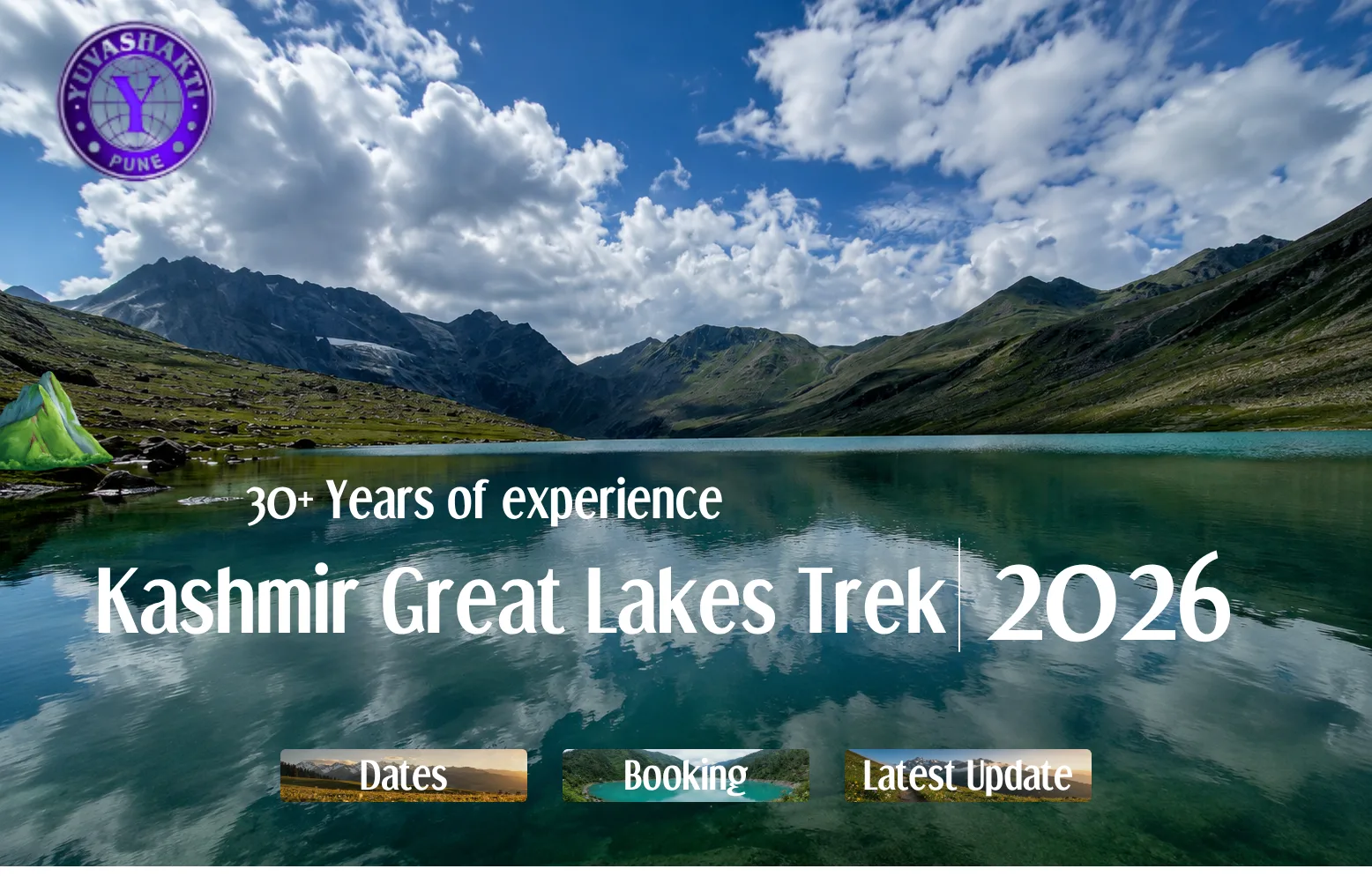
Here’s the truth about Himalayan treks: the mountains don’t bend to your vacation days. Show up too early, and you’re fighting knee-deep snow. Show up too late, and you’re racing early winter storms. That’s why figuring out the best time to visit the Kashmir Great Lakes trek isn’t just a planning step it’s the whole foundation of a safe, enjoyable journey. At Yuvashakti, we’ve watched batches thrive when they align with the trail’s natural rhythm, and we’ve seen trips unravel when they don’t. Let’s drop the guesswork and look at what the route actually demands.
The Real Trekking Window: July to Mid-September
The trail only plays nice when winter snow finally backs off Gadsar Pass. That usually happens by early July. From then until mid-September, daytime temps sit between 12°C and 20°C. Nights still drop below freezing, so your sleeping bag isn’t optional. We schedule every Yuvashakti batch inside this window. Step outside it, and you’re trading scenic lakes for unnecessary risk.
What Each Month Actually Feels Like
- July: The valleys wake up. Wildflowers explode, and leftover snow patches add drama without blocking the path. Perfect if you’re building high-altitude confidence.
- August: Peak stability. Clear skies, mirror lakes, and dry trails. Our busiest month. If you want a spot, book early. Seriously.
- September: Crisp air, thinner crowds, and golden birch trees. Stick to the first two weeks. After that, mountain weather gets moody.
Weather, Trail Conditions & What You’ll Actually Face
Kashmir doesn’t get hammered by monsoons like the coast, but afternoon clouds still roll in above 11,000 feet. Trails change daily. Glacial streams swell. Rocks shift. Slush appears near melt zones. We always tell our trekkers to check local forecasts 48 hours out and pack for rapid shifts. The mountains don’t follow itineraries.
Common Challenges (And How We Handle Them)
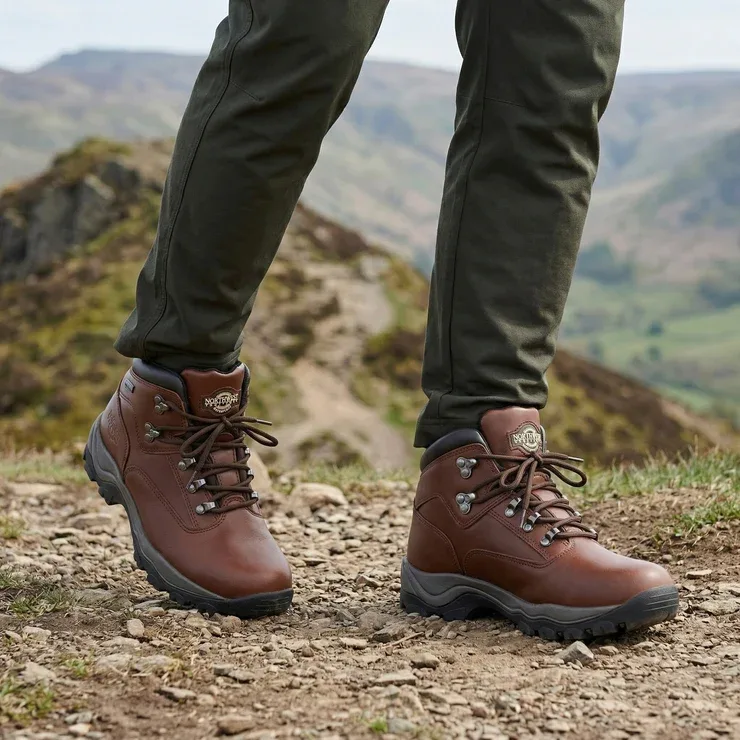
- Sudden weather flips: Layer smart. Skip cotton. It stays wet and steals heat. We stick to synthetic or merino base layers plus a reliable rain shell.
- Altitude fatigue: You’ll cross 13,000 feet. Rushing invites headaches and nausea. Our batches take a full acclimatization day in Sonamarg, keep a conversational pace, and hydrate like it’s part of the job.
- Fading trail markers: Around Gadsar and Zajibal, the path gets vague. Every Yuvashakti group moves with certified local guides and carries offline GPS maps. No guessing.
Who Should Go When (Real Batch Examples)
Solo trekkers usually join our August departures. More foot traffic means shared camp resources and easier navigation. Photography groups lean toward early July. The morning light hits those wildflower valleys perfectly. If you’re tagging on a Srinagar stop, September lines up with cooler city weather and active local markets. One thing we always remind folks: pack a lightweight power bank. Solar chargers work great above the tree line, but mountain clouds don’t always cooperate.
How to Lock Your Spot Without the Stress
Ready to stop planning and actually go? Securing your batch is straightforward. Visit our Narayan Peth office in Pune, grab a form, and drop a ₹10,000 non-refundable deposit. Your spot’s locked. Pay the balance a month before departure. Can’t make it to Pune? Download the form from our site, send it with a demand draft, or transfer directly to our IDBI account. We’ve also got branch coordinators across major cities who’ll issue a temporary receipt while Pune couriers the official one. No runaround. Just clear steps.
Final Thoughts Before You Pack
The Kashmir Great Lakes trek doesn’t forgive rushed planning, but it rewards patience like few other Himalayan routes. Stick to July through mid-September, respect the altitude, and pack for weather that changes by the hour. Do that, and you’ll trade guesswork for glacier-fed views that stick with you long after the boots come off. Check our upcoming batch dates, grab your form, and let’s get you on the trail.
FAQs
Q: Can I trek KGL in June or October?
A: We don’t run batches then. June holds heavy snow on the high passes, and October brings early winter storms with sub-zero nights. Both demand technical gear and expedition-level experience.
Q: Does the monsoon ruin the trek?
A: Kashmir’s summer rain is lighter than mainland India, but July and August still see quick afternoon showers. Quick-dry layers and flexible daily pacing keep you comfortable.
Q: Is this trek okay for first-timers?
A: It’s moderate to difficult. You’ll need solid cardio, prior high-altitude exposure, and proper acclimatization. We review fitness during registration to keep the whole group safe.