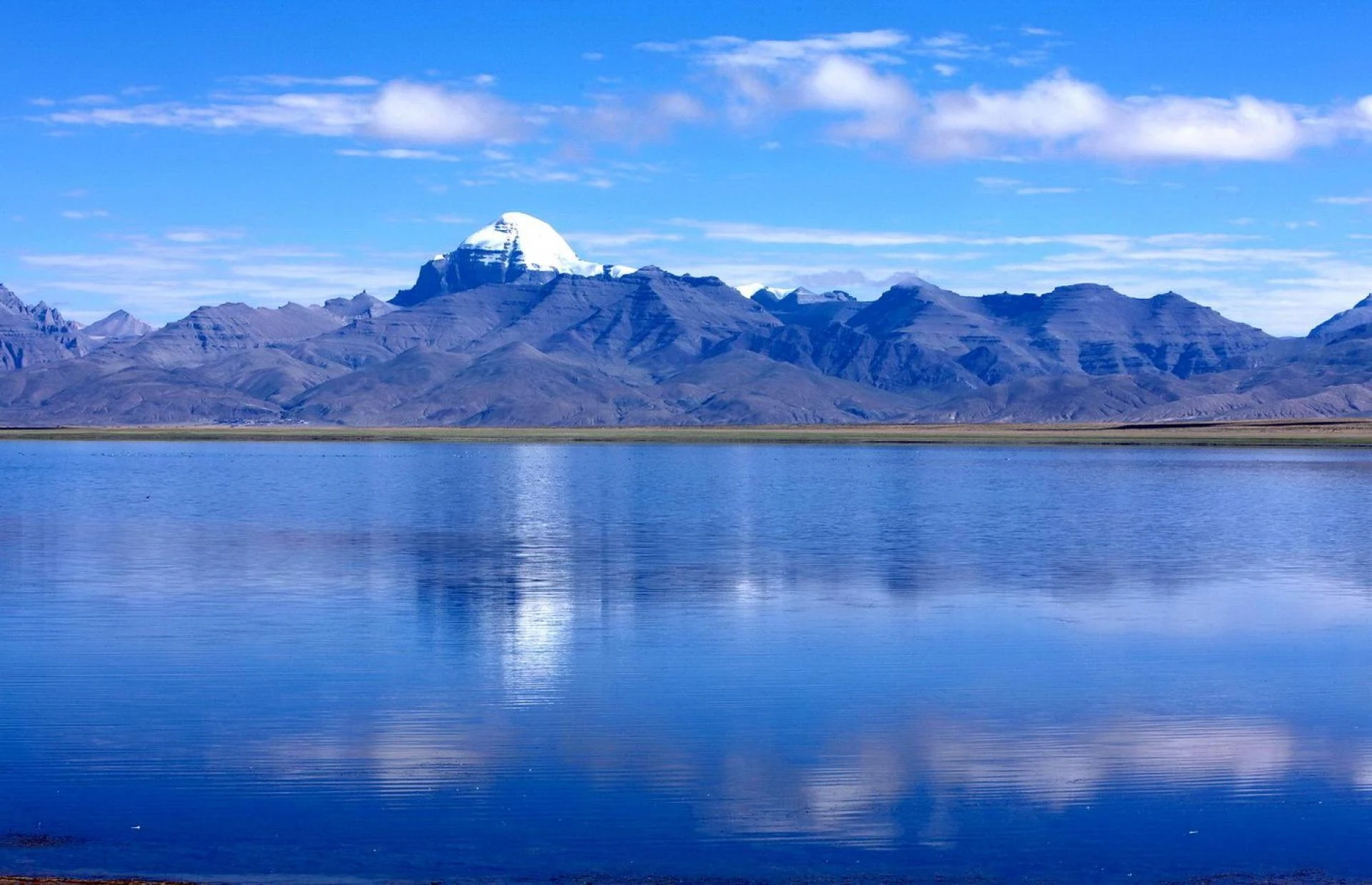
Embarking on the Kailash Mansarovar Yatra isn’t just a trek—it's a profound spiritual journey wrapped in centuries of devotion, mystery, and awe. Nestled in the remote reaches of the Tibetan Autonomous Region of China, Mount Kailash and the Mansarovar Lake are revered by multiple religions and attract pilgrims from all over the world who are drawn to the region’s spiritual magnetism.
Let’s dive into the essence of this sacred pilgrimage—what it means, what to expect, and why it continues to be a dream for many spiritual seekers.
What Makes Mount Kailash So Special?
Standing tall at 6,638 meters (21,778 feet), Mount Kailash is no ordinary peak. It’s considered the abode of Lord Shiva by Hindus. Buddhists believe it to be the home of Demchok, a wrathful manifestation of Buddha. For Jains, it's where their first Tirthankara, Rishabhadeva, attained liberation. And the Bon religion views it as the spiritual center of the universe.
Interestingly, despite its allure, no one has ever climbed Mount Kailash—and it’s not due to lack of trying. Climbers who approached it in the past have abandoned their attempts out of respect or after facing inexplicable obstacles. In fact, China has banned climbing the mountain, respecting its religious significance.
The Enchanting Mansarovar Lake
Just 20 km from Kailash lies the Mansarovar Lake, one of the highest freshwater lakes in the world. This serene, turquoise-blue lake sits at an altitude of 4,590 meters (15,060 feet) and is believed to have been created by Brahma, the creator god in Hinduism.
Pilgrims take a dip in its icy waters, believing it purifies the soul and washes away sins of a lifetime. Even walking around the lake is considered spiritually rewarding.
The Yatra: Not Just a Trip, but a Transformation
The Kailash Mansarovar Yatra is a physically and emotionally intense pilgrimage. It’s not for the faint-hearted, but those who undertake it often describe it as life-changing.
There are two main ways to undertake the journey:
1. By Road via Lipulekh Pass (Uttarakhand, India)
This route is organized by the Indian Ministry of External Affairs and includes a road journey followed by a challenging trek across the high-altitude Lipulekh Pass (16,780 ft). It typically takes around 24 days.
2. Via Nepal (Helicopter + Road Trek)
This more accessible option involves flying from Kathmandu to Nepalgunj and then to Simikot, followed by a helicopter ride and road trip to the Tibetan border. From there, travelers complete the journey to Kailash by vehicle, with the parikrama (circumambulation) done on foot.
The Holy Parikrama
One of the most sacred parts of the yatra is the Kailash Parikrama, a 52-km trek around Mount Kailash. The walk itself, usually completed over 3 days, is a test of endurance and faith. The highest point, Dolma La Pass, stands at a breath-stealing 5,630 meters (18,471 feet).
Each step is filled with chants, prayers, and sometimes, silent awe. You’ll see pilgrims prostrating themselves full-body along the route—a practice that can take weeks to complete but is considered the highest form of devotion.
Challenges of the Journey
Let’s be honest—this isn’t your average mountain getaway. The altitude is high, oxygen is low, and facilities are basic at best. Here’s what you need to be prepared for:
- Altitude sickness is real and can hit anyone, regardless of fitness level.
- The weather can change in a blink—sunny skies can quickly turn into snowstorms.
- Basic amenities—expect no frills. Accommodations are usually shared tents or guesthouses with limited electricity and water.
- Permits and logistics can be complex, especially since the region falls under strict Chinese regulation.
But those who endure these hardships often come back with a sense of peace, clarity, and a deeper connection to the divine.
What to Pack and Prepare?
- Fitness training: Start preparing months in advance with cardio, hiking, and breathing exercises.
- Clothing: Think layers. It gets freezing, especially at night.
- Essentials: Good trekking shoes, a sturdy backpack, high-SPF sunscreen, basic medication, and altitude sickness tablets.
- Spiritual items: Prayer beads, holy books, or any personal items that help you meditate or reflect.
Final Thoughts: Why Do People Go?
For some, it’s about religion. For others, it’s a quest for meaning or a personal challenge. Regardless of the reason, the Kailash Mansarovar Yatra seems to touch a part of the human soul that’s beyond words.
It strips you down—of comfort, ego, and noise—and offers something rare in return: silence, reflection, and a sense of the eternal.
If you ever feel called to it, trust that call. Kailash isn’t just a destination—it’s a journey to the core of who you are.