
There are books that entertain. There are books that inform. And then, there are books that offer you a mirror. A moment of pause. A sense of being seen.
Trapped in Overthinking: Break Free with Self Love, written by Jyotika Mehta Bedi, is one such book. It speaks softly but directly to anyone who has ever felt overwhelmed by their own thoughts. It offers not solutions, but space. It invites the reader not to fix everything, but to begin by simply sitting with themselves.
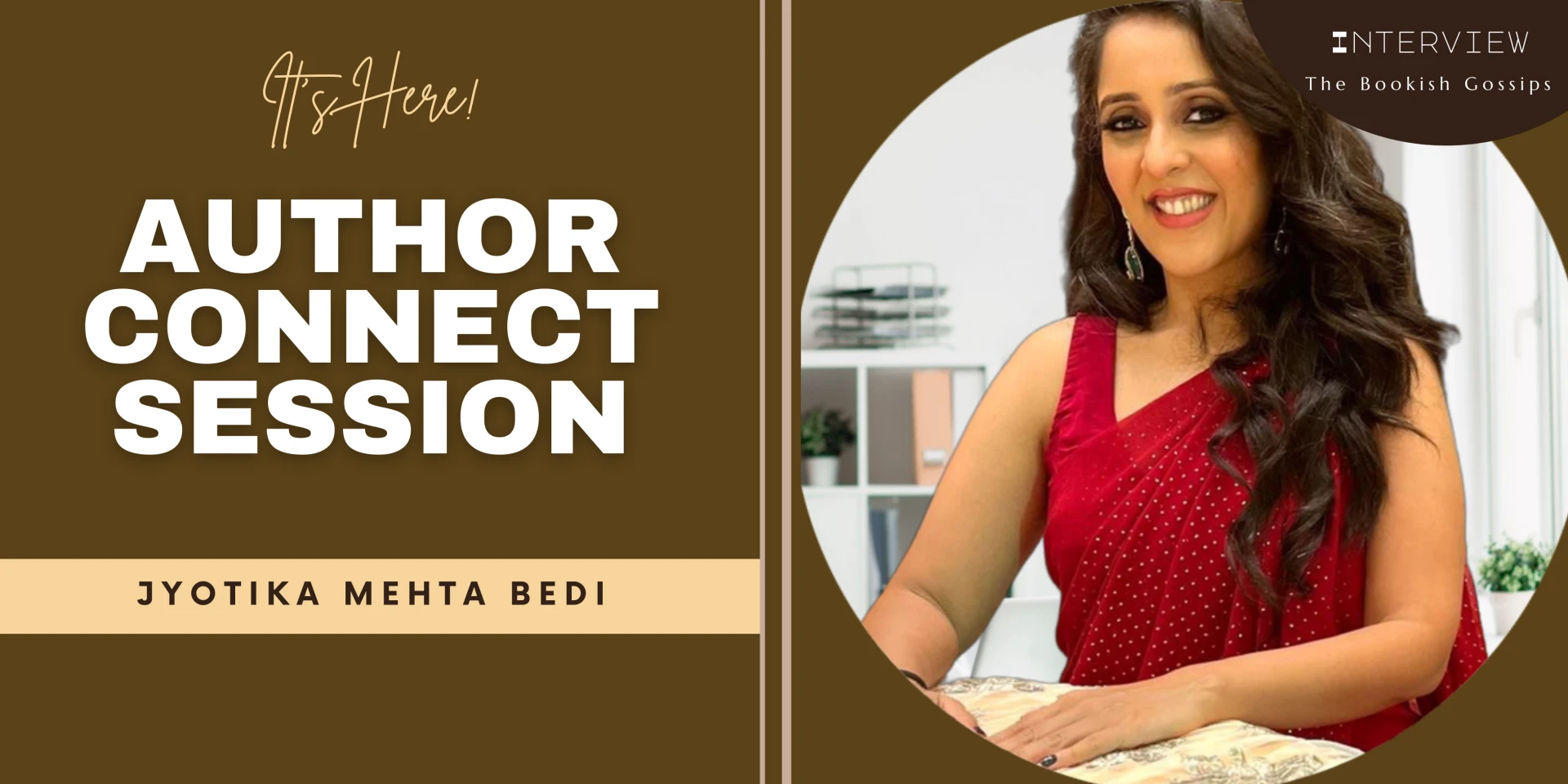
In this deeply moving conversation with Unnati Shahi for The Bookish Gossips, Jyotika shares what it meant to write through pain, how overthinking shaped her voice, and why she believes that real healing starts with honesty.
A Beginning Rooted in Silence
Many writers are born from creativity. Jyotika’s writing was born from quiet suffering. She describes her early experience with overthinking as feeling mentally suffocated. The only outlet that brought her peace was writing. It became her form of clarity. Her survival tool.
“I never planned to be an author,” she shares. “I began writing to cope. But when someone told me my words made them feel less alone, that’s when I realized there was purpose in my pain.”
This moment marked the shift. What was once a private journal of survival began transforming into something meant to be shared.
Evolving from Hiding to Honesty
When Jyotika first began expressing herself through words, her voice carried layers of protection. She wrote carefully, using poetic language and carefully constructed lines. But over time, she began to trust something else. Her truth.
“Earlier, I used to hide behind the structure. Now I write to be felt,” she says.
Her writing style changed with her healing. As she grew softer with herself, her voice followed. It became less polished, more vulnerable. Her goal became connection, not perfection.
The Core Themes That Keep Calling Her Back
Some ideas are so deeply woven into our personal story that we return to them again and again. For Jyotika, three concepts keep surfacing in her work: overthinking, self-love, and emotional freedom.
“I believe healing begins the moment we stop being harsh with ourselves,” she reflects.
In every piece she writes, she tries to reinforce this message. That the relationship we have with our mind shapes how we show up in the world. And that freedom is not found in escape, but in acceptance.
Why This Book Means Everything
While she may go on to write more in the future, Trapped in Overthinking will always hold a unique place in Jyotika’s journey. Because this book is her life. Her lessons. Her process.
“It is not a book of advice. It is a reflection,” she says.
The content is not theoretical. It is grounded in lived experience. Which is why the book feels less like reading and more like being in conversation with a friend who understands what it means to be stuck in your own head.
Her Writing Process: Flow Over Formula
For Jyotika, writing is not a formula to follow. It is a feeling to follow.
“I do not sit with a plan. I sit with presence,” she says.
Some days she writes paragraphs. Some days just a sentence. But she does not force the words. She lets them come. Whether it is a flood or a drop, she accepts it with equal respect.
This patient and gentle rhythm reflects the very lessons she teaches within her book.
Real Life as Her Greatest Source
Jyotika’s stories are not imagined. They are remembered. They are felt. They are shaped by her life and the lives of those around her.
“I write what I have lived,” she shares. “I write what I have seen in others when they thought no one was watching.”
She believes that the more we embrace what is real, the more others can see themselves in our words. Her writing is not about creating distance. It is about creating bridges.
What She Discovered About Herself
Writing a book did not just help Jyotika share her story. It helped her understand it.
“I learned that I am not just strong. I am soft. And both are sacred,” she says.
She began the process thinking she had to be wise. She finished the book knowing she simply had to be honest. That shift became her greatest discovery. That vulnerability is not weakness. It is power in its purest form.
Behind the Page: The Reality of Authorship
Being an author often looks exciting from the outside. But behind the scenes, the process is deeply personal and often isolating. Jyotika shares that the hardest part of being a writer is not the writing itself. It is the emotional exposure.
“Writing a book means living your wounds again,” she explains. “But it also means giving someone else the chance to heal theirs.”
She does not write for applause. She writes to serve. And that purpose keeps her grounded.
The Quiet Revolution of Self Love
As Jyotika’s book continues to resonate with readers, she remains committed to her core message. That self-love is not a luxury. It is a necessity. And it begins not with affirmations, but with awareness.
Healing is not a quick fix. It is a gentle unlearning. A patient remembering. A choice we make again and again to meet ourselves where we are, even when we wish we were somewhere else.
And through her words, Jyotika Mehta Bedi has given us something more than a book. She has given us a soft place to land.