Introduction
In today’s fast-paced embroidery world, time is money—and quality is everything. Whether you're running a small embroidery business or working on a personal project, turning a JPG logo into a PES embroidery file quickly and accurately is essential. But how exactly does a simple image become a flawless stitched design?
If you’re looking for a fast, reliable, and professional way to convert JPG to PES, you’re in the right place. In this guide, we’ll walk you through the process, the tools you need, and how services like Absolute Digitizing make the transformation smooth, affordable, and top-notch.
What Is a PES File?
Let’s start with the basics.
A PES file is a proprietary embroidery file format used by Brother and Babylock embroidery machines. It contains digitized instructions for stitching your design—everything from thread color changes to stitch types and coordinates.
You can’t just upload a regular image like a JPG or PNG to your embroidery machine and expect magic. The image must be digitized first and converted into a PES file.
That’s where the real magic of embroidery digitizing comes in.
Why You Can’t Embroider a JPG File Directly
A JPG file is a flat image basically a collection of pixels. It holds no information about stitches, threads, or embroidery sequencing.
Embroidery machines need specific data:
- Stitch paths
- Stitch density
- Color stops
- Thread layers
- Start/stop positions
None of that is found in a JPG. To stitch a logo, the image must be digitized into a PES file, which your Brother machine can read and follow, step by step.
What Is Embroidery Digitizing?
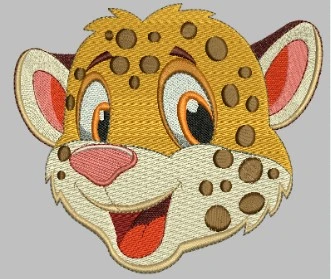
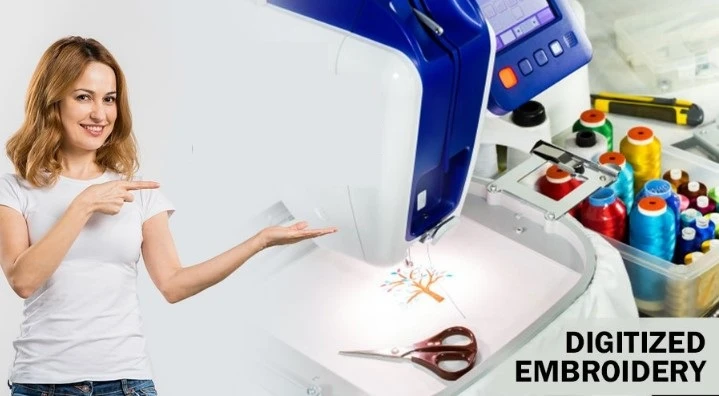
Embroidery digitizing is the process of converting any artwork (like a JPG logo) into an embroidery machine-readable file like PES, DST, JEF, and others.
This process includes:
- Mapping out every stitch
- Choosing stitch types (satin, fill, run, etc.)
- Adjusting for fabric type and size
- Optimizing stitch direction for clean outlines
- Setting up thread color charts
Think of it as building a detailed blueprint for your embroidery machine to follow. Without a good digitized file, your final stitched result could look sloppy or totally unrecognizable.
How to Convert JPG to PES (The Right Way)
Let’s go over how to get from a JPG logo to a crisp, clean PES file—the professional way.
Step 1: Prepare the Artwork
Start with a high-resolution image. If your JPG is blurry or pixelated, it will be harder to digitize cleanly. Logos with bold lines and simple shapes are easiest, but even complex designs can be digitized with the right skill.
Step 2: Choose a Professional Digitizing Service
While some software offers auto-digitizing, it often produces subpar results—especially for logos and detailed artwork. The better approach? Hire a manual digitizing expert who understands stitch behavior and fabric interaction.
Our top recommendation is Absolute Digitizing. They offer affordable, professional digitizing with fast turnaround.
Step 3: Specify Size, Format & Fabric
When ordering your digitized file, share:
- Desired dimensions
- Fabric type (hats, tees, hoodies, etc.)
- Final file format (in this case, PES)
The more details you provide, the more accurate the stitch file will be.
Step 4: Receive Your PES File
In most cases, Digitizing Buddy will deliver your completed file in 12–24 hours. You’ll also receive a thread chart and preview of the design.
Step 5: Load into Your Embroidery Machine
Use a USB stick or direct connection to load the PES file into your Brother or Babylock machine, and start stitching!
Why Choose Digitizing Buddy?
When you're converting a JPG to PES, quality matters. And when speed and reliability are part of the deal, you need a team you can count on.
Here’s why Absolute Digitizing stands out:
- Manual Digitizing by Experts
- Every stitch is manually placed by professional digitizers—not software bots.
- Fast Turnaround (12–24 hours)
- No waiting days—your PES file is ready when you need it.
- Flat-Rate Pricing
- Transparent, affordable rates. No hidden fees for extra complexity.
- Multiple File Formats
- Need DST, JEF, VP3, or EXP too? They’ve got you covered.
- Free Edits Until You’re Happy
- Want to resize or tweak a stitch? No problem. They’ll make it right.
- 🇺🇸 US-Based Service with Worldwide Delivery
Common Projects That Require PES Files
Here are just a few ideas for when you’d need to convert JPG to PES:
Custom School Logos
Perfect for uniforms, sports gear, and club apparel.
Hats for Your Brand
Digitized logos make your brand pop on caps and beanies.
Branded Merchandise
T-shirts, jackets, aprons—you name it, embroidery adds value.
Personalized Gifts
Monograms and names make gifts extra special (think towels, baby clothes, robes).
Etsy & Custom Orders
If you sell custom embroidery, clean PES files make production smooth and professional.
Benefits of PES File Conversion
So what’s in it for you when you convert your JPG to a high-quality PES file?
- Clean, professional embroidery output
- Accurate stitch placement and density
- Compatible with Brother & Babylock machines
- Saves time and avoids mistakes
- Scales perfectly without distortion
When you work with the right team, you’ll spend less time troubleshooting and more time creating beautiful products.
Auto Digitizing vs. Professional Digitizing: What’s the Difference?
You may be tempted to use software that automatically converts JPGs to PES files. But beware: auto-digitizing often leads to poor stitch-outs.
Feature
Auto Digitizing
Professional Digitizing
Quality
Often low
High and reliable
Fabric adjustment
None
Yes
Stitch density control
Limited
Fully adjustable
Support
None
Real humans to help
If your logo matters, go with a pro.
Final Thoughts
Turning a JPG into a PES file might sound technical, but it doesn’t have to be a headache. With the right digitizing partner, you can transform any logo or image into a stitch file that’s ready to roll on your embroidery machine—in just minutes.
From hats to hoodies, business uniforms to custom gifts, a great PES file sets the foundation for flawless embroidery.