Nestled among billion-year-old granite formations and tranquil waterways, Jawai stands apart from conventional wildlife sanctuaries. Located in the Pali district of Rajasthan, this untamed expanse is shaped by the Jawai Bandh, one of the largest reservoirs in western India. Unlike fenced national parks with rigid track routes, the terrain here offers raw granite hills, sandy scrublands, and rural pastoral settlements. It is an ancient ecosystem where nature, wildlife, and indigenous communities have achieved a rare, sustainable balance.
The Coexistence of Man and Predator
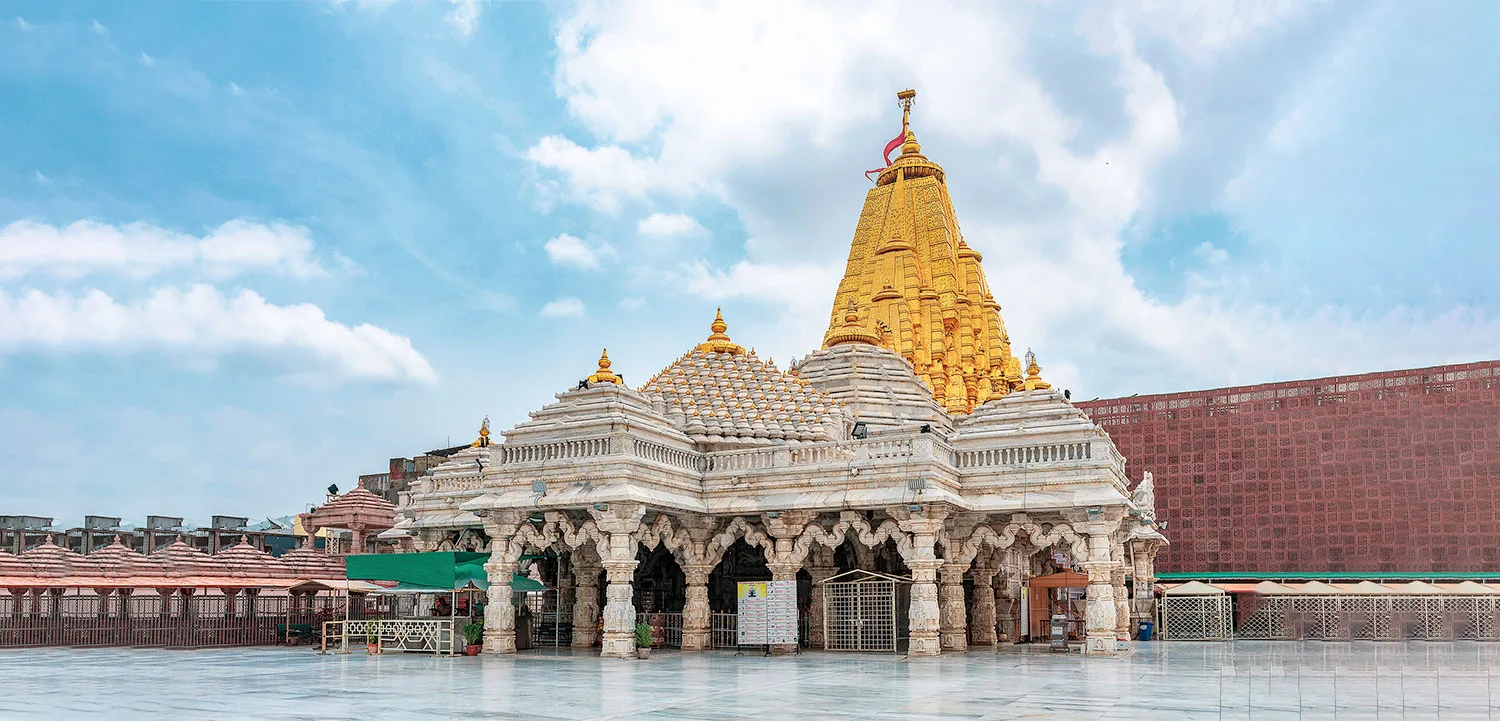
The defining feature of the Jawai landscape is the peaceful relationship between the local Rabari pastoralists and the resident leopard population. The Rabari community has inhabited these scrub forests for centuries, tending herds of cattle, sheep, and goats while dressed in their distinctive red turbans and white attire. Their spiritual beliefs, deeply rooted in reverence for the Mother Goddess Ambe Mata, instill an innate respect for apex predators.
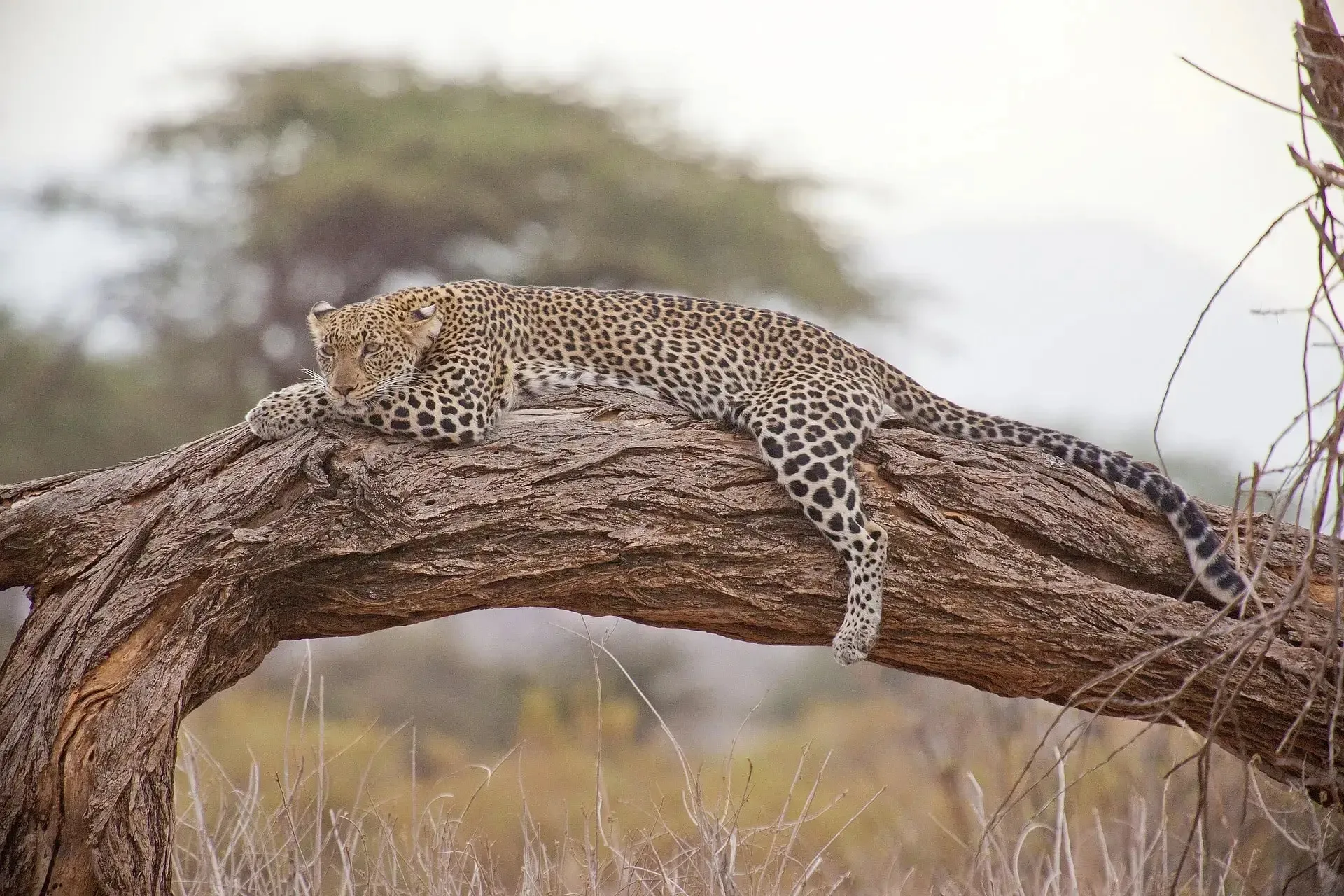
Because of this protective pastoral ethos, retaliatory hunting is virtually unheard of in Jawai. Leopards roam freely among temple steps, cave entrances, and village perimeters without fear of human persecution. Observing this level of mutual tolerance provides visitors with a profound understanding of traditional conservation practices that function entirely without artificial barriers.
Exploring the Granite Wilderness
The terrain surrounding the reservoir consists of weather-worn volcanic rock hills, known locally as kopjes or granite dykes. These geological formations provide natural caverns, shade, and elevated vantage points for hunting. Tracking big cats across these boulders requires local expertise, seasoned trackers, and specialized 4x4 vehicles built to negotiate steep granite inclines safely.
Choosing an authentic Jawai safari resort allows travelers to step directly from tranquil comfort into raw wilderness, pairing knowledgeable naturalists with ethical, non-intrusive wildlife viewing. During dawn and dusk excursions, vehicle engines are cut, allowing visitors to scan the rocks where leopards bask on sun-warmed stone surfaces against the backdrop of an open desert horizon.
Avian Sanctuaries Around Jawai Dam
While the big cats dominate regional attention, the wetlands created by the Jawai Dam host an equally impressive avian biosphere. Fed by the Sukri River, the waters support thousands of migratory birds between October and March.
- Migratory Waterfowl: Large flocks of bar-headed geese, greylag geese, common cranes, and demoiselle cranes arrive from Central Asia and Siberia to feed along the shallows.
- Wading Birds and Raptors: Resident species include greater flamingos, painted storks, spoonbills, spot-billed pelicans, and osprey scanning open water for prey.
- Mugger Crocodiles: The sun-drenched sandbanks along the lake edge serve as basking grounds for large marsh crocodiles, which share the shoreline peacefully with visiting birds.
Immersion in Pastoral Heritage
A visit to the Jawai landscape extends far beyond wildlife tracking into the daily life of pastoral hamlets. Walking through nearby villages reveals an unhurried, pastoral lifestyle that has preserved age-old traditions of animal husbandry, pottery, and desert cuisine.
Curated options for Jawai leopard safari & experiences enable guests to engage in guided village walks, sit with Rabari elders for conversations over spiced chai, and witness traditional livestock herding firsthand. These encounters offer cultural context that enriches wildlife sightings, transforming standard tourism into an appreciation of living heritage.
Field Guidelines and Safari Ethics
Responsible travel in an open-range environment requires strict adherence to field ethics to ensure that local ecosystems and community routines remain undisturbed.
- Maintain Distance: Ensure safari vehicles remain at an unobtrusive distance from active leopard dens, allowing wildlife full freedom of movement across rocks.
- Minimize Acoustic Disruption: Keep voice volume low during sightings and avoid playing music or using horn signals anywhere near rock shelters or pastoral trails.
- Respect Village Privacy: Seek permission before photographing local residents, religious shrines, or domestic livestock enclosures.
- Stay on Designated Tracks: Avoid reckless off-roading across fragile scrub ground and seasonal farmland to protect indigenous plant roots and topsoil.
Essential Practicalities for Travelers
Planning a visit to Jawai requires practical preparation tailored to seasonal variations. The ideal window for travel runs from October to April, when pleasant winter daytime temperatures create comfortable conditions for morning and evening game drives. Mid-winter nights can be surprisingly brisk, requiring warm layered clothing for open-top safari vehicles.
Access to the region is straightforward via road and rail. The nearest domestic airports are located in Udaipur and Jodhpur, both approximately a two-and-a-half to three-hour drive away. Well-connected railway junctions at Jawai Bandh and Falna provide direct train links to major hubs like Jaipur, Ahmedabad, and Delhi. Arriving with an open mindset and an appreciation for patience rewards travelers with an encounter with wild India in its most unfiltered form.