Nestled along the rugged granite formations of the Aravalli range in southern Rajasthan lies Jawai, an untamed landscape where wildlife and pastoral heritage coexist in rare harmony. Unlike heavily fortified national parks divided into rigid core and buffer zones, the open terrain of Jawai allows apex predators to roam freely across ancient boulder hills and the sweeping wetlands of the Jawai Dam. Planning a trip to this wild terrain requires an understanding of the region's wilderness logistics, seasonal behavior, and expedition expenses. Choosing a tailored stay at a luxury resort in Jawai ensures travelers experience raw nature without sacrificing personalized comfort, professional field guiding, or elevated hospitality.
The Jawai Wilderness Experience
Jawai offers a distinctive wildlife safari model built on coexistence rather than confinement. The resident leopards live alongside the semi-nomadic Rabari pastoral community, using the cave networks of granite monoliths for shelter. Early dawn and late dusk drives take guests across riverbeds, sand trails, and scrub forests in custom 4x4 open safari vehicles. Aside from the big cats, the ecosystem supports striped hyenas, sloth bears, Indian wolves, nilgai, marsh crocodiles basking along reservoir shores, and over 150 species of resident and migratory avifauna, including demoiselle cranes and flamingos. The sheer absence of packed commercial safari queues delivers an intimate, unhurried wilderness encounter where trackers rely on genuine bushcraft and territory knowledge rather than radio chatter.
Accommodations and Stay Styles
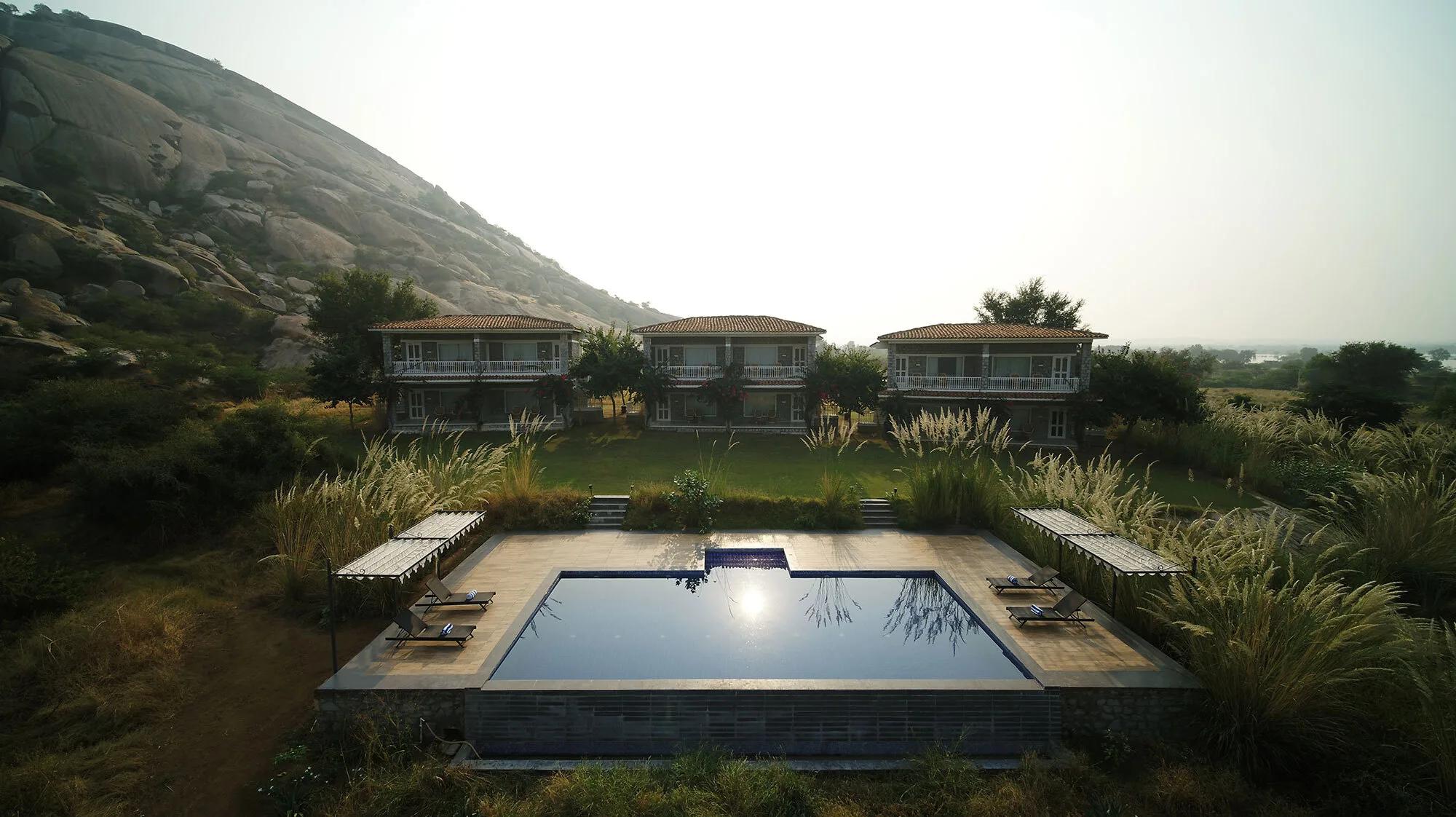
Properties across the valley range from tented glamping camps to boutique sanctuaries tailored to photographers, conservationists, and luxury travelers. Finding the best accommodation in Jawai centers on securing prime proximity to the water bodies while guaranteeing spacious, climate-controlled living quarters, modern en-suite amenities, and panoramic views of the hills. High-end suites and vantage rooms overlooking the dam backwaters provide direct line-of-sight across granite ridges where wildlife occasionally roams during low-light hours. Premium properties feature multi-course regional Mewari and Marwari dining, tranquil outdoor plunge pools, open terraces for stargazing, and private sit-out areas designed to immerse visitors in the natural surroundings.
Breakdown of Safari and Accommodation Costs
Budgeting for a Jawai getaway depends on accommodation tier, expedition frequency, and vehicle privacy preferences:
- Boutique and Luxury Stay: Premium resorts generally cost between ₹12,000 and ₹35,000 per room per night, typically including breakfast, gourmet dinners, and heritage hospitality services.
- Ultra-Luxury Luxury Lodges: High-end international luxury tented camps command between ₹50,000 and ₹1,20,000 per night on an all-inclusive basis.
- Safari Expedition Drives: A private 4x4 open jeep safari driven by an expert tracker runs between ₹4,500 and ₹7,500 per drive, accommodating up to 5 or 6 travelers. Shared safaris, when available, generally cost between ₹1,500 and ₹2,500 per person.
- Incidental and Village Tours: Cultural excursions with Rabari settlements, guided birdwatching trails along Jawai Dam, and private bush dining experiences add ₹2,000 to ₹6,000 depending on group size and customization.
Booking an all-inclusive 2-night, 3-day itinerary through a dedicated property often bundles morning and evening drives with room reservations, streamlining your transport and safari permits while securing notable savings.
Mastering the Leopard Trails
A well-coordinated Jawai leopard safari maximizes visual encounters by leveraging local tracking knowledge and prime drive timings. Game drives occur twice daily: the morning excursion commences between 5:30 AM and 6:00 AM as temperatures remain crisp, while the late afternoon drive sets out around 4:00 PM, concluding past sundown to monitor nocturnal predator activity. Experienced naturalists read track prints in the sandy river corridors, listen for langur alarm calls, and survey sun-warmed rocky crests where big cats habitually bask. Respecting park etiquette, maintaining quiet in the presence of animals, and keeping camera shutter noises unobtrusive safeguard both animal welfare and visitor safety.
Best Time to Visit and Travel Tips
Plan your expedition around seasonal visibility and comfort to capture the valley at its peak:
- October to March: The winter months bring crisp mornings, warm sunny afternoons, and the arrival of thousands of migratory birds around the dam waters. It represents the peak travel window for photography and extended game drives.
- April to June: The pre-monsoon summer features dry terrain and sparse vegetation, leading animals to concentrate near remaining water sources and significantly increasing leopard spotting frequency along low boulders.
- July to September: The monsoon transforms the arid landscape into a vibrant green expanse, perfect for landscape enthusiasts, though tracking through muddy terrain requires skilled local drivers.
For arrival logistics, Jawai is accessible via the Jawai Bandh and Falna railway stations, or via road from Udaipur Airport (roughly 2.5 to 3 hours drive) and Jodhpur Airport (approximately 3 to 3.5 hours drive). Secure your reservations several weeks in advance, especially during the busy winter holiday season, to ensure private vehicle availability and preferred room views across the water.