Japan is home to remarkable landmarks and UNESCO World Heritage Sites that reflect its history, cultural traditions, architectural achievements, natural beauty, and spiritual heritage. These destinations attract visitors interested in historic buildings, temples, castles, scenic landscapes, traditional communities, and important cultural locations. Exploring heritage sites can provide a deeper understanding of Japan and its regional identity.
Travelers arranging a ทัวร์ญี่ปุ่น can include famous landmarks and heritage destinations as part of a cultural sightseeing itinerary. Japan offers a variety of recognized sites throughout the country, allowing visitors to discover historic cities, sacred locations, traditional architecture, and natural landscapes.
Himeji Castle
Himeji Castle is one of Japan's most celebrated historic landmarks. It is known for its impressive white exterior, distinctive architecture, defensive structures, and historical significance. The castle's appearance and surrounding grounds make it an attractive destination for sightseeing and photography.
Visitors can explore the castle complex, enjoy views of its architecture, and learn about the historical role of Japanese castles. The site demonstrates the combination of defensive design and architectural craftsmanship that made castles important parts of Japan's history.
Historic Monuments of Ancient Kyoto
Kyoto is home to many important historic monuments associated with Japanese cultural heritage. Its temples, shrines, gardens, and traditional architecture provide opportunities to explore centuries of history and artistic development.
Visitors can discover famous landmarks, including historic temple complexes and cultural sites. Kyoto's heritage attractions are particularly appealing to travelers interested in architecture, religious traditions, gardens, and preserved neighborhoods.
Historic Monuments of Ancient Nara
Nara is another destination known for its cultural and historical landmarks. The city's historic temples, shrines, gardens, and architecture reflect its importance during an early period of Japanese history.
Visitors can explore major cultural attractions and enjoy the surrounding landscape. Nara offers a combination of historical sightseeing, nature, and opportunities to learn about Japanese heritage.
Hiroshima's Peace Memorial
Hiroshima's Peace Memorial is an important historic location associated with the events of 1945 and the message of peace. The memorial area provides opportunities for reflection and learning about the impact of the atomic bombing and the importance of peace.
Visitors can explore the surrounding park and museum facilities, where information and displays provide historical context. The experience is meaningful for travelers interested in history and understanding the city's continuing message.
Mount Fuji
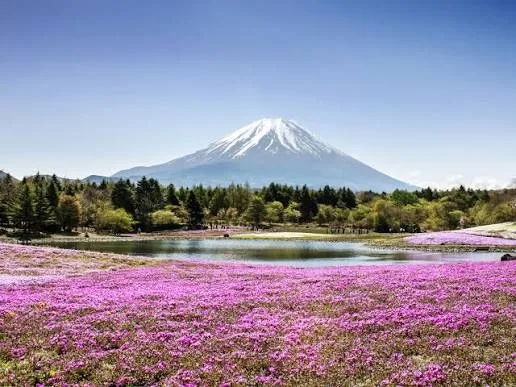
Mount Fuji is one of Japan's most famous landmarks and a significant cultural symbol. Its distinctive shape, scenic surroundings, and cultural importance make it a popular destination for travelers.
Visitors can enjoy views from surrounding lakes, scenic viewpoints, and nearby attractions. The mountain's landscape changes throughout the year, providing different experiences during spring, summer, autumn, and winter.
Shirakawa-go and Traditional Villages
Traditional villages such as Shirakawa-go offer opportunities to explore distinctive historic architecture and rural landscapes. The region is known for traditional houses with steeply sloped roofs designed to accommodate local conditions.
Visitors can walk through village areas, explore selected historic buildings, and enjoy seasonal scenery. These destinations provide insight into rural lifestyles and regional architectural traditions.
Sacred Sites and Pilgrimage Landscapes
Japan features sacred locations and pilgrimage routes associated with religious traditions, history, and natural landscapes. Visitors can explore shrines, temples, sacred pathways, and scenic areas that reflect cultural and spiritual heritage.
These locations may involve walking, stairs, or extended outdoor routes. Travelers should follow local guidance, respect religious practices, and prepare appropriately for the environment.
Understanding UNESCO Heritage Recognition
UNESCO World Heritage recognition identifies sites considered to have outstanding cultural or natural significance. Japan's heritage destinations include cultural landmarks and natural environments that reflect different aspects of its history and geography.
Visitors can learn about the significance of these sites through informational displays, museums, guided tours, and official visitor resources. Understanding the background of a destination can make sightseeing more meaningful.
Planning Heritage Sightseeing
Heritage sites may have specific opening hours, entrance arrangements, photography restrictions, and visitor guidelines. Travelers should check information before visiting and allow enough time to explore.
Grouping nearby attractions together can help reduce transportation time. Comfortable shoes and suitable clothing are useful because many heritage locations involve walking through large grounds or historic areas.
Conclusion
Japan's famous landmarks and UNESCO heritage destinations provide opportunities to explore history, architecture, spirituality, cultural traditions, and natural beauty. Himeji Castle, Kyoto, Nara, Hiroshima, Mount Fuji, and traditional villages offer different experiences that enrich a vacation. Including heritage sites in an itinerary helps travelers appreciate Japan's history and cultural significance while enjoying memorable sightseeing.