
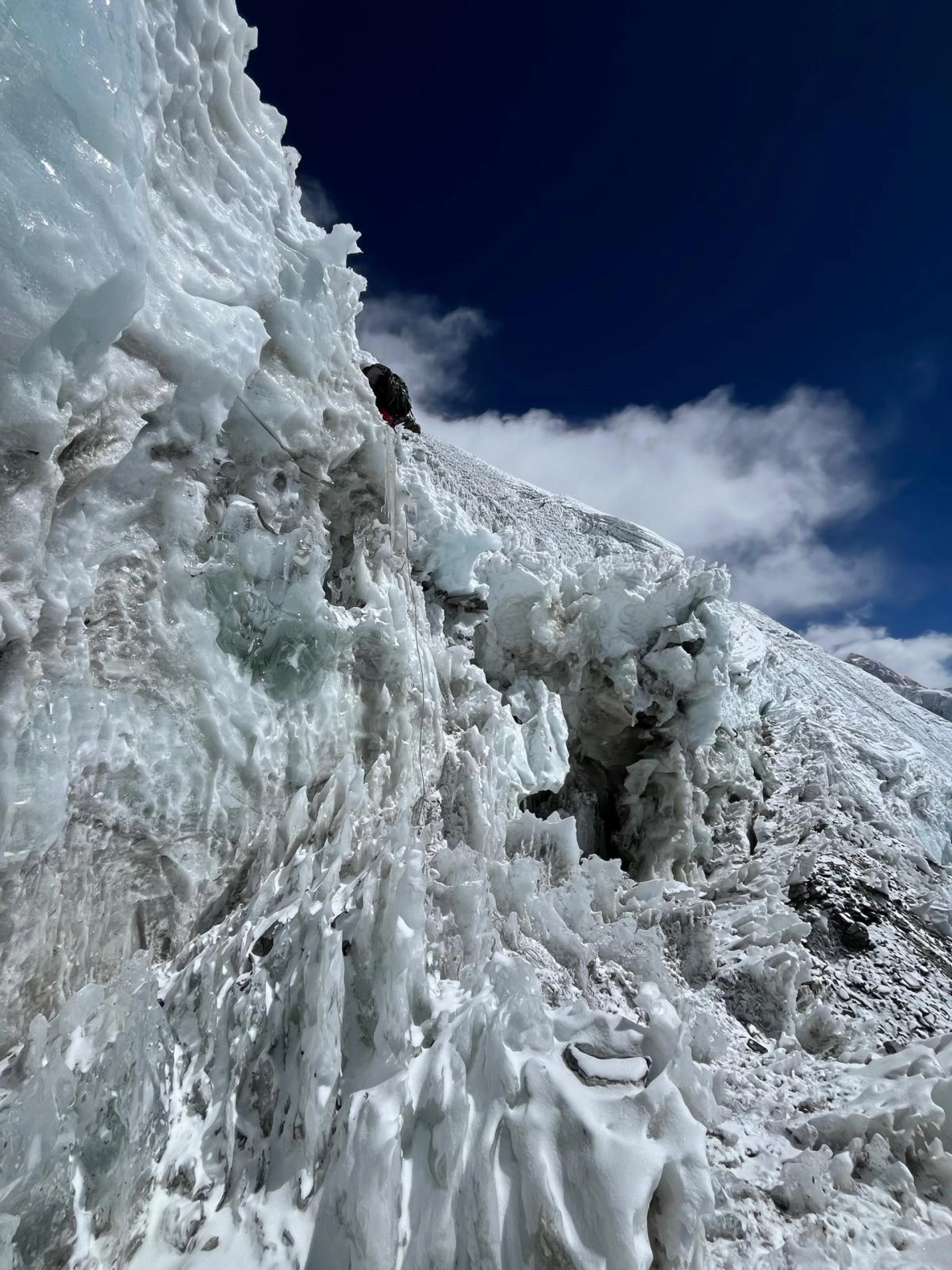
Island Peak, standing at 6,189 meters, is a popular choice for climbers seeking an adventure in the shadow of Mount Everest. Often considered one of Nepal's best trekking peaks, it offers climbers a combination of breathtaking views and technical challenges. Those planning to summit Island Peak often ask, "Is Island Peak difficult to climb?" While it is a challenging ascent due to its altitude, steep sections, and snowy conditions, climbers with basic mountaineering experience can successfully reach the summit with proper preparation.
Starting the Journey: From Kathmandu to Lukla
Island Peak Climbing begins with a scenic flight from Kathmandu to Lukla, a small mountain town nestled at 2,800 meters in the Khumbu region. This flight is often regarded as one of the most thrilling in the world due to Lukla’s high-altitude runway. Upon arrival in Lukla, trekkers begin their journey by walking through lush forests, crossing suspension bridges, and passing through charming Sherpa villages. This initial part of the trek is vital for acclimatization as climbers begin to ascend to higher altitudes, passing through famous towns such as Phakding and Namche Bazaar.
Namche Bazaar, often referred to as the "gateway to Everest," is where many climbers rest and take time to adjust to the altitude before moving further into the mountains. From Namche, the route continues through the villages of Dingboche and Pheriche before reaching Chhukung, the base camp for Island Peak.
The Climb: Preparing for the Summit
Once climbers reach Chhukung, the real challenge begins. The final ascent to Island Peak involves technical mountaineering skills. The first part of the climb consists of rocky terrain that leads to the glacier, followed by a steep, snow-covered ridge. This is where the climb gets more difficult, and climbers will need to use equipment like crampons, ice axes, and ropes. The summit push is demanding, but not overly technical—climbers with basic mountaineering skills, such as knowing how to use an ice axe and crampons, can manage the climb.
Is Island Peak difficult to climb? While it is not as technically challenging as some of the higher peaks in the region, its altitude, combined with the steep final ascent and cold conditions, makes it a demanding climb. It requires good physical preparation, mental endurance, and an understanding of basic mountaineering techniques. Acclimatization is key, as the thin air at higher altitudes can cause fatigue and breathing difficulties.
Acclimatization: Taking It Slow
One of the most important factors when climbing Island Peak is proper acclimatization. Climbers need to allow their bodies to adjust to the high altitude to reduce the risk of altitude sickness. The route is carefully designed to provide sufficient time for acclimatization, with rest days and gradual ascents to help climbers get used to the thinner air.
Climbers will often take a detour to Everest Base Camp or hike up to Kala Patthar during their journey to increase their altitude tolerance. This not only provides a great opportunity to enjoy views of Everest and other Himalayan giants, but it also serves to prepare climbers physically for the final push to Island Peak.
Reaching the Summit: A Rewarding Experience
After an early start, climbers push themselves to reach the summit of Island Peak. The view from the top is simply awe-inspiring, with panoramic vistas of Everest, Lhotse, Makalu, and Ama Dablam filling the horizon. The sense of accomplishment after summiting a peak above 6,000 meters is incredible, and the photographs taken at the top will forever remind you of your achievement.
Although the summit is the main goal, the journey itself is an incredible experience. The landscapes along the way—snow-capped mountains, glaciers, and hidden valleys—create a feeling of isolation and beauty that is rare to find in the world. The quiet solitude of the mountain, paired with the sense of being so high up in the Himalayas, makes Island Peak one of the most rewarding climbs in Nepal.
The Best Time to Climb Island Peak
The best time to climb Island Peak is during the spring (March to May) and autumn (September to November) seasons. These months offer clear skies, dry conditions, and the best opportunities for summiting. The monsoon season (June to August) is not ideal due to heavy rains, and the winter months (December to February) bring harsh cold and snowstorms, making it more difficult and dangerous to climb.
Is Island Peak Right for You?
Island Peak offers an accessible and fulfilling mountaineering experience for trekkers and climbers who are looking for something more challenging than typical trekking routes. It is an excellent choice for those who are fit and have some prior mountaineering experience, but it can also be done with the help of a professional guide. Proper preparation, including physical fitness and knowledge of mountaineering techniques, is essential for a successful climb.
Conclusion: A Climb to Remember
Island Peak Climbing offers an unforgettable experience in one of the world’s most beautiful and rugged mountain ranges. The journey is not just about summiting a peak, but about the entire experience—from the trek through Sherpa villages to the climb itself, with its technical challenges and breathtaking views. Whether you're an experienced climber looking for a new challenge or an avid trekker wanting to experience high-altitude mountaineering, Island Peak provides an accessible yet exciting adventure in the Himalayas.