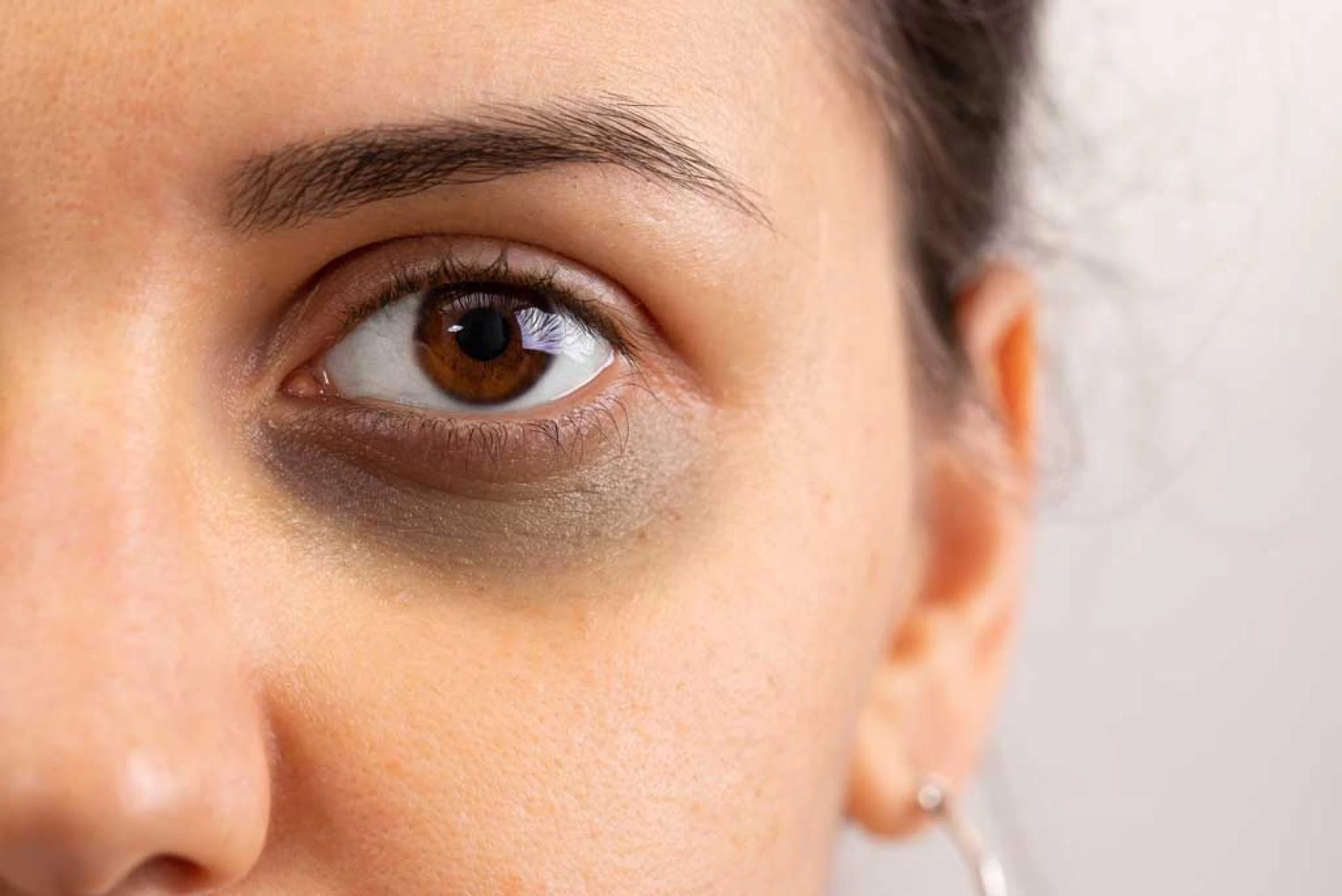
Dark circles under the eyes are a common concern that affects individuals across age groups, often impacting confidence and overall appearance. These persistent shadows can be caused by a variety of factors, including genetics, lifestyle choices, aging, and environmental influences. If you've recently undergone Dark Circles treatment in Abu Dhabi, you might be wondering whether your efforts are paying off. This comprehensive guide aims to help you understand the journey of dark circles treatment, what to expect during the process, and how to determine if your treatment is effective.
Understanding Dark Circles: Causes and Contributing Factors
The Root Causes of Dark Circles
Dark circles develop due to multiple interconnected factors. These include:
- Genetic predisposition: Some individuals inherit thinner skin or pigmentation tendencies around the eyes.
- Aging: As skin ages, it loses collagen and elasticity, making blood vessels more visible.
- Lifestyle habits: Sleep deprivation, stress, smoking, and poor nutrition can exacerbate dark circles.
- Environmental exposure: Excessive sun exposure can increase pigmentation around the eyes.
- Allergies: Allergic reactions can cause swelling and darkening of the skin.
Understanding these causes helps tailor appropriate treatment strategies and set realistic expectations for results.
How Lifestyle and Environment Influence Dark Circles
Lifestyle choices significantly impact the appearance of dark circles. Lack of sleep reduces blood circulation, leading to a dull and shadowed eye area. Poor hydration and unhealthy diets can also weaken skin health. Environmental factors like pollution and UV rays contribute to pigmentation and skin thinning, making dark circles more prominent.
The Evolution of Dark Circles Treatment Options
Non-Invasive Procedures
Advancements in aesthetic medicine have introduced various non-invasive options that target the underlying causes of dark circles:
- Topical creams and serums: Formulated with ingredients like vitamin C, retinol, and peptides to improve skin brightness and elasticity.
- Chemical peels: Light chemical exfoliants that reduce pigmentation and promote skin renewal.
- Laser therapy: Techniques like fractional laser stimulate collagen production and diminish pigmentation.
- Fillers: Injectable fillers can add volume to hollow areas, reducing shadow effects caused by volume loss.
Minimally Invasive and Surgical Options
For more persistent cases, minimally invasive procedures such as microneedling or blepharoplasty might be considered. These treatments aim to remove excess skin, fat, or correct structural issues that contribute to dark circles.
Signs That Indicate Your Dark Circles Treatment Is Effective
Visible Improvements in Skin Brightness and Texture
One of the first signs of effective treatment is a noticeable brightening of the under-eye area. The skin appears more even-toned, smoother, and healthier.
Reduction in Shadowing and Puffiness
Effective treatments should reduce the depth of shadows and minimize puffiness or swelling, leading to a more refreshed appearance.
Enhanced Skin Elasticity and Firmness
Collagen-stimulating procedures result in firmer skin, which helps in reducing the depth of dark circles caused by skin sagging.
Sustained Results Over Time
While initial improvements may be apparent within weeks, lasting results indicate that the treatment is working effectively, especially when combined with proper skincare routines.
Monitoring Your Progress Post-Treatment
Setting Realistic Expectations
It's essential to understand that results vary depending on the individual and the chosen treatment modality. Patience is key, as some procedures require multiple sessions for optimal outcomes.
Regular Follow-Ups
Consistent follow-up appointments allow your aesthetic specialist to assess progress, make necessary adjustments, and recommend maintenance routines.
Incorporating Skincare and Lifestyle Changes
Complementing treatments with good sleep habits, hydration, sun protection, and a balanced diet enhances and prolongs results.
When to Consider Additional or Alternative Treatments
Lack of Improvement and Persistent Dark Circles
If after a reasonable period there’s little to no visible change, consulting your specialist for possible alternative treatments is advisable.
Changes in Skin Condition
New pigmentation, increased puffiness, or skin thinning may necessitate different approaches or combination therapies.
Addressing Underlying Causes
Persistent dark circles caused by allergies or medical conditions should be managed alongside aesthetic procedures for comprehensive results.
The Role of Expertise in Achieving Successful Outcomes
Choosing the Right Clinic and Specialist
Selecting a reputable clinic with experienced professionals is crucial for safe and effective treatment. They can evaluate your specific condition and recommend the most suitable options.
Personalized Treatment Plans
Customized approaches consider your skin type, severity of dark circles, and personal goals, ensuring better results.
Importance of Proper Post-Treatment Care
Following professional advice on skincare, sun protection, and lifestyle adjustments maximizes the effectiveness of your treatment.
How to Know If Your Dark Circles Treatment Is Working Yet?
Patience and Observation
Most treatments require several weeks to months to show significant results. During this time, observe changes in skin brightness, texture, and overall appearance.
Consistency in Skincare Routine
Adhering to recommended skincare regimens and lifestyle modifications sustains and enhances treatment outcomes.
Professional Evaluation
Regular consultations with your specialist help track progress and fine-tune treatments if necessary.
Emotional and Confidence Boost
A positive attitude and confidence in your appearance often boost satisfaction with the results, indicating progress.
Final Thoughts
Dark circles can be a complex concern, but with the right treatment approach and professional guidance, noticeable improvements are achievable. It's essential to understand that results depend on various factors, including the severity of your condition, the chosen procedure, and your commitment to skincare and lifestyle habits. Monitoring your progress, maintaining realistic expectations, and staying engaged with your specialist are key to determining whether your dark circles treatment Abu Dhabi is working effectively.
For those seeking expert advice and personalized care, Enfield Royal Clinic offers comprehensive solutions tailored to individual needs, ensuring you achieve a brighter, more youthful look.
Frequently Asked Questions (FAQs)
1. How long does it take to see results after dark circles treatment?
Results can vary depending on the procedure performed, but typically, initial improvements are visible within a few weeks. Full results may take several months, especially for treatments involving collagen stimulation or skin resurfacing.
2. How can I maintain the results of my dark circles treatment?
Maintaining results involves adopting a healthy lifestyle—adequate sleep, hydration, sun protection, and a balanced diet. Using recommended skincare products and attending follow-up appointments also contribute to long-lasting outcomes.
3. Are there any skincare routines that complement dark circles treatment?
Yes, using eye creams containing ingredients like vitamin C, retinol, hyaluronic acid, and peptides can support skin rejuvenation. Gentle sun protection and avoiding rubbing the eyes help preserve treatment results.
4. Can lifestyle changes alone eliminate dark circles?
While lifestyle modifications can significantly improve the appearance of dark circles, they may not fully eliminate them if genetic or structural factors are involved. Combining lifestyle changes with professional treatments offers the best chance for noticeable improvement.