
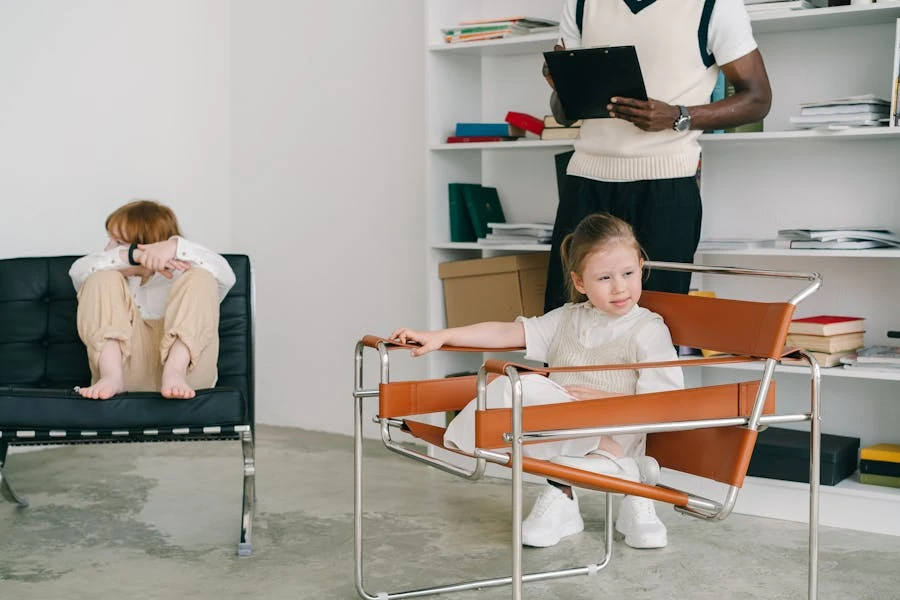
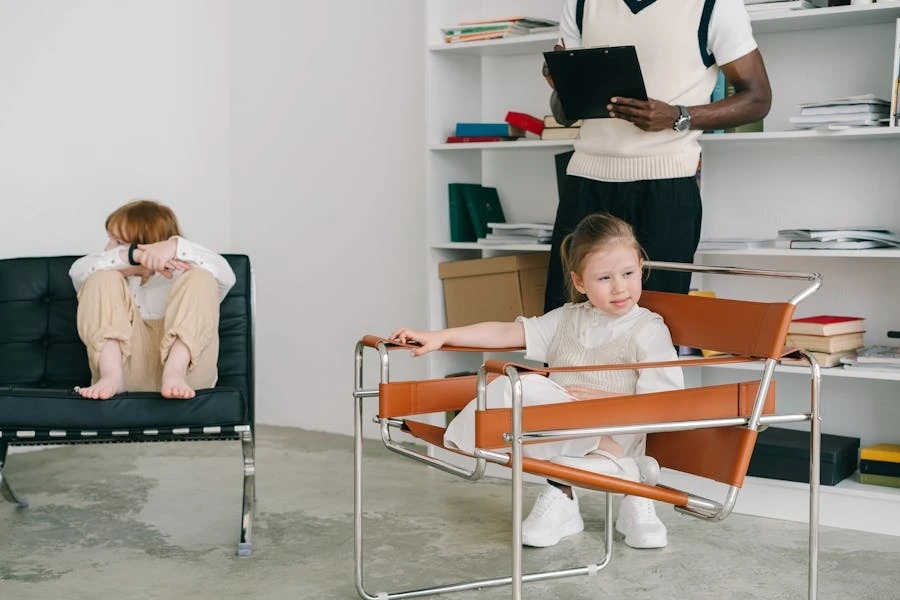
Kids and teens face big emotions, just like adults. But they don’t always have the tools or words to express what they’re feeling. When something goes wrong at school, at home, or within themselves, it can show up in different ways. Some children become withdrawn. Others act out. Some feel anxious, angry, or overwhelmed without knowing why.
That’s where child and adolescent therapy can help.
Therapy gives young people a safe space to understand their feelings, learn how to cope, and build confidence. It can also help parents understand what’s going on beneath the surface. Whether it’s anxiety, school pressure, friendship issues, family conflict, or emotional outbursts, therapy can guide the whole family towards healthier patterns.
What Is Child and Adolescent Therapy?
Child and adolescent therapy is a type of counselling that supports emotional and behavioural development. It’s tailored to the child’s age and stage of life. Therapists use evidence-based approaches like play therapy, cognitive behavioural therapy (CBT), or talk therapy, depending on the child’s needs and personality.
For younger kids, therapy might look like drawing, storytelling, or playing. These activities help children express themselves in ways that feel natural. For older children or teens, therapy often includes talking about feelings, learning new coping strategies, and exploring relationships and identity.
Every session is built on trust. The therapist works to create a space where the child feels safe, heard, and respected.
Signs Your Child Might Benefit from Therapy
Children don’t always say “I’m anxious” or “I’m depressed.” Instead, they show their feelings through behaviour, body language, or changes in daily habits.
Here are some common signs a child or teen might need support:
- Ongoing sadness or frequent crying
- Sudden mood swings or anger outbursts
- Trouble sleeping or frequent nightmares
- Loss of interest in friends, school, or hobbies
- School refusal or sudden drop in academic performance
- Difficulty concentrating or restlessness
- Changes in eating habits
- Withdrawal from family
- Expressions of low self-worth
- Signs of self-harm or risky behaviour in teens
It’s important to remember that all children have tough days. But if these signs persist for more than a few weeks, therapy can help uncover the cause and support positive change.
Common Issues Addressed in Therapy
Therapists help children and teens deal with a wide range of issues, including:
- Anxiety: Worries about school, separation from parents, social situations, or general fears
- Depression: Low mood, lack of motivation, and loss of joy
- Grief and loss: Coping with the death of a loved one or changes like divorce
- Bullying: Whether they are being bullied or acting out towards others
- Behavioural problems: Aggression, defiance, or impulsivity
- Attention difficulties: Including ADHD-related challenges
- Autism spectrum support: Helping with emotional regulation and social skills
- Family conflict: Struggles with boundaries, communication, or sibling issues
- Identity questions: Navigating gender, culture, or self-esteem challenges
- Self-harm or suicidal thoughts: Crisis support and safety planning
Therapy is not about labelling children. It’s about understanding what’s underneath the behaviour and helping the child build resilience.
The Role of Parents and Carers
Parent involvement makes a big difference in therapy outcomes. While some sessions may be one-on-one with the child, others might include parents or carers to talk about patterns, communication styles, or strategies for support at home.
Therapists often work with parents to strengthen emotional bonds, set healthy boundaries, and build consistent routines. This creates a stable foundation for the child to thrive both in and out of therapy.
Open communication with the therapist helps parents understand their child’s needs and learn how to respond in helpful ways.
What to Expect in a Therapy Session
At the first appointment, the therapist meets with the parent or family to understand what’s been going on. This includes a discussion of behaviours, history, and goals for therapy.
With younger children, sessions may include play, games, drawing, or storytelling. With teens, sessions may focus more on conversation and problem-solving. Over time, children begin to feel more comfortable sharing their thoughts and learning how to handle challenges.
Progress might not happen overnight. But with regular sessions, children and teens often gain insight, confidence, and emotional strength.
Choosing the Right Therapist
The relationship between the child and the therapist is key. Look for someone who is warm, experienced, and understands child development. A good therapist listens without judgment and adapts their approach based on the child’s personality and needs.
At MLA Psychology, our team includes psychologists who specialise in working with children, adolescents, and families. We take the time to build trust with each young person and work closely with parents to support the family as a whole.
Final Thoughts
Growing up is not easy. Children and teens face social pressure, academic stress, emotional ups and downs, and family changes. Therapy provides them with the tools to understand themselves, manage emotions, and grow into resilient adults.
If you’ve noticed changes in your child’s behaviour or mood, it might be time to seek professional support. Early intervention can make a lasting difference.
MLA Psychology is here to help. Visit www.mlapsychology.com or book an appointment today with one of our friendly and experienced child psychologists.
Let’s help your child move from surviving to thriving.