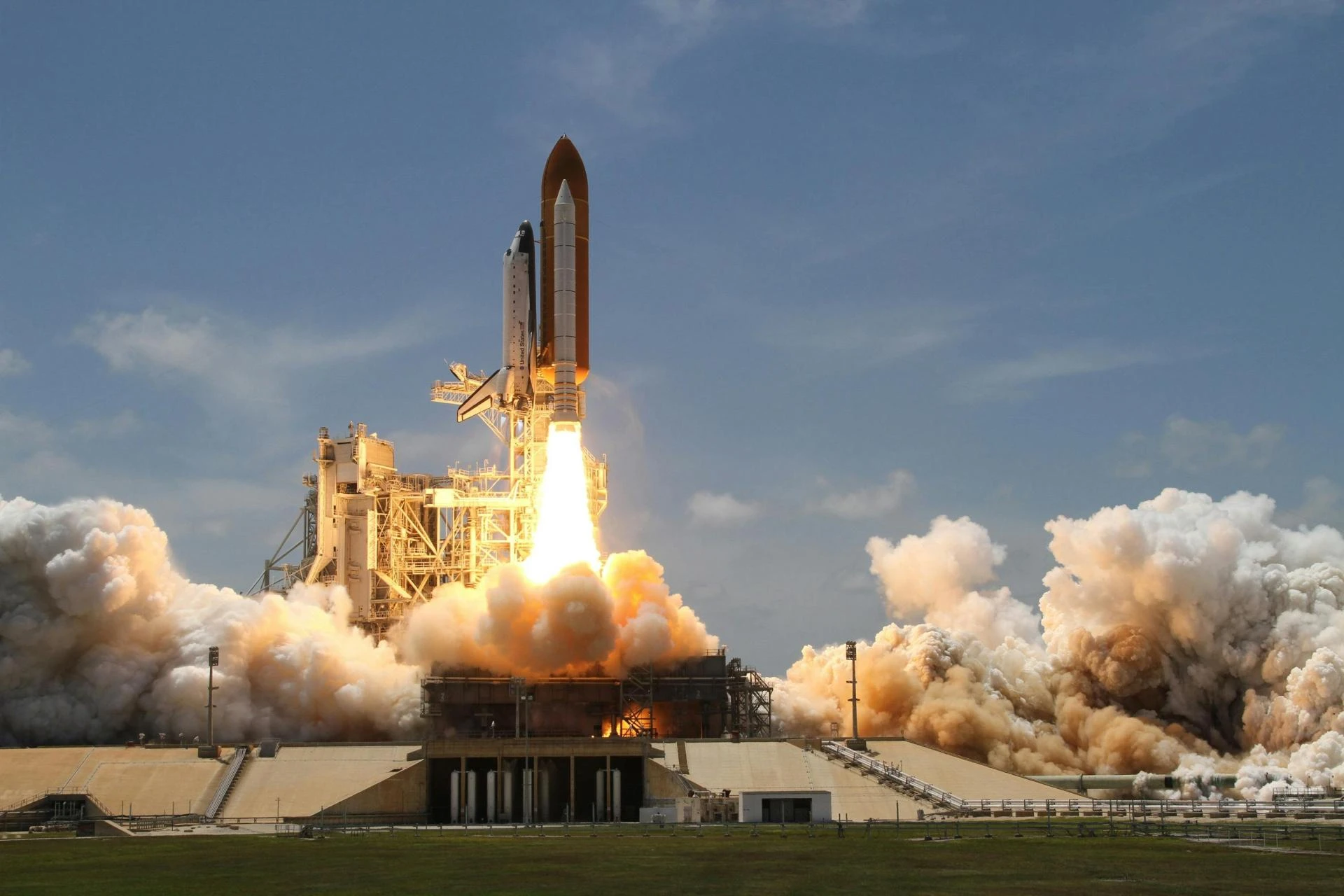
Government agencies and Cold War rivalry once controlled the space industry. Now, it has changed into a lively and fast-growing business sector. Private companies launch rockets, set up satellite networks, and plan trips to the Moon and Mars. The question now isn't if space is a good business area, but how big it can be. As money pours in and technology improves, many experts think the space industry will soon be worth a trillion dollars.
What's Driving Space Industry Growth
A few main things are driving the quick growth of the space economy. The biggest one is the huge drop in launch costs because of reusable rockets that companies like SpaceX created. Being able to use boosters again and again has cut the price of sending stuff into orbit a lot. This makes space more open to new companies, research groups, and businesses.
Satellite tech has come a long way. Tiny satellites known as CubeSats can now do complex jobs at a much lower cost than old-school satellites. This has paved the way for many new uses, from watching Earth and keeping an eye on the climate to providing internet worldwide and tracking assets. The growth of satellite groups, like Starlink and OneWeb, is creating new business opportunities and changing how we communicate across the globe.
Also, government backing and teamwork between public and private sectors play a key role. NASA's Commercial Lunar Payload Services (CLPS) program and the European Space Agency's (ESA) deals with private companies show how governments use business skills to reach strategic aims. These partnerships provide money and prove that space ventures can make money.
Investment Growth and Market Chances
The money world has seen the space sector's promise. Venture capital private equity, and big investors are putting billions into space startups and building projects. A recent space investment quarterly report shows that funding for space-related ventures hit new highs in 2024, with billions invested worldwide in launch services, satellite talks fixing things in orbit, and moon exploration.
This flood of money has an influence on quick progress and growth. Businesses are creating tech for space vacations, mining asteroids, and even making stuff off-world. While some of these ideas might sound like sci-fi, they're getting serious cash and setting up long-term money-making beyond Earth.
Market experts think the worldwide space economy could top $1 trillion by the early 2030s. This growth will come from satellite services, space data analysis, defense uses, and new industries like space logistics and building. The market for satellite comms at sea is set to grow a lot in the next ten years because ships are using new satellite networks.
Challenges and Competitive Landscape
Despite the high hopes, the road to a trillion-dollar space economy faces hurdles. Unclear regulations, global tensions, and expensive projects pose big challenges. Space junk and crowded orbits also worry experts, leading to calls for teamwork between countries and new rules to manage space traffic.
The field is getting more competitive, too. Right now, SpaceX leads in launch frequency and new ideas, but other players are catching up fast. Blue Origin, Rocket Lab, and space agencies from China and India are improving what they can do. New companies backed by government funds and smart investors are changing how the competition looks.
To keep their edge, businesses need to come up with new ideas and create business models that last. This means having different ways to make money, teaming up with the right partners, and following national and global policy aims. The companies that do well will be the ones that can match big dreams with day-to-day control.
Conclusion
The space industry isn't just a dream anymore—it's growing fast and could become the next big market worth trillions. New tech makes more money, and more ways to use space are setting it up to be a key part of how the world makes money in the future. But to make this happen, we need to tackle tough problems and work together across countries and businesses. For people who invest in start companies, and make laws, space offers a huge chance but also tests if they can plan for the long run. The race to this new money-making frontier has already started.