
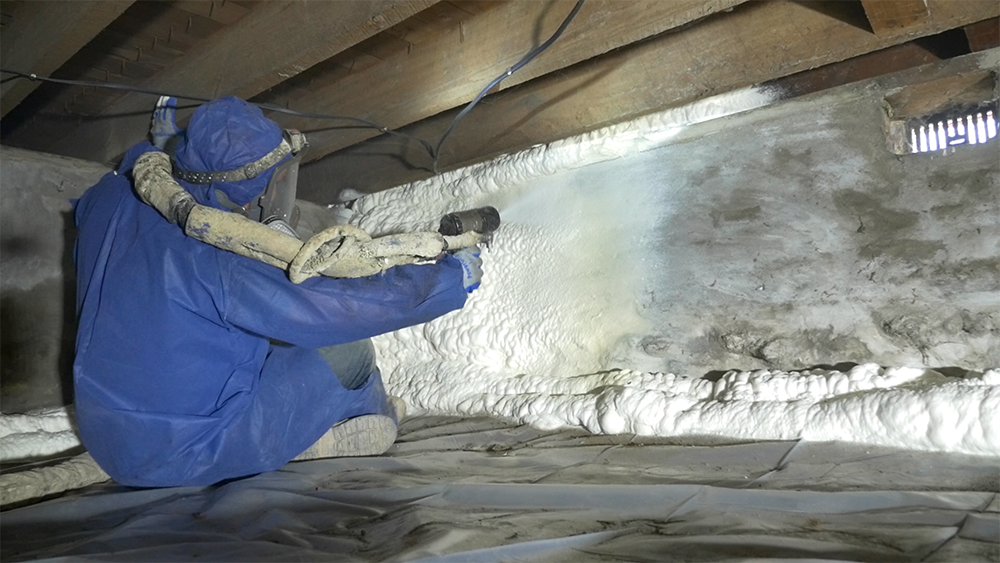
Spray foam is an excellent insulation method, but treating a wet foundation requires careful material selection. Applying standard open cell spray foam directly over a damp area is not the best solution because this specific material absorbs water. Instead, property owners must address the active moisture source and typically use a closed cell product that blocks water vapor. Industry data shows that nearly 50 percent of the air inside a home rises directly from the dirt space beneath it, which makes crawl space spray foam insulation a critical factor in maintaining indoor air quality. This makes proper insulation choices essential for overall property health. Experts in building envelope maintenance recommend thoroughly evaluating the foundation before applying any expanding materials. Readers will find complete details below on how to approach damp foundation areas safely and effectively.
Understanding Moisture Issues in Lower Home Areas
Water accumulates under houses for many reasons, including poor yard drainage and leaking plumbing. This standing water creates heavy humidity that damages wooden floor joists and subfloors over time. Before applying any insulation, property owners need to understand where the water originates. Ignoring the root cause will eventually lead to material failure and expensive wood repairs.
How Water Enters and Causes Damage
Rainwater often pools near foundation walls when gutters overflow or soil slopes toward the building. Groundwater can also seep up through exposed dirt floors if no protective barrier exists. As the liquid evaporates, it creates high humidity levels that rot wooden structural supports. This constant dampness attracts pests and creates poor conditions for standard building materials.
Common Signs of Hidden Water Problems
Many homeowners do not visit the space beneath their floors regularly. Recognizing the warning signs early saves money and prevents serious structural damage. Looking for these specific indicators helps identify active water issues before they spread into the living areas:
- Musty odors inside the main living areas
- Sagging floors or bouncy spots in the house
- Condensation on windows during cold weather
- Higher heating and cooling bills than normal
Bonus Tip: Checking Vents Regularly
Keeping foundation vents clear of debris stops outside rainwater from spilling inside. Blocked vents can also trap humid air during warm weather, making dampness worse. A quick walk around the house every season prevents many common drainage problems.
Evaluating Foam Insulation Options
Different expanding materials react to water in completely different ways. Picking the wrong product for a damp environment leads to trapped water and wood rot. Property owners must match the product specifications to the exact conditions under their house to prevent long-term damage.
Comparing Open and Closed Cell Materials
Both types of foam expand to fill gaps, but their physical structures vary greatly. Closed-cell products form a hard, water-resistant barrier that adds structural strength. In contrast, open-cell spray foam services apply a softer material that allows vapor to pass through it easily. This chart shows how the two materials perform in wet environments.
FeatureClosed Cell FoamOpen Cell FoamWater ResistanceHigh blocks moistureLow, absorbs moistureVapor BarrierActs as a vapor barrierAllows vapor transmissionTextureRigid and denseSoft and flexibleBest Use AreaDamp dirt spaces and exterior wallsDry interior walls and attics
Why Open Cell Material Acts Like a Sponge
Soft expanding foam has small pockets that remain open and connected. When high humidity hits this material, the water vapor enters those tiny air pockets. Reliable open-cell spray foam experts will advise against using this soft product in unconditioned dirt spaces. The trapped water will eventually rest against the wooden floor joists and cause decay.
Things to Consider Before Making a Decision
Putting insulation over a completely wet surface traps the liquid against the building materials. Contractors must dry the area and fix the drainage before applying any expanding products. Rushing this process guarantees future problems with wood decay and poor indoor air quality.

Assessing Current Water Damage
Professionals inspect the wooden supports with moisture meters to check the water content. Wood with a moisture reading above 20 percent requires drying before any work begins. Applying insulation over wet wood locks the moisture inside and accelerates the rotting process.
Drainage and Encapsulation Needs
A complete solution often involves installing a heavy plastic vapor barrier over the dirt floor. Sometimes, contractors must also install a sump pump or a French drain to remove standing water. Creating a dry environment ensures the new insulation performs exactly as intended for decades.
Bonus Tip: Fixing Leaks First
Never insulate around an active plumbing leak, no matter how small the drip appears.
The moisture will ruin the new material and make the plumbing repair much harder later. Any open-cell spray foam contractor will insist on completely dry conditions before operating their equipment.
Long-Term Property Value Impact
Properly sealed and insulated foundations protect the whole house from ground moisture. Real estate data indicates that homes with properly encapsulated foundations save owners between 15 and 20 percent on monthly energy bills. A dry, well-insulated space below the house extends the life of the entire structure.
Regional Weather and Climate Effects
Local weather patterns directly impact how much moisture gathers under a building. Houses in rainy regions face very different challenges from homes built in deserts. Understanding the local climate helps professionals choose the safest and most effective materials.
High Humidity Environments
Areas with high summer humidity push heavy moisture into any vented space under a floor. When this warm, wet air meets cool air-conditioned floors, condensation quickly forms on the wood. A knowledgeable open-cell spray foam company knows that soft foam in these regions fails quickly. Closed-cell products combined with complete encapsulation provide the safest results in muggy climates.
Common Questions People Ask About Crawl Space Insulation
Property owners often have specific questions about how these materials function under a house. Clear answers help people make informed choices about protecting their property. Here are straightforward responses to the most frequent inquiries.
Ability of Foam Insulation to Stop Water Leaks?
No insulation product serves as a solution for active water leaks or standing floods. Homeowners must hire a plumber or waterproofing specialist to stop the water first. The area must be completely dry before adding any protective barrier.
Can mold grow on spray foam insulation, and what conditions contribute to its growth?
Mold does not use the synthetic foam material as a food source. If dirt or dust collects on the surface in a damp environment, mold can grow on that debris. Controlling the humidity remains the best defense against fungal growth anywhere in a home.
What is the Life Expectancy of Foam Insulation?
When applied correctly in a dry environment, these materials can last for the lifetime of the building. They do not sag, settle, or degrade like traditional fiberglass batts. Proper installation over a dry surface ensures maximum longevity.
What is the Impact of Closing Foundation Vents?
Sealing vents works perfectly if the contractor also seals the dirt floor with plastic and controls the air. This process, called encapsulation, stops outside humidity from entering the space. Leaving vents open in a humid climate usually brings more moisture inside than it lets out.
How do different insulation materials behave when dealing with burst pipes, and how does this affect leak detection and repair?
Closed-cell products block the water, which makes finding the leak easier. Soft, open materials will absorb the water until they become completely saturated. Plumbers can easily cut away damaged sections of either material to fix the broken pipe.
Final Thoughts on Treating Damp Foundations
Treating a wet foundation correctly requires patience, planning, and the right materials. Property owners must identify the water source and fix the drainage before thinking about insulation. Choosing products that block moisture ensures the wooden supports remain strong and safe for decades. Every building has unique needs based on the soil, weather, and construction style. Getting a professional assessment helps determine the safest path forward for long-term stability.
Finding the Right Professional Help
Every foundation requires a tailored approach to ensure lasting protection against ground moisture and temperature changes. Property owners looking to secure their building envelope should consult with qualified specialists who understand proper installation techniques. The team at Supreme Spray Foam – Fresno offers comprehensive assessments to help decide which materials fit specific building requirements. Interested readers can reach them directly at (559) 545-0800 to discuss their property. For detailed service questions, they also welcome inquiries through [email protected]
Reviewer: Emma Robinson contributed her knowledge from 8 years of working in the spray foam industry. Her review helped shape this content, grounded in what contractors and homeowners actually value.