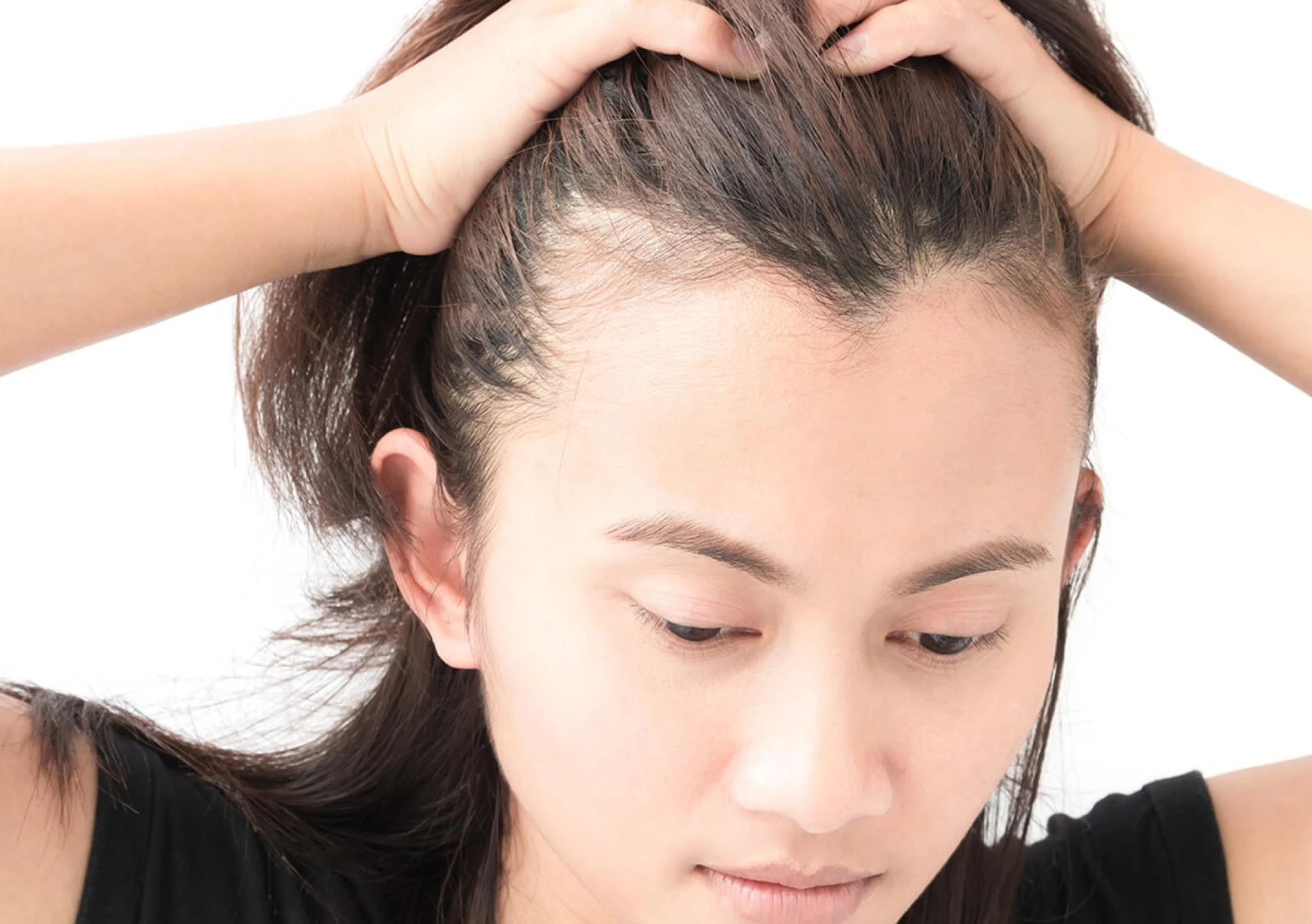
Platelet-Rich Plasma (PRP) hair treatment has gained popularity as a non-surgical option for hair restoration. This innovative procedure involves drawing blood from the patient, processing it to concentrate platelets, and then injecting the platelet-rich plasma into the scalp. The goal is to stimulate hair growth by enhancing natural healing mechanisms and promoting follicle health. PRP Hair Abu Dhabi has become a preferred choice for individuals seeking a minimally invasive approach to combat hair thinning and loss. This treatment is suitable for various stages of hair loss and offers a natural solution without the need for surgical intervention.
How PRP Works for Hair Growth
PRP contains growth factors that are vital for tissue regeneration. When injected into the scalp, these growth factors encourage the revitalization of dormant hair follicles, leading to increased hair density and improved texture. The process stimulates blood circulation in the scalp, bringing essential nutrients and oxygen to hair follicles, which supports healthy hair growth. The regenerative properties of PRP make it an appealing option for those who desire a natural enhancement of their existing hair rather than a complete transplant.
Comparing PRP Hair Treatment and Hair Transplants
The Nature of Treatment: Non-Surgical vs. Surgical
One of the primary distinctions between PRP hair treatment and hair transplants lies in their approach. PRP is a non-invasive, outpatient procedure that involves injections, making it suitable for individuals who prefer a less aggressive treatment. On the other hand, hair transplants are surgical procedures that involve relocating hair follicles from one part of the scalp to another, often requiring anesthesia and recovery time. The choice depends on the extent of hair loss, personal preferences, and specific hair restoration goals.
Effectiveness and Results
While both options aim to restore hair density, their effectiveness varies based on individual conditions. PRP treatments typically require multiple sessions to achieve noticeable results, with gradual improvements over several months. They are most effective for early-stage hair thinning and as a supplementary treatment to enhance the results of other procedures. Hair transplants, however, often provide more immediate and permanent results by physically relocating robust hair follicles to areas of thinning or baldness. The success of a hair transplant depends on factors such as donor hair quality and scalp condition.
Suitability and Patient Suitability
PRP hair treatment is suitable for individuals experiencing early signs of hair thinning, those who prefer non-surgical methods, or individuals who are not ideal candidates for surgery due to health conditions. It is also effective as a maintenance treatment for existing transplants or hair loss. Conversely, hair transplants are generally recommended for patients with more advanced hair loss or localized bald patches. A comprehensive consultation helps determine which option aligns best with a patient’s specific needs and expectations.
Advantages and Limitations of PRP Hair Treatment
Benefits of PRP Therapy
- Minimally invasive: No surgery, stitches, or long recovery periods.
- Natural results: Uses the body’s own biological material, reducing the risk of adverse reactions.
- Versatile: Suitable for various stages of hair loss and compatible with other treatments.
- Quick procedure: Typically completed within an hour, with minimal discomfort.
Limitations and Considerations
- Multiple sessions needed: Results are gradual and often require ongoing treatments.
- Variable outcomes: Effectiveness can differ based on individual factors such as age, hair loss severity, and scalp health.
- Maintenance requirement: To sustain results, periodic treatments may be necessary.
- Not a permanent cure: Unlike transplants, PRP does not create new hair follicles, but rather revitalizes existing ones.
Comparing Long-Term Results and Cost-Effectiveness
Durability of Results
PRP treatments offer significant benefits in stimulating hair growth and improving hair quality, but they are not permanent. Regular maintenance sessions are essential to uphold the results. Hair transplants, by relocating healthy hair follicles, tend to provide a more permanent solution, with many patients experiencing long-lasting results. The choice between the two depends on individual expectations for longevity and the extent of hair loss.
Cost-Effectiveness and Overall Value
While cost considerations are essential, evaluating the overall value encompasses factors like treatment longevity, invasiveness, recovery time, and aesthetic outcomes. PRP treatments generally involve lower upfront costs and minimal downtime, making them accessible and convenient. Hair transplants, although potentially more expensive initially, offer a more definitive solution, which can be more cost-effective over time for suitable candidates seeking permanent results.
Making an Informed Decision: Which Is Better?
The decision between PRP Hair in Abu Dhabi and hair transplants hinges on several factors, including the degree of hair loss, personal preferences, and health conditions. PRP is ideal for early-stage thinning and as an adjunct to other therapies, offering a safe and natural approach without surgery. Hair transplants are better suited for individuals with advanced baldness seeking a permanent solution. Consulting with a qualified specialist is crucial to assess individual needs, set realistic expectations, and develop a tailored treatment plan.
Frequently Asked Questions (FAQs)
1. Can PRP hair treatment completely replace hair transplants?
PRP hair treatment is effective for stimulating hair growth and improving hair quality, especially in early stages of hair thinning. However, it may not fully replace the results achieved through hair transplants in cases of extensive baldness, where relocating existing follicles offers more definitive results.
2. How many PRP sessions are typically required for noticeable results?
Most patients see visible improvements after a series of 3 to 4 sessions spaced about 4 to 6 weeks apart. The exact number varies based on individual factors and the severity of hair loss.
3. Is PRP suitable for all types of hair loss?
PRP is most effective for hair thinning caused by androgenetic alopecia and early-stage hair loss. It may be less effective for scarring alopecia or complete baldness, where hair follicles have been permanently destroyed.
4. How long do the results of PRP hair treatment last?
Results can last from several months up to a year, but ongoing maintenance sessions are often recommended to sustain the benefits, especially if hair loss continues.