
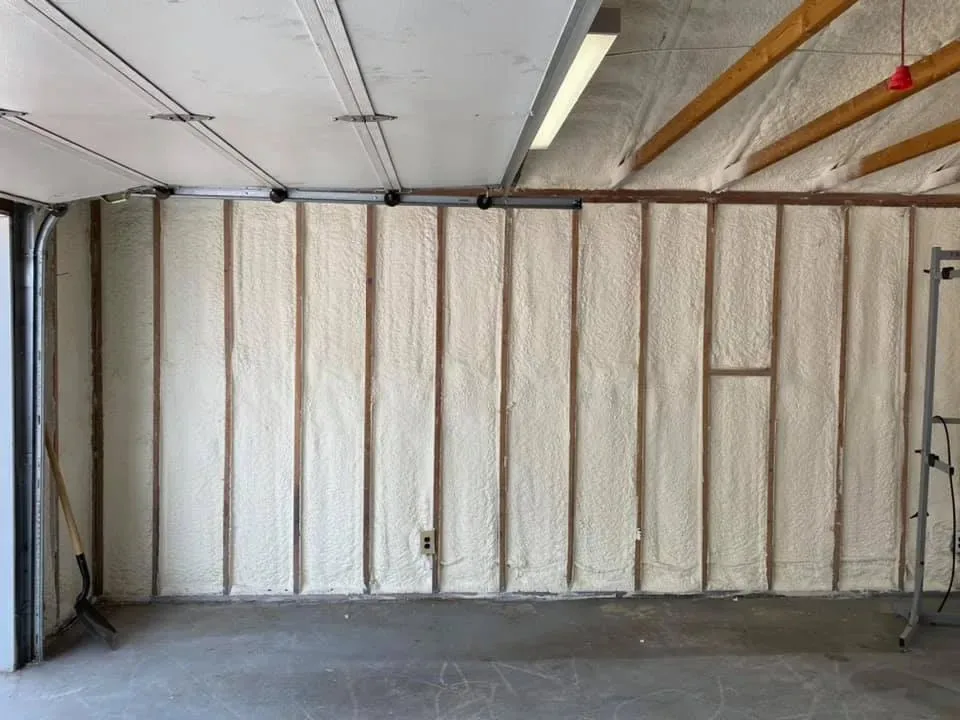
Open-cell spray foam expands after application and fills gaps, cracks, and irregular cavities. This makes open-cell spray foam insulation in Alpine, WY useful where air leakage is part of the attic problem. In a cold-weather climate, air sealing matters because warm indoor air can move through small openings into colder parts of the building. Sealing these pathways can improve the performance of the insulation system and reduce drafts.
For Alpine homeowners, the key is to evaluate the entire building envelope rather than choosing insulation based on one feature. This guide explains where open-cell foam works well, how it compares with other attic insulation options, how Alpine's cold climate affects the decision, and what to check before installation.
Why Open-Cell Spray Foam Can Work Well In Alpine Attics
Open-cell spray foam expands after application and fills gaps, cracks, and irregular cavities. This makes it useful where air leakage is part of the attic problem.
In a cold-weather climate, air sealing matters because warm indoor air can move through small openings into colder parts of the building. Sealing these pathways can improve the performance of the insulation system and reduce drafts. The U.S. Department of Energy's Building America guidance recognizes spray foam as an effective way to create an air-control layer and address difficult-to-seal areas in building assemblies.
For an Alpine home, open-cell foam may be worth considering when:
- The attic has difficult-to-fill spaces: Expanding foam can conform around framing, wiring, pipes, and other irregular areas that are difficult to insulate evenly.
- Air leakage is a major concern: Properly installed foam can seal many penetrations and gaps that allow conditioned air to move through the building envelope.
- The roof assembly is being redesigned: Open-cell foam can be part of certain unvented roof assemblies when thermal and moisture control are properly addressed.
- There is sufficient cavity depth: Open-cell foam generally has a lower R-value per inch than closed-cell foam, so adequate space may be needed.
The material should be selected after evaluating the attic, rather than choosing it simply because spray foam is popular.
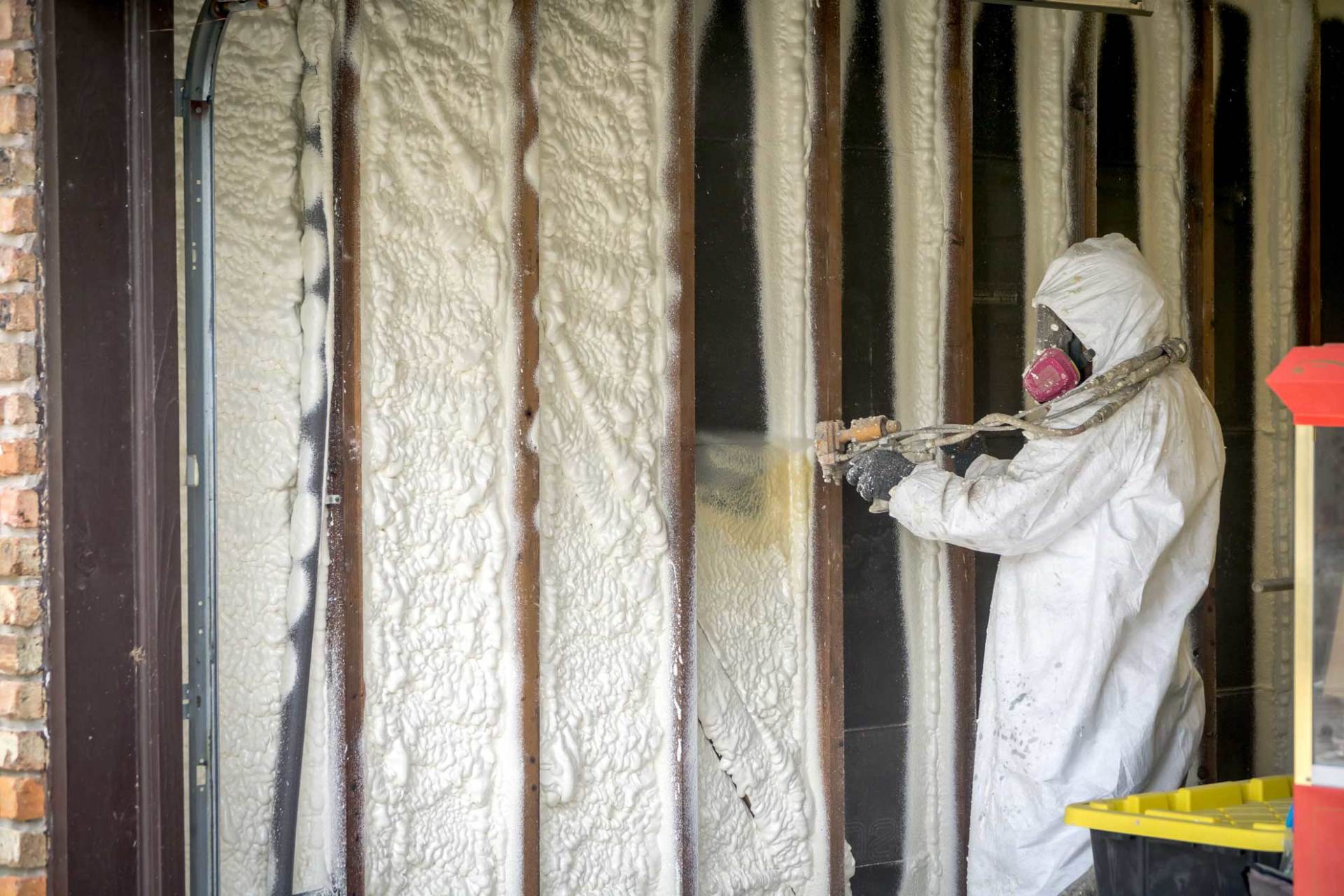
Open Cell Attic Insulation Vs. Other Options
Homeowners have several choices for residential attic insulation. The best one depends on the existing construction and what the project needs to accomplish.

The U.S. Department of Energy's Building America Solution Center explains that spray foam can also be combined with other insulation materials in some attic applications. It also notes that open cell foam's expansion characteristics can make achieving a continuous air-control layer at an existing attic floor more difficult than with closed cell foam. Building America attic spray foam guidance
Benefits Of Open Cell Spray Foam For Attics
When the attic assembly is appropriate, open cell foam can provide several useful benefits.
- Attic Air Sealing: Proper application can reduce air movement through gaps around framing, wiring, plumbing penetrations, and other openings.
- Irregular Cavity Coverage: The foam expands into spaces that can be difficult to fill with batt insulation.
- Improved Thermal Performance: Adding insulation and reducing uncontrolled air movement can help limit heat transfer between conditioned rooms and the attic.
- Roofline Applications: In selected roof assemblies, foam can move the insulation and air-control layer closer to the roof deck.
- Potential Sound Absorption: Open-cell foam has a softer cellular structure that can provide some acoustic benefits within suitable assemblies.
These benefits depend heavily on installation quality. Gaps, incorrect thickness, poor substrate conditions, or moisture problems can reduce the value of the finished system.
Limitations You Should Consider
Open-cell foam has important limitations, especially in a cold-climate roof assembly. Its R-value per inch is generally lower than closed-cell foam. It is also more vapor permeable and can absorb liquid water. As a result, it should not be treated as a waterproofing material.
A roof leak should be repaired before spray foam is installed. Wet sheathing, damaged roofing, or unresolved moisture problems should not simply be covered with insulation. Homeowners should also understand that spray foam does not eliminate the need for proper roof design. Ventilation, vapor control, drainage, flashing, and roof condition remain important.
Vented Attic Or Unvented Roof Assembly?
The type of attic can change whether spray foam attic insulation is appropriate.
Vented Attics
In a traditional vented attic, insulation is normally placed at the attic floor or ceiling plane. The attic itself remains outside the home's conditioned space. Blown-in cellulose or fiberglass can be effective in this type of design. Before insulation is added, air leaks through the ceiling should be addressed, and ventilation pathways should remain functional.
Unvented Attics
An unvented attic moves the insulation and air-control layer to the roofline. This can bring the attic space and equipment such as ducts closer to the home's conditioned environment. Open-cell foam can be used in certain unvented roof assemblies, but the complete assembly needs to be designed for the local climate. Moisture movement, condensation risk, roof-deck temperature, vapor control, and required foam thickness all matter. The decision should be based on the entire roof assembly rather than the foam alone.
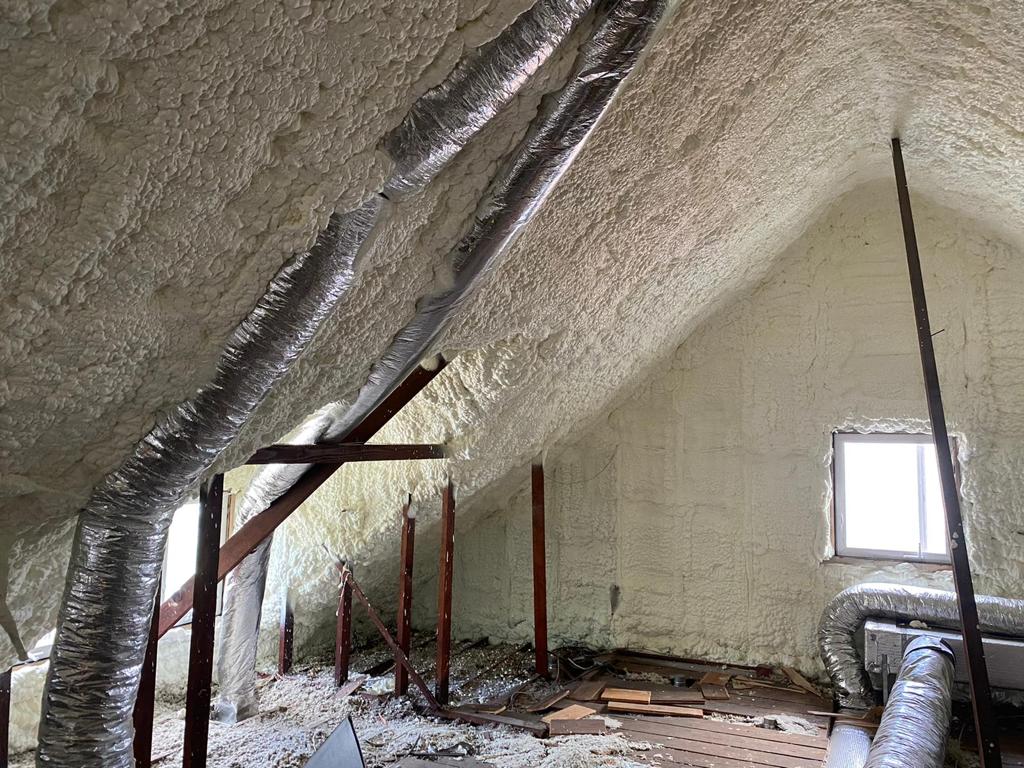
How Alpine Weather Affects Attic Insulation
Alpine homeowners deal with cold winters, snow, wind, and substantial temperature differences between indoor and outdoor conditions. These conditions make effective attic insulation and air sealing particularly important.
Cold weather can expose weaknesses in the building envelope. A poorly sealed ceiling can allow warm indoor air to move into colder areas, while insufficient insulation can increase heat transfer.
Before installing new insulation, the attic should be inspected for:
- Roof leaks: Water intrusion should be repaired before insulation work begins.
- Wet or damaged materials: Moisture-damaged sheathing and insulation need to be addressed instead of covered.
- Blocked ventilation: Vented attic systems need appropriate ventilation paths.
- Air leakage: Common problem areas include attic hatches, plumbing penetrations, electrical openings, and framing joints.
- Exhaust problems: Bathroom or kitchen exhaust should not discharge improperly into the attic.
Spray foam installation also has product-specific requirements for temperature, substrate conditions, application thickness, and curing. A professional installer should follow the manufacturer's instructions rather than using the same process for every project.
What R-Value Does An Alpine Attic Need?
R-value describes an insulation material's resistance to heat flow. A higher R-value generally means greater resistance to heat transfer.
ENERGY STAR's retrofit guidance recommends R-60 for an uninsulated attic in Climate Zones 5 through 8. When an attic already contains approximately 3 to 4 inches of insulation, the guidance lists R-49 as the recommended retrofit level. These are general retrofit recommendations, not a universal requirement for every Alpine home or every spray foam assembly. The required insulation level depends on the home's design, existing construction, applicable code, and the tested performance of the product.
Homeowners can review the current ENERGY STAR attic insulation R-value guidance when evaluating an insulation project. R-value is also only one part of attic performance. Air leakage, thermal bridging, installation quality, moisture, and gaps can all affect how an insulation system performs in the real world.
What Should An Attic Insulation Contractor Check?
A professional evaluation should happen before the insulation material is selected. A qualified attic insulation contractor should look at the existing building conditions and determine what is causing the home's comfort or energy problems.
Important inspection points include:
- Existing Insulation: Its type, depth, condition, and coverage should be documented.
- Air Leakage: The contractor should identify openings where conditioned air can escape.
- Roof Construction: The roof deck and framing determine which insulation assemblies are practical.
- Moisture Conditions: Leaks, condensation, and damaged materials should be resolved before insulation is installed.
- Ventilation: Vented systems need adequate airflow paths that remain open after installation.
- Building Requirements: The proposed work should meet the requirements applicable to the property.
Local requirements also matter. The Town of Alpine currently identifies the 2021 International Building Codes as adopted town codes, while its official building-code page notes that Wyoming has adopted the 2024 International Building Codes at the state level. The town also maintains current code and ordinance information, so the applicable requirements should be confirmed for the specific project.
Why Choose High Country Solutions?
High Country Solutions is a locally owned spray foam insulation company serving Alpine, Wyoming, and surrounding areas. Owner Skeeter Aimone has led the company since 2019. His stated focus is quality workmanship, proper installation practices, and building science.
That approach matters because effective home attic insulation is not simply about putting more material into the attic. The contractor needs to understand where the home's thermal boundary is located, how air moves through the building, and how moisture behaves within the roof assembly. High Country Solutions can help homeowners evaluate whether open-cell foam, closed-cell foam, or another insulation approach makes sense for the property.
Conclusion
Open-cell spray foam can be a good choice for attics in Alpine, WY homes when the roof assembly is suitable, and the installation is properly designed. Its ability to expand into irregular cavities and provide air sealing makes it useful for certain residential attic applications. However, its lower R-value per inch and greater vapor permeability mean it is not the right material for every attic.
The best approach is to inspect the existing attic first. Roof condition, moisture, ventilation, air leakage, insulation depth, R-value, and local building requirements should all be considered before choosing an insulation system.
Get Professional Attic Insulation In Alpine, WY
If your home has cold rooms, noticeable drafts, uneven temperatures, or an attic that appears under-insulated, a professional assessment can help identify what is actually causing the problem.
High Country Solutions can evaluate your attic and help determine whether open cell spray foam or another energy-efficient attic insulation solution is appropriate.
Call (307) 248-9063 or email [email protected] to discuss your insulation project.
Frequently Asked Questions
Is Open Cell Spray Foam Good For Attics?
Open cell spray foam can be a good option for selected attic and roof assemblies. Its suitability depends on the roof design, moisture conditions, required R-value, and whether the attic is vented or unvented.
Is Open Cell Foam Suitable For Alpine, WY Homes?
It can be suitable for some Alpine homes. Because Alpine experiences cold winter conditions, the attic assembly should be evaluated for air leakage, moisture movement, condensation risk, and insulation requirements before installation.
Should I Use Open Cell Or Closed Cell Foam In My Attic?
Neither option is automatically better. Open-cell foam generally provides a lower R-value per inch and is more vapor permeable, while closed-cell foam is denser and provides higher R-value per inch. The appropriate choice depends on the specific assembly.
Can Open Cell Spray Foam Be Used Under A Roof Deck?
Yes. Open-cell foam can be used in certain properly designed roof assemblies. The roof condition, climate, moisture control, foam thickness, and applicable requirements should be evaluated before installation.
Does Spray Foam Stop Attic Air Leaks?
Properly installed spray foam can reduce air leakage through many gaps and penetrations. It must be installed with adequate coverage and thickness to create the intended air-control layer.
Can Spray Foam Be Installed Over A Roof Leak?
No. Active roof leaks should be repaired before spray foam is installed. Insulation should not be used to conceal an unresolved water problem.
What R-Value Should An Attic Have?
The appropriate R-value depends on the home's construction and applicable requirements. ENERGY STAR's retrofit guidance lists R-60 for an uninsulated attic in Climate Zones 5 through 8.
Does More Attic Insulation Always Mean Better Performance?
Not necessarily. Additional insulation can help when the existing insulation level is inadequate, but air leaks, moisture problems, thermal bridging, and poor installation can still limit performance.
Author & Reviewer
Author: I’m Skeeter Aimone, owner of High Country Solutions in Alpine, Wyoming. I’ve led this locally owned spray foam insulation company since 2019. I focus on quality workmanship, proper installation practices, and building science to deliver reliable insulation solutions suited to Wyoming and eastern Idaho’s harsh winters, temperature swings, and high-altitude conditions. I’m committed to honest service and lasting results for residential and commercial properties.
Reviewer: Samuel Harris has worked across various roles in spray foam insulation for over 11 years. His review focused on how businesses can better present their services to both new and returning clients.