
As electricity costs continue to affect household budgets, more Australians are looking beyond rooftop solar panels and considering home battery storage.
A solar system can produce clean electricity during the day, but without a battery, unused energy is generally exported to the grid. A Fox battery allows homeowners to store more of that solar energy and use it later, including during the evening when electricity demand is often higher.
Fox ESS is a recognised name in solar and energy storage, offering hybrid inverters, high-voltage batteries and monitoring technology. Its Australian range includes modular battery systems designed for different household energy requirements.
But is a Fox ESS battery the right choice for your home?
This guide explains how Fox battery storage works, its main benefits, battery sizing considerations and what Australian homeowners should check before arranging an installation.
What is a Fox battery?
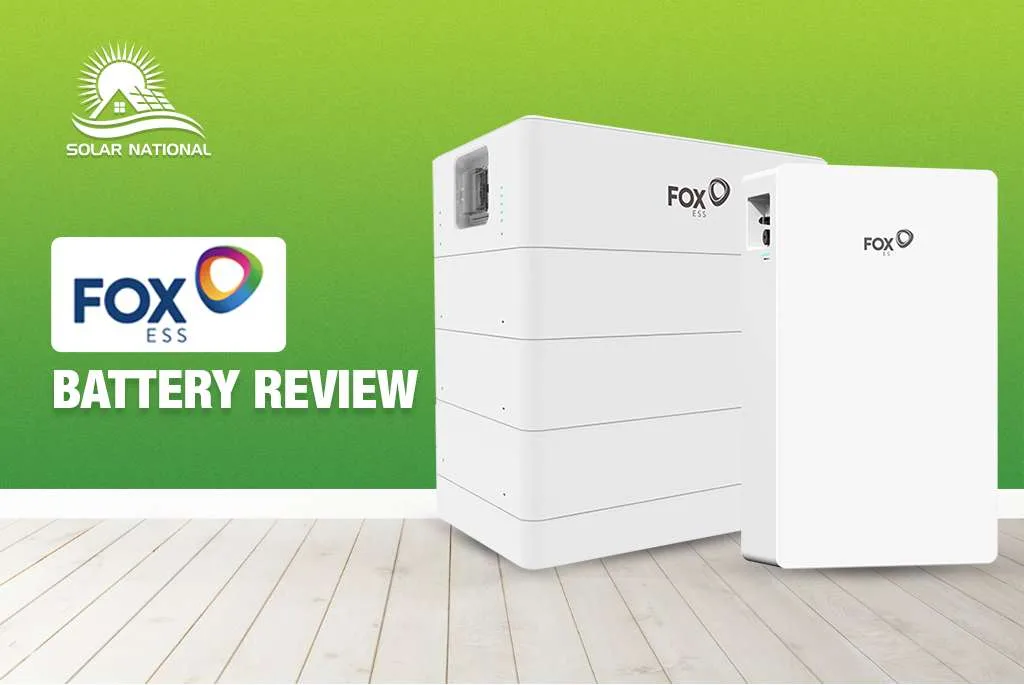
A Fox battery is a rechargeable energy storage system manufactured by Fox ESS. It is usually installed as part of a residential solar system and stores electricity generated by rooftop solar panels.
During daylight hours, solar panels may generate more electricity than the home is using. Instead of sending all the excess power to the electricity grid, a compatible Fox ESS battery can store a portion of it.
The stored electricity can then be used:
- After sunset
- During periods of high household demand
- When solar production is low
- During an outage when compatible backup equipment is installed
Fox ESS offers several modular high-voltage battery families, including EP, EQ and CQ series products. Different models provide different storage capacities and expansion options, allowing the system to be selected according to the property’s electricity use.
How does Fox ESS battery storage work?
A home battery system works alongside the solar panels, inverter and household switchboard.
When the solar panels are generating electricity, the energy generally supplies appliances currently operating in the home. Any available surplus solar electricity can then be directed towards charging the battery.
Once the battery is fully charged, additional solar electricity may be exported to the grid.
Later, when solar generation falls below household demand, the Fox solar battery can discharge its stored energy. This can reduce the amount of electricity that needs to be purchased from an energy retailer.
A compatible hybrid inverter manages the flow of electricity between the solar panels, battery, home and electricity grid.
System monitoring can also allow homeowners to view information such as:
- Current solar generation
- Battery charge level
- Household electricity consumption
- Electricity imported from the grid
- Electricity exported to the grid
This information can help homeowners understand when they use the most energy and adjust their habits to get greater value from their solar energy storage system.
Benefits of installing a Fox battery
Higher solar self-consumption
Solar panels often generate the most energy around the middle of the day. However, many households consume more electricity in the early morning and evening.
A battery helps move daytime solar generation into these later periods.
Without residential battery storage, a household may export a significant amount of excess solar electricity. The feed-in tariff paid for exported energy may be lower than the retail rate charged when electricity is purchased from the grid.
Storing solar electricity for later use can therefore increase solar self-consumption and potentially improve the overall value of the rooftop solar system.
Reduced dependence on grid electricity
A Fox ESS battery can reduce reliance on grid electricity, particularly after sunset.
It will not necessarily make a home completely independent from the grid. However, it may reduce daily grid imports when the solar panels, inverter and battery capacity are correctly designed for the household.
The result depends on factors such as:
- Daily electricity consumption
- Evening and overnight energy use
- Solar system size
- Available excess solar generation
- Battery capacity
- Electricity tariffs
- Seasonal weather conditions
Homes with high evening electricity use may receive more practical value from battery storage than properties that already consume most of their electricity during daylight hours.
Potential backup power
Some Fox battery and inverter configurations may support backup power during an electricity outage.
However, backup functionality is not automatically included with every solar battery installation.
Homeowners should ask the installer:
- Which circuits will remain powered?
- How much backup output will be available?
- Is additional backup equipment required?
- Will backup activation be automatic?
- Can the battery provide whole-home or essential-load backup?
A properly configured battery backup system may support lighting, refrigeration, internet equipment and selected power outlets.
However, running several high-demand appliances at the same time can quickly use the stored energy. Appliances such as electric ovens, large air conditioners, pool pumps and electric vehicle chargers may require careful load management.
Expandable battery storage
Modular solar battery storage can be useful for households that expect their energy use to increase.
A family may later install:
- An electric vehicle charger
- A swimming pool or spa
- A home office
- A heat-pump hot water system
- Additional air conditioning
- More solar panels
Depending on the selected Fox ESS battery model and system design, additional modules may be added to increase the available storage capacity.
Expansion conditions should always be confirmed before purchase. Battery age, firmware versions, module limits and compatibility requirements may affect whether extra capacity can be added later.
Integrated solar equipment
Fox ESS produces batteries, hybrid inverters and energy management products.
Choosing equipment from the same product ecosystem may simplify system integration when the components are properly matched and installed.
However, homeowners should not assume that every Fox inverter is compatible with every Fox battery.
The solar installer should confirm the exact:
- Battery model
- Hybrid inverter model
- Firmware requirements
- Number of battery modules
- Backup configuration
- Monitoring platform
These details should be clearly listed in the written proposal.
Choosing the right Fox battery capacity
Battery capacity is measured in kilowatt-hours and written as kWh. It indicates how much electricity the battery can store.
Choosing the largest available home battery storage system is not always the best financial decision.
A correctly sized battery should reflect the household’s available excess solar generation and electricity consumption outside solar production hours.
When a battery is too small, it may not store enough energy to cover the household’s evening demand.
When a battery is too large, it may not fully charge on many days. This can mean the homeowner has paid for storage capacity that is rarely used.
A solar installer should review at least 12 months of electricity consumption where possible.
Smart-meter interval data is especially helpful because it shows when electricity is being used rather than only showing the total consumption on each quarterly bill.
Important sizing factors include:
- Solar array size and orientation
- Daily and seasonal solar production
- Evening and overnight electricity use
- Electricity tariff structure
- Planned electric vehicle charging
- Backup power expectations
- Future household energy requirements
Homeowners should also compare usable capacity rather than relying only on a headline nominal capacity.
Ask the installer to explain how much stored energy will normally be available for household use after system operating limits and battery protection settings are considered.
Can a Fox battery be added to existing solar?
A Fox battery may be added to an existing solar installation, but the best approach depends on the current inverter and overall system design.
A DC-coupled upgrade may involve replacing the existing solar inverter with a compatible hybrid inverter.
An AC-coupled battery solution may allow the existing solar inverter to remain in place while separate equipment manages the battery’s charging and discharging.
Each option has different benefits, limitations and installation costs.
Before recommending an upgrade, the installer should check:
- The age of the existing solar system
- The existing inverter model
- Solar panel condition
- Switchboard condition
- Available battery installation space
- Local electricity network requirements
- Battery and inverter compatibility
- Existing solar warranties
Homeowners should avoid purchasing a battery based only on the advertised storage capacity. Compatibility with the existing solar system should be confirmed in writing before paying a deposit.
What affects the Fox battery price?
There is no single Fox battery price that applies to every Australian home.
The final installed cost may vary according to:
- Battery capacity
- Number of battery modules
- Hybrid inverter requirements
- Backup power equipment
- Switchboard upgrades
- Electrical cabling
- Installation labour
- Site access
- Battery location
- Monitoring and commissioning
- Existing solar equipment
A low advertised price may include only the battery hardware or a basic installation.
A complete Fox ESS battery quote should identify the exact battery model, usable capacity, inverter, number of modules, backup functionality, electrical work, monitoring setup, warranties, labour and exclusions.
Australian battery incentives may also reduce the upfront cost of eligible installations.
However, rebate conditions and approved products can change. The Clean Energy Council states that government battery programs, including the federal Cheaper Home Batteries Program, require eligible equipment to appear on the relevant approved product lists.
Homeowners should confirm that the exact Fox ESS battery and inverter models included in their quote meet the current program requirements.
What to check before installing a Fox ESS battery
Product approval
Confirm that the exact battery and inverter models meet relevant Australian requirements and are eligible for any government incentive being claimed.
Do not rely only on the brand name. Product approvals generally apply to specific model numbers.
Installer experience
Choose a suitably qualified installer with experience in solar battery storage, hybrid inverters and backup systems.
Installing a battery involves electrical safety, equipment placement and commissioning requirements that are different from a standard solar-only installation.
Warranty conditions
Read the written battery warranty rather than relying only on the advertised warranty period.
Check important details such as:
- Capacity retention
- Energy throughput limits
- Operating temperature conditions
- Product registration requirements
- Internet connectivity conditions
- Labour coverage
- Transport costs
- Warranty claim procedures
A long warranty period does not always mean every repair, replacement and labour cost will be covered.
Installation location
A battery must be installed in an appropriate position.
Heat, direct sunlight, flooding risk, ventilation, equipment clearances and proximity to windows, doors or living areas may influence where the battery can be located.
A suitable location can also help protect the system from weather exposure and excessive temperatures.
Backup expectations
Clarify whether the quoted Fox battery system includes backup power.
Ask which circuits will remain active, how much power will be available and which appliances can operate together during an outage.
This prevents confusion between a battery that only reduces grid consumption and a complete battery backup system.
Monitoring and technical support
Confirm how the home energy storage system will be monitored and who will provide support after installation.
The installer should explain:
- How to access the monitoring platform
- How to check the battery charge level
- How system alerts are handled
- Who commissions the battery
- Who to contact when a fault occurs
Is a Fox battery worth it?
A Fox battery may be worthwhile for a household that exports substantial solar electricity during the day and purchases electricity from the grid in the evening.
It may also suit homeowners who value backup capability, want greater control over their electricity use or expect their future energy consumption to increase.
The financial outcome will vary between properties.
Solar battery storage is generally easier to justify when there is enough surplus solar energy to charge the battery regularly, strong evening electricity consumption and a meaningful difference between feed-in tariffs and grid electricity rates.
Before deciding, compare the expected savings against:
- The complete installed cost
- Warranty conditions
- Expected battery use
- Available rebates
- Electricity tariff
- Future energy requirements
A reputable solar installer should provide realistic estimates rather than guaranteeing that a Fox solar battery will completely eliminate electricity bills.
Frequently asked questions
Can a Fox battery power a home during a blackout?
Some compatible Fox ESS systems can provide backup power when correctly designed and installed. The available circuits and power output depend on the inverter, battery configuration and backup equipment.
Can a Fox ESS battery be expanded later?
Several Fox battery systems use a modular design. However, expansion rules vary between models. Confirm the maximum number of modules and whether additional modules can be installed later.
Can a Fox battery work without solar panels?
Some battery configurations may allow electricity to be charged from the grid. However, most residential battery systems are installed to store excess rooftop solar energy. Grid charging may also depend on tariffs, program rules and system settings.
How long does a Fox battery last?
Battery lifespan depends on usage, operating temperature, charging behaviour and the particular battery model. Review the written product warranty, capacity retention terms and energy throughput conditions before purchasing.
Final thoughts
Fox ESS offers a broad selection of solar battery storage products for Australian homes, including modular systems that can be matched to different energy requirements.
For homeowners with excess daytime solar generation, a Fox battery may increase solar self-consumption, reduce evening grid imports and provide selected backup power when the system is designed for it.
The most important step is not simply choosing a recognised battery brand. It is selecting the correct usable capacity, compatible inverter, installation location and backup configuration for the property.
Compare detailed quotes, confirm current product approvals and ask installers to explain the assumptions used in their savings estimates.
A well-designed Fox battery system should be based on how the household actually uses electricity, not only on the battery capacity displayed in an advertisement.