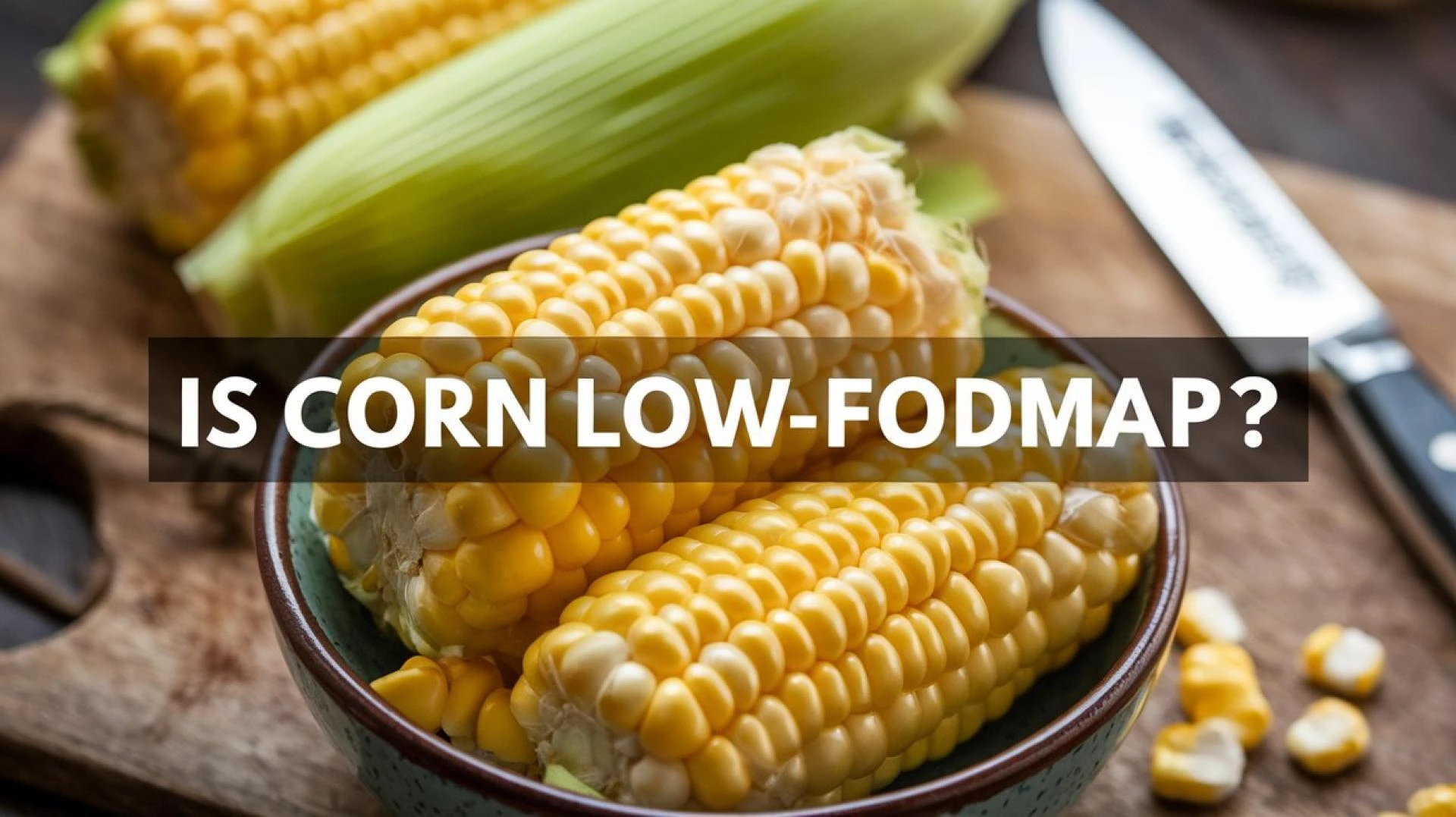
For individuals living with Irritable Bowel Syndrome (IBS), managing symptoms often means paying close attention to what they eat. One of the most helpful dietary strategies is the low-FODMAP diet, which involves reducing specific types of fermentable carbohydrates known to trigger IBS symptoms. Among the many foods people wonder about, corn is a common question. So, is corn low FODMAP? The answer is a bit nuanced and depends on the type of corn and how it’s prepared.
Understanding FODMAPs
FODMAPs are short-chain carbohydrates that are poorly absorbed in the small intestine. They include:
Fermentable oligosaccharides (e.g., fructans, galacto-oligosaccharides)
Disaccharides (e.g., lactose)
Monosaccharides (e.g., excess fructose)
And polyols (e.g., sorbitol, mannitol)
These compounds can ferment in the gut, causing gas, bloating, pain, and changes in bowel habits. The low-FODMAP diet helps people with IBS identify which foods are problematic and eliminate or limit them accordingly.
Types of Corn and Their FODMAP Content
To answer the question “is corn low FODMAP,” it’s essential to look at different types and forms of corn, as the FODMAP content can vary greatly.
1. Sweet Corn (Corn on the Cob)
Sweet corn contains sorbitol, which is a polyol—a type of FODMAP. According to Monash University, which leads research on the low-FODMAP diet, sweet corn is high in FODMAPs in large servings, but a small serving of about ½ cob (43g) is considered low-FODMAP and generally safe for most individuals with IBS.
2. Canned Corn
Canned corn can be higher in FODMAPs than fresh corn due to the concentration process and added ingredients. However, drained and rinsed canned corn in small amounts (about 1 tablespoon) may still be tolerated by some individuals with IBS. Always check for added sweeteners like high-fructose corn syrup or sorbitol, which can worsen symptoms.
3. Baby Corn
Baby corn is picked early, before the kernels fully develop, and has a much lower FODMAP content than mature sweet corn. It is generally considered low-FODMAP, and a typical serving (about ½ cup or 75g) is well tolerated by most people with IBS. It’s a great addition to stir-fries or salads for those following a low-FODMAP plan.
4. Cornmeal and Polenta
Cornmeal and polenta are made from ground corn and are typically low-FODMAP. A serving size of up to ¾ cup cooked is generally well tolerated. Be cautious with flavored or prepackaged polenta, as it may contain high-FODMAP ingredients such as garlic, onion, or dairy.
5. Popcorn
Popcorn is a whole grain and a surprisingly IBS-friendly snack. It's naturally low in FODMAPs and can be enjoyed in moderate portions. About 7 cups (56g) of air-popped popcorn is considered low-FODMAP. Avoid microwave popcorn with added butter or artificial flavors, which can introduce problematic ingredients.
6. Corn Tortillas
Traditional corn tortillas made with masa harina (nixtamalized corn flour) are low-FODMAP in moderate servings. A standard serving of two small corn tortillas (about 50g) is usually safe. These make a great gluten-free base for tacos or wraps without triggering IBS symptoms.
7. Corn Chips
Plain corn chips made with minimal ingredients (corn, oil, and salt) are low-FODMAP in small servings—around 50g. However, be cautious of flavored chips which may include garlic or onion powder—both high-FODMAP.
IBS and Corn: What You Need to Know
People often ask about the connection between IBS, corn, and digestive distress. While some forms of corn are problematic, others are perfectly acceptable on a low-FODMAP diet. The trick is portion control and preparation.
If you experience bloating or abdominal pain after eating corn, it doesn’t automatically mean you need to eliminate all corn products from your diet. It may just mean you’ve consumed a portion that’s too large or included a variety with a higher FODMAP load. When managing IBS, corn can be both a friend and a foe—it’s all about choosing the right type and amount.
Tips for Eating Corn on a Low-FODMAP Diet
If you’re following a low-FODMAP plan and want to include corn, here are some practical tips:
Start Small: Test your tolerance by starting with a small serving of low-FODMAP corn varieties like baby corn or popcorn.
Read Labels: Check processed corn products for added ingredients like high-fructose corn syrup or sorbitol.
Cook Simply: Stick to plain preparations without garlic, onion, or dairy-based sauces.
Combine Smartly: Pair corn with other low-FODMAP foods to keep your overall meal FODMAP-friendly.
Monitor Symptoms: Keep a food diary to track your responses to different forms of corn.
Conclusion
So, is corn low FODMAP? The answer depends on the type and portion size. While sweet corn in large quantities can be high in FODMAPs, other forms like baby corn, popcorn, and masa-based products can be included safely on a low-FODMAP diet. If you're managing IBS, corn doesn’t have to be off-limits. With careful selection and moderation, it can be a safe and satisfying part of your meals.
When it comes to IBS, corn can be both a culprit and a comfort. By understanding the nuances of corn products and keeping an eye on portion sizes, you can enjoy this versatile grain without compromising your digestive health.