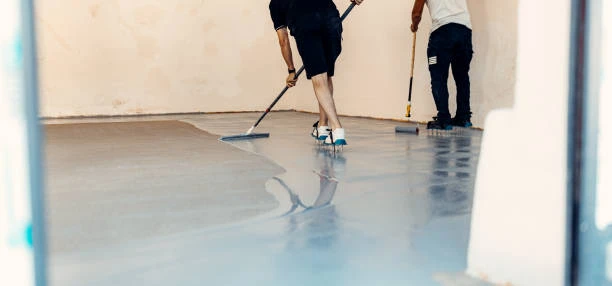
When managing a high-output industrial facility, the ground beneath your feet is more than just a surface; it is a critical piece of infrastructure. Standard concrete often fails under the relentless pressure of heavy machinery and constant foot traffic. This is why many facility managers are turning to specialized coatings to protect their investment and ensure a safe, productive workspace.
The Resilience of Commercial Epoxy Flooring
In large-scale environments like warehouses and factories, the flooring system must be incredibly resilient. Traditional surfaces often crack or dust under the weight of forklifts and pallet jacks, creating a messy and potentially hazardous environment. Upgrading to a professional solution ensures that the floor can handle the daily grind without losing its structural integrity or aesthetic appeal.
Handling Heavy Loads in Warehouses
Warehouses are high-impact zones where efficiency is the top priority. The floor must support heavy racking systems and the constant movement of equipment. A high-quality commercial epoxy flooring provides a dense, hard-wearing surface that resists abrasions and impacts. This durability means fewer repairs and less downtime for your logistics operations, keeping the supply chain moving smoothly.
Impact Resistance and Structural Integrity
The chemistry behind these coatings allows them to bond directly to the concrete substrate. This bond creates a reinforced layer that is significantly stronger than untreated concrete. For factories where heavy parts might be dropped or moved, this impact resistance is vital for preventing floor damage and maintaining a professional appearance throughout the entire facility.
Safety and Efficiency in Factory Settings
Safety is a non-negotiable factor in industrial settings. Factories often deal with vibrations, heat, and the potential for slips. A seamless surface eliminates the joints and seams where dirt and bacteria usually hide, making the entire area easier to clean. Furthermore, these floors can be treated with anti-slip additives to ensure workers remain safe even in fast-paced production environments.
Dust Reduction and Cleanliness
One of the biggest issues with raw concrete is "dusting," where the surface slowly disintegrates into a fine powder. This dust can damage sensitive electronics and contaminate manufactured goods. By sealing the concrete, you eliminate dust production entirely. This leads to a much cleaner environment, which is essential for maintaining high quality-control standards in specialized manufacturing sectors.
Seamless Integration for Industrial Use
Because the application is fluid-applied, it creates a completely seamless finish from wall to wall. This lack of seams prevents moisture from seeping into the subfloor, which is a common cause of floor failure in older buildings. For New Jersey businesses operating in humid conditions, this moisture barrier is a significant advantage for long-term facility health.
Long-Term Value and Sustainability
Investing in a high-grade floor system is a cost-effective move for any business owner. While the initial installation requires a professional touch, the long-term maintenance costs are remarkably low. You won’t need to wax or strip these floors; a simple routine of sweeping and occasional mopping is usually enough to keep them in top condition for years.
Conclusion
Choosing the right flooring is a strategic decision that affects the safety and efficiency of your warehouse or factory. By opting for a specialized system, you ensure a surface that withstands heavy traffic and remains easy to maintain. This practical approach to facility management guarantees that your operations remain uninterrupted, providing a reliable foundation for your business's ongoing success and growth.