When most people think of Chinese culture art, images of majestic dragons, flowing calligraphy, and ancient porcelain often spring to mind. While these are certainly iconic aspects, they only scratch the surface of a profoundly intricate and centuries-deep cultural identity. The world of Chinese art is not a narrow pathway—it’s a vast, intricate landscape shaped by dynasties, philosophies, ethnic diversity, spiritual influences, and more. From brush strokes to architectural marvels, Chinese culture art serves as a visual narrative of China’s evolving soul.
Let’s take a closer look beyond the expected icons and explore the hidden, richly woven layers of Chinese artistic culture.
A Tapestry Woven Through Time
Chinese culture art isn’t confined to a specific time frame or a single form of expression. It’s a continuum that stretches back more than 5,000 years, evolving through dynastic shifts, political revolutions, and philosophical awakenings. It reflects Confucian ethics, Taoist serenity, Buddhist spirituality, and even Marxist ideology in modern times. From oracle bones of the Shang Dynasty to contemporary ink installations in global museums, every brushstroke and sculpted form reveals a moment in China’s cultural timeline.
Ancient Chinese pottery, jade carvings, bronze ritual vessels, and early silk paintings showcase the sophisticated skills of early artisans. These weren’t just decorative objects—they carried spiritual significance, political symbolism, and societal status.
The Power of Philosophy in Art
One cannot understand Chinese culture art without recognizing the influence of China’s philosophical traditions. Confucianism, Taoism, and Buddhism each left their marks on Chinese art.
Confucian art often upholds harmony, respect, and social hierarchy. This is visible in traditional portraiture of emperors and scholars, always depicted in dignified postures.
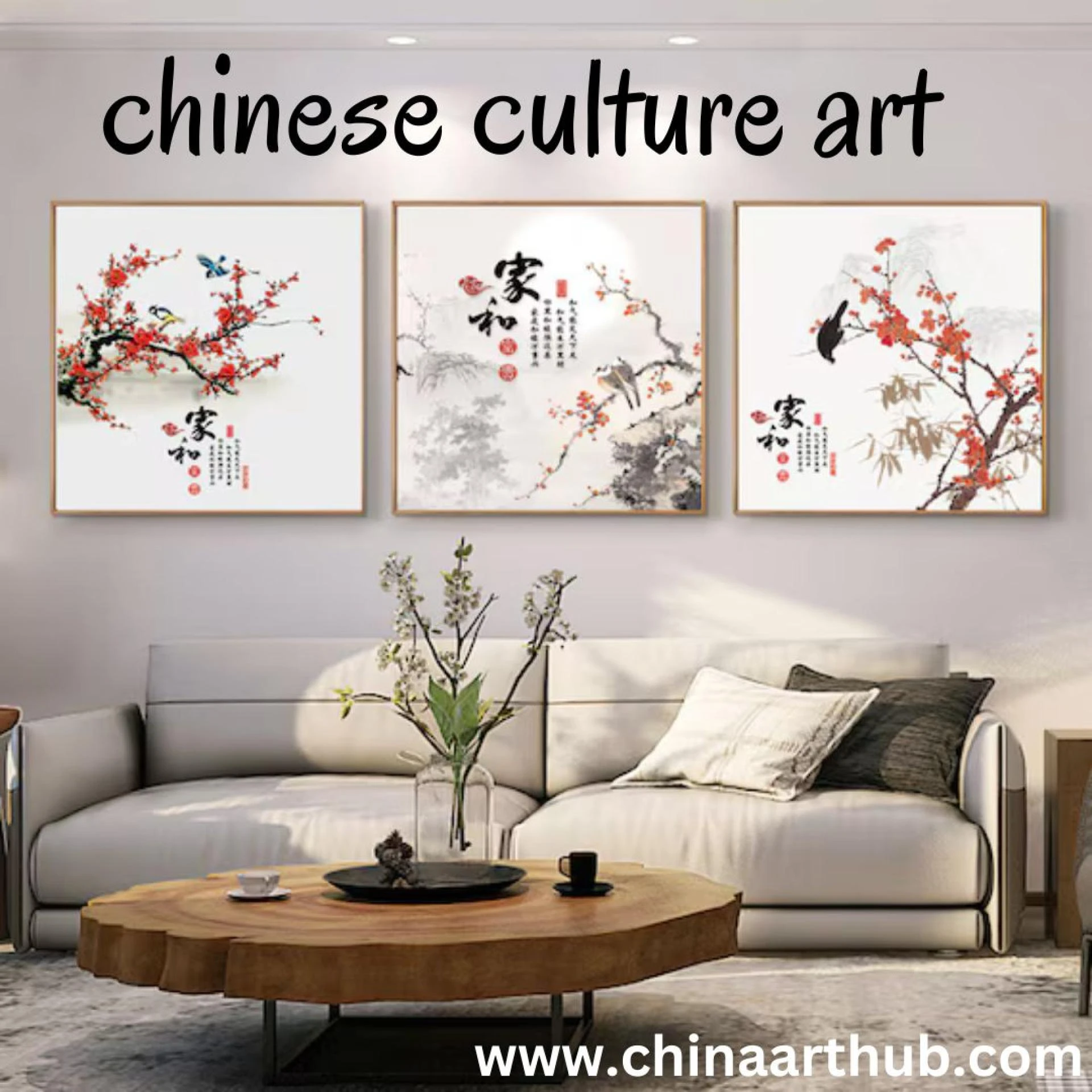
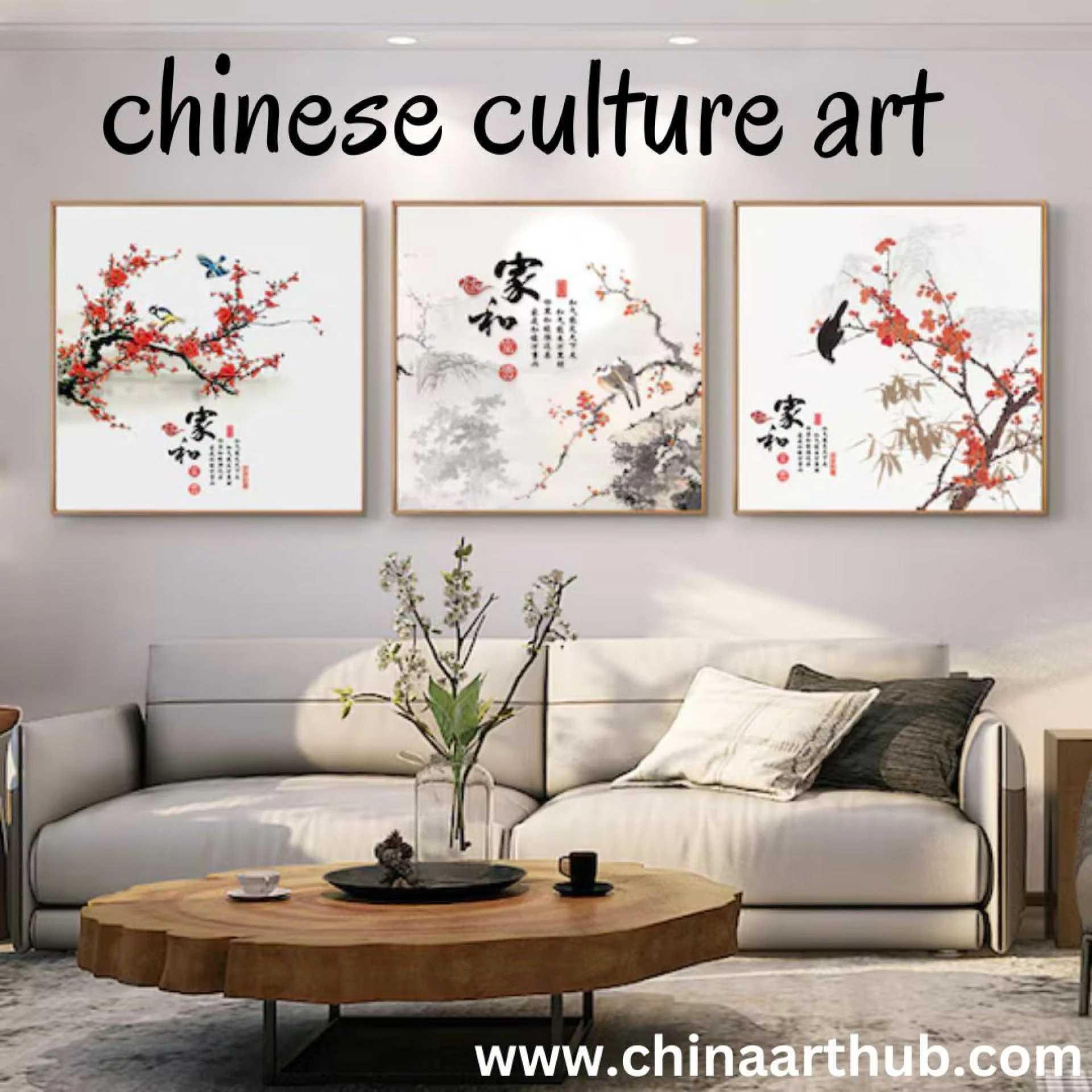
Taoist art, on the other hand, leans toward nature. Paintings of misty mountains, flowing rivers, and lone wanderers express themes of detachment and harmony with the natural world. Ink wash landscapes, for instance, capture the fleeting essence of a moment rather than realistic depictions. Taoist aesthetics are about suggestion rather than definition—letting the viewer wander mentally within the art.
Buddhist influence brought a flood of religious iconography, temple murals, and sculptural masterpieces. From the serene face of a stone-carved Buddha to the golden, intricate thangkas of Tibetan regions, Buddhist art added spiritual depth to the Chinese visual tradition.
The Unsung Heroes: Folk and Minority Art Traditions
A significant but often overlooked aspect of Chinese culture art lies in the folk traditions of its many ethnic groups. China officially recognizes 56 ethnic minorities, and many of them have preserved unique artistic styles passed down through generations.
For instance, the Dong people are known for their wooden architecture and embroidered costumes. The Miao minority produces elaborate silver jewelry and intricate batik fabrics. Each community contributes its own symbols, patterns, and mythologies, enriching the national art narrative with regional flavors.
These traditional crafts are not frozen in time—they’re living arts. In today’s era, they influence fashion designers, modern ceramicists, and visual artists seeking to reconnect with authentic Chinese roots.
Symbolism in Every Stroke
Chinese culture art speaks in symbols. Almost every motif—from animals and flowers to numbers and colors—has deeper meaning. A lotus flower doesn’t just look elegant; it symbolizes purity and spiritual awakening. A carp leaping over a dragon gate tells a tale of perseverance and success.
Even calligraphy, often seen as a visual form of language, is more than just stylized writing. It is considered the highest form of Chinese visual art. The way a character is formed—its weight, rhythm, and space—communicates the emotion and personality of the writer. Master calligraphers are revered for their control and expressive power.
When combined with painting in formats like “Shuimo” (ink and wash), calligraphy becomes part of a poetic and visual dance that blurs the lines between image and language.
Evolution in the Modern Era
While tradition holds strong, Chinese culture art has not remained static. It continues to evolve, absorb, and reinterpret influences from both East and West. The 20th and 21st centuries saw the rise of new artistic forms—from propaganda posters of the Mao era to cutting-edge digital installations in Beijing and Shanghai today.
Contemporary Chinese artists like Cai Guo-Qiang, known for using gunpowder as a medium, or Ai Weiwei, whose works blend political activism with conceptual art, demonstrate how tradition and modernity coexist in China’s art scene.
Still, many of these modern expressions echo traditional roots. A digital ink wash animation might use the aesthetics of Song Dynasty landscapes, while urban murals in Chengdu might reimagine dragon motifs with a street-art twist.
Architecture as Living Art
Art in Chinese culture isn’t limited to canvas or sculpture. Architecture is a major artistic pillar that reflects Chinese cultural values. From the wooden joints of ancient temples to the symmetry of palaces, from Suzhou’s delicate garden pavilions to the Great Wall’s rugged command, architecture in China follows principles of balance, order, and feng shui.
In the modern age, iconic buildings like the CCTV Headquarters in Beijing or the Guangzhou Opera House show how contemporary design plays with tradition. While the materials and forms are modern, the spiritual ideas of flow, harmony, and symbolism remain at their core.
Traditional Theater and Costume Design
The performing arts are another dimension of Chinese culture art that brings color, music, and movement into the visual sphere. In Peking Opera, every costume, gesture, and face paint color is codified with meaning. A red face might signify loyalty, while a white one may represent treachery.
Costume design in traditional theater involves embroidery, layering, symbolism, and history. These elements don’t just support the performance—they are art in motion. Theater stages become moving canvases of China’s dynastic stories, folk tales, and historical legends.
The Influence of Chinese Culture Art Worldwide
Chinese culture art isn’t confined to the borders of China. Over centuries, through trade, migration, and globalization, it has influenced global aesthetics. The Chinoiserie movement in 17th-century Europe saw aristocrats decorating homes with Chinese vases and wallpaper. Today, Chinese ceramic motifs appear in high fashion, while ink painting inspires digital illustration globally.
China’s contemporary art market is one of the fastest-growing in the world, with collectors, museums, and galleries paying close attention to its old masters and emerging talents alike. Events like the China International Import Expo and Shanghai Biennale serve as global stages for China’s cultural output.
Where You Can Explore Chinese Culture Art
Whether you’re an enthusiast or a researcher, there are countless places where you can explore this artistic heritage:
- The Palace Museum (Forbidden City) – Beijing’s imperial heart is filled with centuries of art collections.
- Shanghai Museum – Offers a deep dive into ceramics, calligraphy, jade, and ancient bronze.
- Sichuan Museum – Rich in minority art and religious iconography.
- Online platforms like China Art Hub – Feature curated collections, artist interviews, and traditional supplies.
If you’re looking to explore or even purchase authentic Chinese art supplies, China Art Hub offers a gateway to traditional and modern tools used by Chinese painters, calligraphers, and artisans. Whether it's handmade brushes, ink stones, or rice paper, everything ties back to a tradition of artistry that’s still very much alive.
Final Thoughts
So, is Chinese culture art just about dragons and calligraphy? The answer is a resounding no. While these elements are undeniably iconic, they’re merely doorways into a vast, multi-layered universe of artistic expression. From the philosophical elegance of ink landscapes to the fiery flair of ethnic embroidery, from imperial jade carvings to the avant-garde works of contemporary artists—Chinese culture art remains one of the richest, most dynamic cultural expressions in the world.
It’s not a relic of the past. It’s a living force. And the deeper you dive, the more it reveals—not just about Chinese culture, but about human expression itself.