
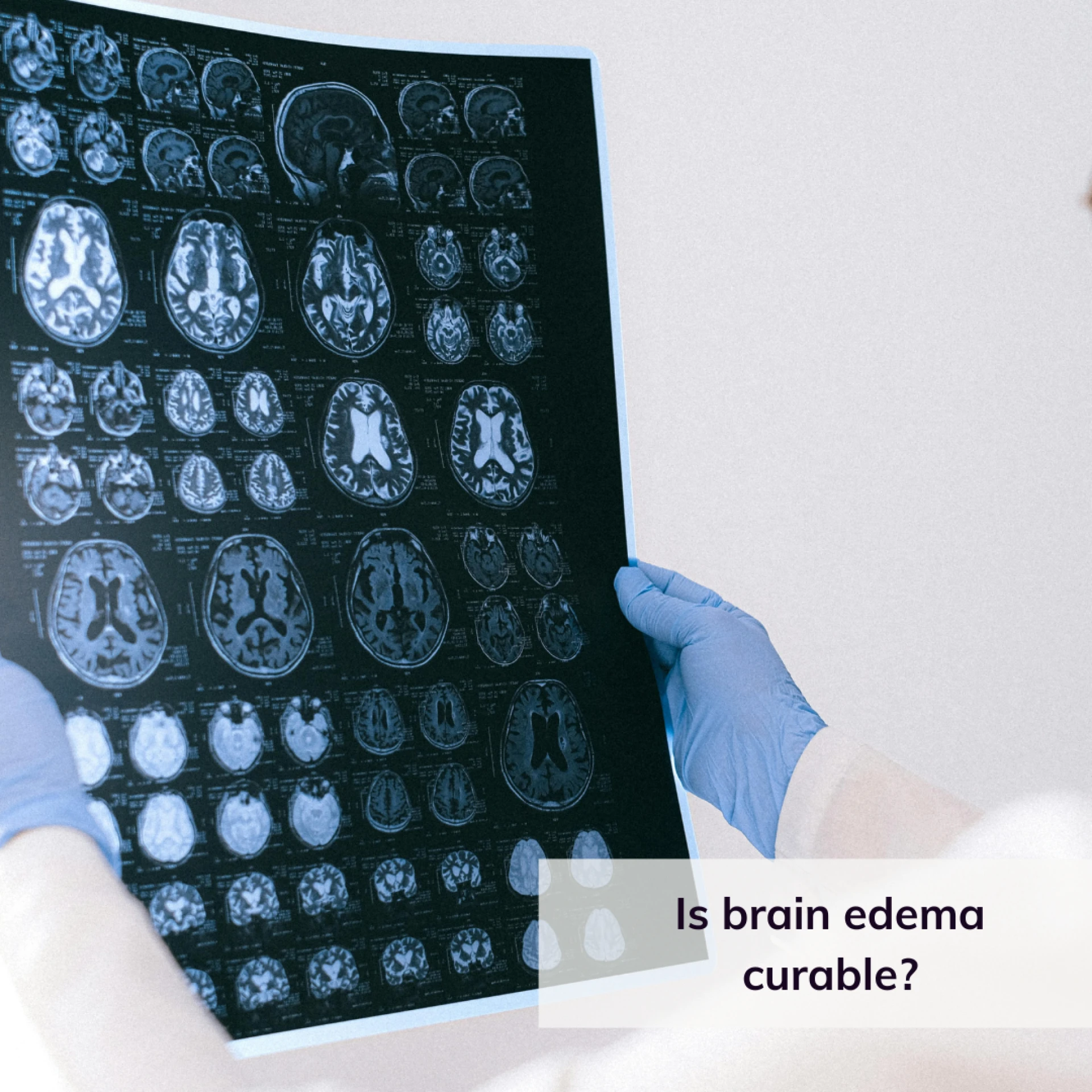
Brain edema is a serious condition. It happens when the brain swells due to injury or illness. Many people ask, “Is brain edema curable?” The answer depends on the type, cause and how early it is detected
In this article, we explore what is brain edema, its causes, types, symptoms, and treatment options. If you are searching for answers or care options, this article will help you take an informed step forward. You’ll also learn when to consult a neurosurgeon in Delhi or a trusted spine doctor in Delhi.
What Is Brain Edema?
Brain edema, also known as cerebral edema, is a condition where fluid builds up in the brain. This causes the brain to swell. When this happens pressure inside the skull increases. The swelling can damage brain tissue and affect body functions
Brain edema meaning in Hindi is “मस्तिष्क की सूजन”. It is a medical emergency. Quick care can improve brain edema recovery
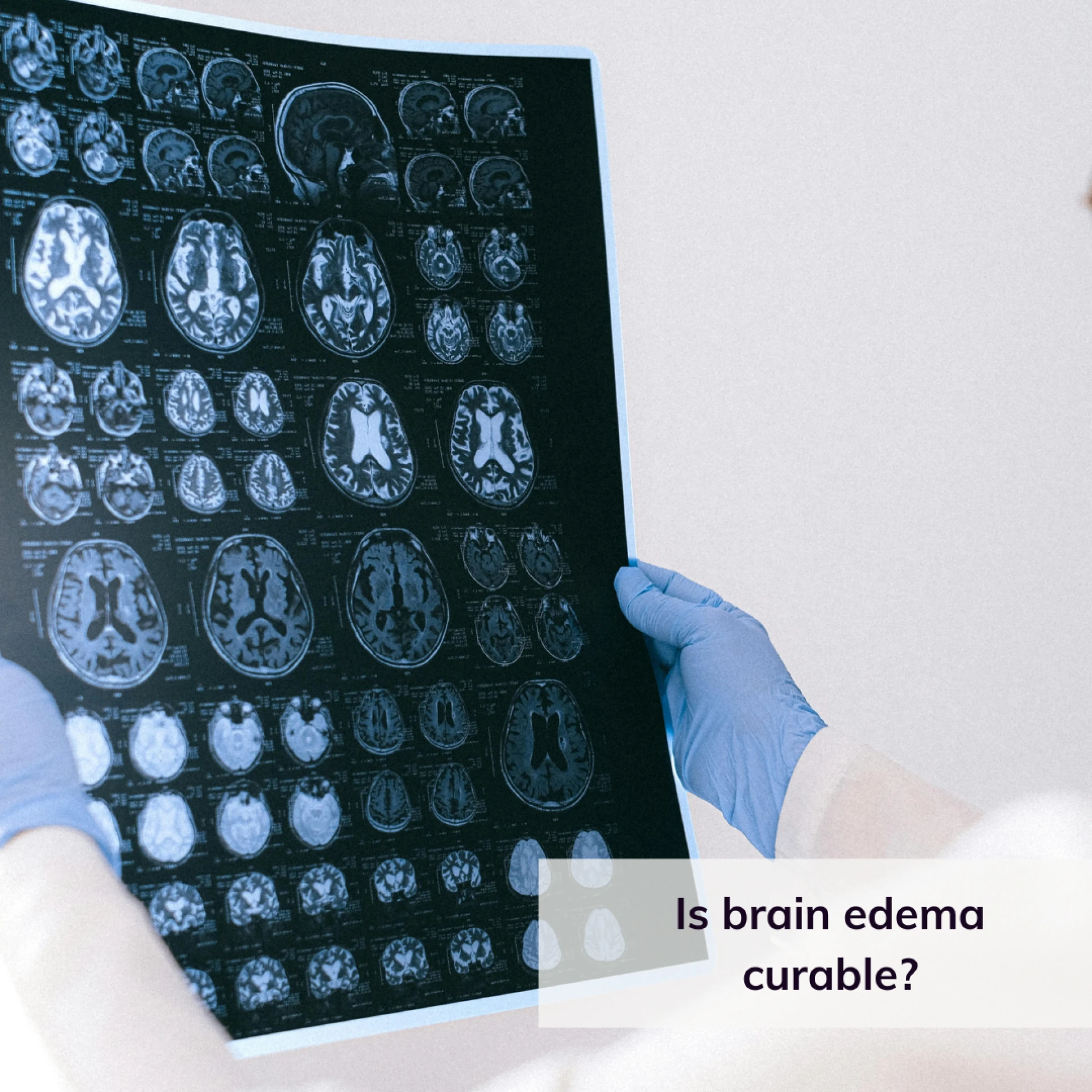
Brain Edema Causes: What Triggers the Swelling?
Brain edema can happen due to many reasons. Some of the most common causes include:
- Traumatic brain injury (TBI)
- Stroke or brain hemorrhage
- Infections like meningitis or encephalitis
- Brain tumors
- High altitude sickness
- Toxic exposure
- Liver or kidney failure
- Cardiac arrest or oxygen deprivation
Each of these causes affects the brain differently. But the result is the same: swelling that increases pressure inside the head.
Types of Brain Edema: A Closer Look
There are different types of brain edema. Each type has a unique cause and treatment method. Knowing the types of edema in brain helps doctors give proper care.
Vasogenic Edema : This is the most common type. It happens when the blood-brain barrier breaks. This allows fluid to leak into the brain tissue. It often occurs due to tumors or trauma.
Cytotoxic Edem : Here, brain cells swell due to lack of oxygen. It usually occurs after stroke, cardiac arrest, or poisoning.
Interstitial Edema : This type happens when cerebrospinal fluid (CSF) leaks into brain tissue. It’s seen in hydrocephalus (fluid buildup in the brain).
Osmotic Edema : Caused by a sudden imbalance in fluid levels in the body. It can happen during kidney failure or electrolyte disturbance.
Understanding the exact type is key to planning treatment. A ct brain cerebral edema scan helps doctors find the cause and type of swelling.
Symptoms of Brain Edema: What to Watch For
Symptoms of brain edema depend on where the swelling is and how severe it is. The signs may include:
- Headache, often severe and constant
- Nausea or vomiting
- Confusion or drowsiness
- Seizures
- Loss of consciousness
- Weakness in limbs
- Trouble speaking or understanding
- Vision problems
If any of these symptoms appear suddenly, seek medical help fast. Early care supports faster brain edema recovery.
Diagnosis: How Is Brain Edema Found?
Doctors use tools like CT scans and MRI to diagnose brain edema. A CT brain cerebral edema scan shows areas where fluid is collecting. Blood tests may also help find the cause.
Doctors also check brain pressure using special monitoring devices in some cases.
Is Brain Edema Curable? The Answer Explained
Now let’s answer the key question—Is brain edema curable?
Yes, brain edema is treatable in many cases. The outcome depends on these factors:
- Cause of the swelling
- Location of edema
- Speed of diagnosis
- Age and overall health of the patient
Treatment Options: How Doctors Manage Brain Edema
Let’s go through the major treatment steps for curing brain edema.
1. Medications to Reduce Swelling
Doctors often use steroids or osmotic agents like mannitol to pull excess fluid out of the brain. Diuretics may also be used.
These medicines reduce pressure and prevent further brain damage.
2. Surgical Relief in Critical Cases
If swelling is dangerous, a neurosurgeon in Delhi may perform surgery to remove part of the skull (decompressive craniectomy). This gives the brain space to expand without damage.
Some surgeries may also target tumors or blood clots.
3. Oxygen and Ventilation Support
Low oxygen can make edema worse. Patients may receive oxygen or need a ventilator to ensure the brain gets enough oxygen.
4. Control of Underlying Condition
If the cause is an infection, antibiotics are given. If a tumor is the cause, further neurosurgery or chemotherapy may be required.
Recovery and Aftercare: What to Expect
Recovery varies based on the damage. Some people recover fully, especially if the swelling is treated early. Others may have lasting effects like memory loss or speech problems.
Aftercare includes:
- Physical therapy
- Speech therapy
- Regular monitoring
- Lifestyle changes
The good news is that many people do make a full recovery, especially when treated by a neurosurgery specialist in Delhi.
Conclusion
Brain edema is a serious but treatable condition. The key is early diagnosis, accurate classification, and expert care. Whether it’s managing brain edema causes, understanding types of brain edema, or following up after surgery, the right specialist makes a difference.
The Centre for Brain and Spine is a trusted facility. We offer comprehensive treatment. From CT scans to surgical care, our centre has advanced tools and top neurosurgery specialists in Delhi. We also provide long-term support and rehabilitation to help patients return to normal life.
Reach out to Centre for Brain and Spine—where your brain health comes first.