
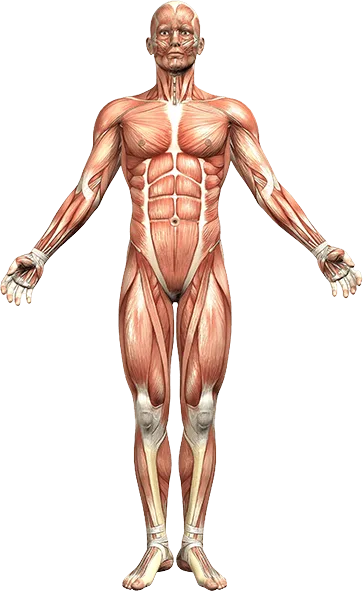
AR is not superior to cadaver based learning in realism, but it is stronger for repeatable spatial visualization and structured review. Cadaver study provides authentic human exposure. Augmented reality provides immersive anatomical exploration that learners can repeat consistently. The most effective approach depends on how learners combine both methods to support understanding.
Students often explore an ar anatomy course when traditional resources do not fully support three dimensional orientation. Textbook diagrams remain flat. Lab sessions are time limited. Once dissection progresses, intact anatomical views are no longer available. Learners who need consistent spatial reference look for reinforcement that supports clarity without replacing foundational training.
Is AR anatomy better than cadaver based learning?
AR strengthens structured visualization and controlled repetition. Cadaver labs provide real tissue exposure and natural anatomical variation. Each method addresses a distinct educational purpose. A direct comparison shows how realism and repeatability contribute differently to anatomy learning.
What is the difference between AR anatomy and cadaver learning?
Cadaver based learning grounds anatomy in physical experience. Students observe depth, texture, and variation directly. This experience reinforces professional awareness and respect for human structure. However, access depends on lab scheduling, and once a region is dissected, students cannot restore it to its intact form for review.
An ar anatomy course enables learners to project anatomical systems into real space and examine them interactively. Students rotate structures, isolate layers, and observe relationships from multiple perspectives. This immersive visualization provides a consistent reference point during study sessions.
Core Differences in Learning Function
Cadaver learning delivers:
• Authentic exposure to real anatomical variation.
• Hands on engagement with human tissue.
• Foundational professional development.
Augmented reality delivers:
• Repeatable access to intact anatomical systems.
• Adjustable spatial perspectives.
• Consistent visual presentation across sessions.
Realism comes from cadavers. Repeatability comes from immersive visualization.
Immersive Visualization and Spatial Orientation
Anatomy requires understanding how structures relate within confined spaces. Learners must identify pathways, boundaries, and positional relationships. MedTable AR focuses on immersive anatomical visualization designed specifically for structured educational exploration. Students view systems in context rather than as isolated diagrams.
Interactive control allows repeated examination of complex regions. Instead of relying on a single exposure, learners maintain access to the same structural view throughout ongoing study. This consistency supports clearer orientation during the learning process.
Accessibility and Study Continuity
Cadaver labs operate within fixed time blocks. Digital visualization allows preparation before lab and review afterward. Students approach dissection with clearer spatial awareness and maintain structured reference once lab sessions end.
This continuity supports steady progress. Study does not depend on a single encounter with a specimen.
Practical Comparison Checklist
When evaluating learning methods, consider:
• Do I need repeatable access to intact anatomical systems?
• Do I value direct exposure to real tissue?
• Do I want consistent spatial reference during review?
• Do I need interactive exploration beyond scheduled lab hours?
These answers clarify how each method supports individual study needs.
Clear Takeaway
● Cadaver study provides realism and exposure to natural variation.
● Augmented reality provides repeatable immersive visualization.
Combined use supports structured anatomical exploration and spatial clarity.
AR does not replace cadaver based learning. It strengthens repeatability and consistent visual reference. Learners who integrate traditional lab experience with a carefully implemented ar anatomy course gain both authentic exposure and controlled interactive review. A balanced approach recognizes that realism and repetition serve complementary roles in anatomy education.