Air conditioning systems have become essential components of modern life, quietly maintaining comfortable indoor environments while we focus on work, relaxation, and daily activities. However, the effectiveness of these systems depends heavily on one often-overlooked component that determines cooling performance, energy efficiency, and long-term reliability. The evaporator coil represents the heart of any air conditioning system, and its design directly impacts everything from monthly utility bills to equipment lifespan and indoor comfort quality.
Understanding Evaporator Coil Fundamentals
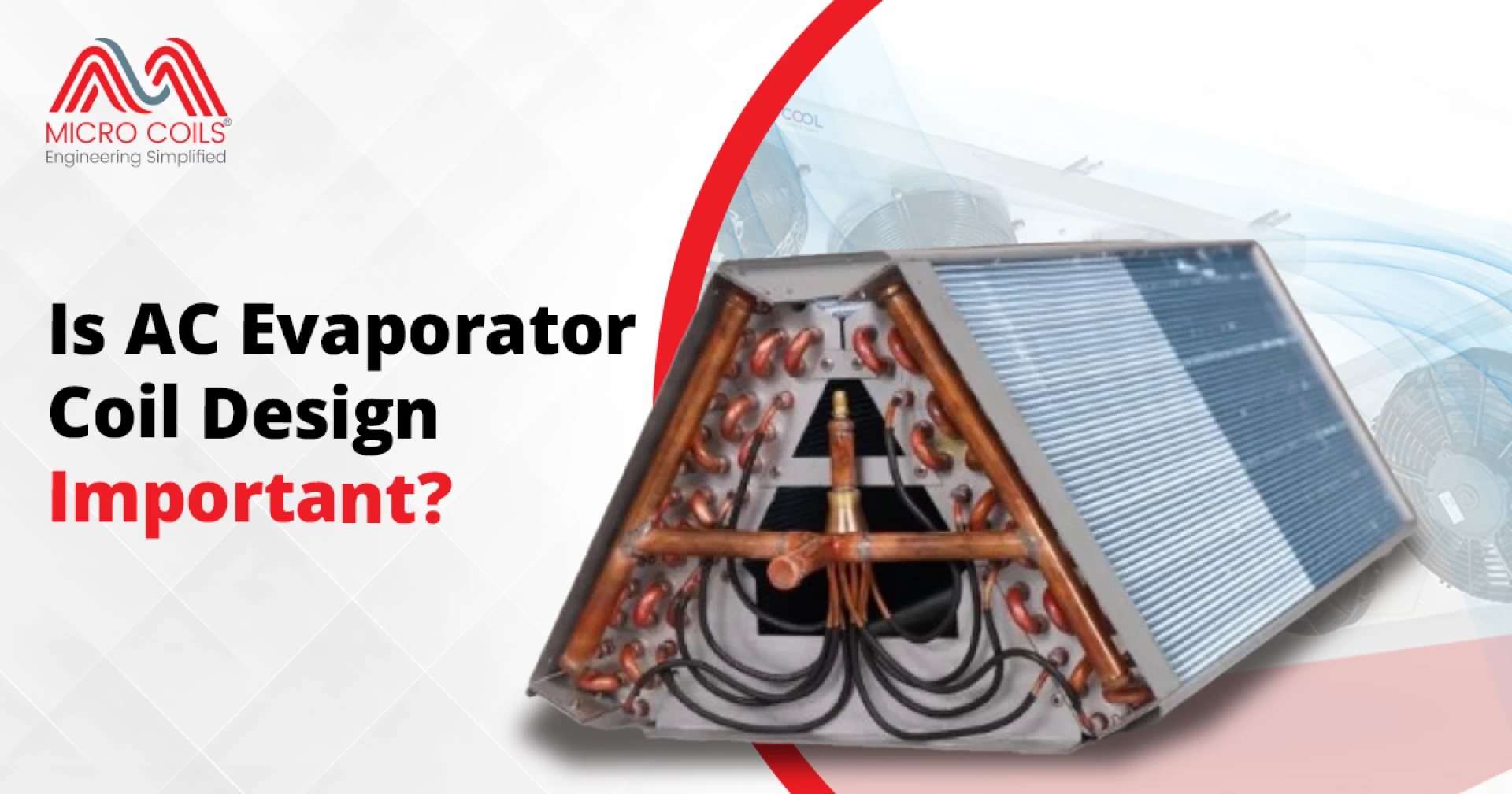
The evaporator coil serves as the primary heat absorption component in air conditioning systems, transforming liquid refrigerant into vapor while extracting thermal energy from indoor air. This phase change process requires precise engineering to maximize heat transfer efficiency while maintaining proper refrigerant flow distribution throughout the coil structure. Design parameters including tube diameter, fin spacing, coil geometry, and material selection all contribute to overall system performance in ways that aren't immediately apparent to most users.
Modern evaporator coils typically utilize copper tubing for refrigerant passages combined with aluminum fins that increase surface area for heat transfer. The relationship between these components requires careful optimization, as changes in one parameter inevitably affect others. For example, increasing fin density improves heat transfer but also increases air pressure drop across the coil, potentially reducing airflow and negating thermal performance gains.
Heat Transfer Efficiency Considerations
Effective heat transfer depends on multiple factors that skilled engineers must balance during coil design processes. Surface area represents one of the most obvious parameters, with larger coils generally providing better heat transfer capabilities. However, simply increasing coil size isn't always practical due to space constraints, cost considerations, and diminishing returns beyond optimal dimensions for specific applications.
Air velocity across coil surfaces significantly impacts heat transfer coefficients, with higher velocities generally improving thermal performance up to a point where pressure losses become counterproductive. Coil designers must consider fan power requirements and system efficiency when optimizing air-side heat transfer characteristics. Additionally, refrigerant-side heat transfer depends on proper tube sizing, internal surface enhancement, and refrigerant distribution that ensures uniform flow throughout the coil circuit.
Impact on System Performance
Poor evaporator coil design creates cascading effects throughout the entire air conditioning system that often manifest as higher operating costs, reduced comfort, and premature equipment failure. Inadequate heat transfer surface area forces compressors to work harder, increasing energy consumption while reducing cooling capacity. This mismatch between coil capacity and system requirements often leads to short cycling, where the system turns on and off frequently instead of running steady cycles that optimize efficiency.
Recommended Read - The Essential Guide: Difference Between Condenser and Evaporator
Temperature and humidity control suffer when evaporator coils can't effectively remove both sensible and latent heat from indoor air. Oversized coils may cool air too quickly without adequate moisture removal, resulting in cold, clammy conditions that feel uncomfortable despite achieving target temperatures. Conversely, undersized coils struggle to maintain desired temperatures during peak cooling loads, leading to hot spots and inconsistent comfort throughout conditioned spaces.
Material Selection and Durability
Coil materials must withstand years of exposure to moisture, temperature cycling, and potentially corrosive indoor air contaminants while maintaining structural integrity and thermal performance. Copper tubing offers excellent thermal conductivity and corrosion resistance but costs more than aluminum alternatives. Some manufacturers use all-aluminum construction to reduce costs, but this approach may compromise long-term durability in certain applications.
Fin materials and coatings play crucial roles in maintaining coil performance over time. Standard aluminum fins work well in most applications, but specialized coatings can improve corrosion resistance in coastal areas or industrial environments where airborne contaminants accelerate deterioration. Pre-coated fins cost more initially but often provide better long-term value through extended service life and maintained performance.
Airflow and Pressure Drop Optimization
AC cooling coil design must carefully balance heat transfer enhancement with acceptable pressure losses that don't overload fan systems or reduce airflow below required levels. Fin geometry including louver designs, surface textures, and spacing patterns all influence both heat transfer coefficients and air pressure drop characteristics. Advanced computational fluid dynamics modeling helps engineers optimize these parameters during design phases rather than relying on trial-and-error approaches.
Face velocity represents another critical design parameter that affects both thermal performance and pressure drop. Higher face velocities improve heat transfer but increase pressure losses exponentially, requiring more powerful fans that consume additional energy. Optimal face velocities depend on specific application requirements, with residential systems typically operating at lower velocities than commercial installations where higher performance densities justify increased fan power consumption.
Refrigerant Distribution and Circuiting
Proper refrigerant distribution ensures uniform heat transfer across the entire coil surface while preventing performance-robbing issues like refrigerant maldistribution or pressure imbalances. Coil circuiting design determines how refrigerant flows through individual tubes, with options ranging from simple serpentine patterns to complex parallel circuits that optimize pressure drop and heat transfer characteristics.
Recommended Read - Everything You Need to Know About Identifying Four Types of Coils
Multi-circuit designs allow better refrigerant distribution but require careful header design to ensure equal flow through each circuit. Poor header design can result in some circuits receiving more refrigerant than others, creating hot and cold spots that reduce overall coil effectiveness. Advanced design techniques including computational modeling and experimental validation help engineers optimize refrigerant distribution for maximum performance and reliability.
Integration with System Components
Evaporator coil design can't be considered in isolation from other system components including the AC condenser coil, expansion devices, and control systems. The evaporator and condenser must be properly matched to ensure optimal refrigerant cycle performance across all operating conditions. Mismatched components often result in poor efficiency, capacity losses, and reliability problems that become apparent only after installation and operation.
Expansion device selection depends on evaporator coil characteristics including internal volume, pressure drop, and superheat requirements. Thermostatic expansion valves require different coil designs than electronic expansion valves, with each approach offering distinct advantages and limitations. System designers must consider these interactions during component selection to ensure optimal overall performance.
Advanced Design Technologies
Modern coil design incorporates sophisticated technologies that weren't available to earlier generations of engineers. Microchannel heat exchangers represent one promising development that uses parallel flow tubes with small hydraulic diameters to improve heat transfer while reducing refrigerant charge requirements. These designs offer significant performance advantages but require specialized manufacturing techniques and careful attention to refrigerant distribution.
Adiabatic cooling principles influence some advanced evaporator designs that incorporate pre-cooling techniques to improve overall system efficiency. While not directly applicable to traditional DX evaporator coils, these concepts inspire innovative approaches to coil design that maximize heat transfer while minimizing energy consumption. Research continues into biomimetic designs inspired by natural heat transfer mechanisms that could revolutionize future coil technologies.
Manufacturing Quality and Consistency
Even excellent designs fail to deliver expected performance if manufacturing processes don't maintain tight quality control standards. Tube-to-fin bonding represents one critical manufacturing parameter that directly affects heat transfer performance. Poor bonding creates thermal resistance that reduces coil effectiveness, while excessive bonding pressures can damage thin fins or create stress concentrations that lead to premature failure.
Brazing quality for tube joints and headers must meet stringent standards to prevent refrigerant leaks that compromise system performance and reliability. Advanced manufacturing techniques including automated brazing systems and non-destructive testing help ensure consistent quality across production runs. However, cost pressures sometimes encourage shortcuts that sacrifice long-term performance for short-term savings.
Impact on Energy Efficiency
Energy efficiency regulations continue tightening worldwide, making evaporator coil design increasingly important for meeting minimum performance standards. High-efficiency coils often incorporate advanced fin geometries, enhanced tube surfaces, and optimized circuiting that improve heat transfer while minimizing pressure losses. These design improvements can increase coil costs significantly but provide long-term energy savings that justify higher initial investments.
Recommended Read - Everything You Need to Know About AC Heat Exchangers
System efficiency ratings including SEER, EER, and IEER depend heavily on evaporator coil performance under various operating conditions. Coils that perform well at standard rating conditions may struggle during extreme weather or part-load operation, affecting real-world efficiency and customer satisfaction. Advanced testing protocols help identify these performance variations during product development rather than after market introduction.
Future Design Trends
Emerging technologies including variable-speed compressors, advanced refrigerants, and smart controls create new opportunities and challenges for evaporator coil design. Variable-capacity systems require coils that perform well across wide operating ranges rather than just at peak conditions. New refrigerants may have different thermodynamic properties that require coil design modifications to maintain performance and efficiency.
Sustainability considerations increasingly influence coil design decisions as manufacturers seek to reduce environmental impacts throughout product lifecycles. This includes selecting recyclable materials, minimizing refrigerant charge requirements, and designing for easy disassembly at end-of-life. These requirements add complexity to design processes but align with broader industry trends toward environmental responsibility.
Conclusion: Design Excellence Matters
The answer to whether AC evaporator coil design is important becomes overwhelmingly clear when considering the wide-ranging impacts of engineering decisions made during product development. Well-designed coils deliver years of reliable, efficient operation while providing consistent comfort and reasonable operating costs. Poor designs create problems that persist throughout system life, affecting energy bills, maintenance requirements, and user satisfaction in ways that often aren't traced back to fundamental design shortcomings.
Investing in quality coil design pays dividends through improved system performance, lower energy consumption, and enhanced reliability that benefits manufacturers, contractors, and end users alike. As energy efficiency requirements continue increasing and customer expectations rise, the importance of excellent evaporator coil design will only grow, making it a critical factor in air conditioning system success.