Your backyard pool is meant to be a place of joy — weekend splashes, summer barbecues, and laughter echoing across the lawn. But lurking beneath that sparkling water could be a silent danger that many Melbourne homeowners overlook entirely: a faulty pool drain. While it may seem like a minor plumbing concern, a damaged or poorly maintained pool drain can pose serious safety risks to your family, particularly young children. Understanding these risks and knowing when to act could make all the difference between a fun-filled summer and a devastating tragedy.
What Does a Pool Drain Actually Do?
Before diving into the dangers, it helps to understand what your pool drain is responsible for. A Pool Drain Melbourne homeowners rely on — also called a main drain or suction outlet — sits at the deepest point of your pool and plays a crucial role in the circulation and filtration system. It draws water from the pool floor and sends it through the pump and filter, keeping your water clean, balanced, and safe to swim in.
Most Melbourne pools have either a single main drain or dual main drains, along with multiple skimmer drains positioned at the waterline. Together, these components ensure consistent water flow. When one or more drains malfunction, the consequences go far beyond poor water quality. The risks become physical, immediate, and potentially life-threatening.
The Hidden Dangers of a Faulty Pool Drain
1. Suction Entrapment — The Most Deadly Risk
Perhaps the most terrifying hazard associated with a faulty pool drain is suction entrapment. This occurs when a drain cover is cracked, missing, or improperly fitted, creating a powerful vacuum-like force that can trap a swimmer against the drain. The suction is strong enough to prevent even a healthy adult from pulling free unaided.
Children are especially vulnerable. Their smaller body size, lighter weight, and natural curiosity put them in far greater danger. Hair entrapment, limb entrapment, and body entrapment are all documented forms of this hazard, and tragically, incidents have resulted in serious injuries and deaths in Australian backyards. This is not a risk to take lightly — not even for a single swimming season.
2. Evisceration Injuries
As disturbing as it sounds, evisceration injuries — where intestinal organs are pulled out through the rectum due to extreme suction pressure — have been recorded in cases involving uncovered or broken pool drains. These incidents are rare but real, and they most commonly affect children sitting or hovering over an open or damaged drain. An intact, correctly fitted drain cover with anti-entrapment design is the only line of defence against this horrific outcome.
3. Drowning Risk from Entrapment
When a swimmer becomes trapped against a faulty drain, they cannot surface for air. Even in shallow water, suction entrapment can lead to drowning within seconds. Panicked family members attempting a rescue may themselves become trapped or injured. The force generated by a pool pump on a compromised drain is surprisingly powerful — far beyond what most people imagine.
4. Electrical Hazards
A cracked or broken pool drain that allows water to seep into surrounding infrastructure can create dangerous conditions for electrical components near or beneath the pool. Melbourne's older pool installations in particular may have outdated wiring that is already more vulnerable to moisture-related damage. Water and electricity are a fatal combination, and a deteriorating drain system can accelerate the risk of electrical faults near your pool area.
5. Poor Water Circulation and Health Risks
Beyond physical entrapment, a faulty drain compromises your pool's filtration system. When water isn't circulating properly, it becomes stagnant in certain zones. Stagnant pool water is a breeding ground for bacteria including Pseudomonas, E. coli, and Cryptosporidium — all of which can cause serious gastrointestinal illnesses, skin infections, and ear infections in swimmers. Children and elderly family members are most susceptible to waterborne illnesses caused by poor pool hygiene.
Signs Your Melbourne Pool Drain May Be Faulty
Many pool drain problems develop gradually, which is why they often go unnoticed until something goes seriously wrong. Here are the warning signs every Melbourne pool owner should watch for:
- Visible cracks or breaks in the drain cover — Even hairline fractures can compromise the structural integrity of the cover and increase suction risks.
- Missing or loose drain cover — A drain without a properly secured cover is an immediate hazard and must be addressed before the pool is used again.
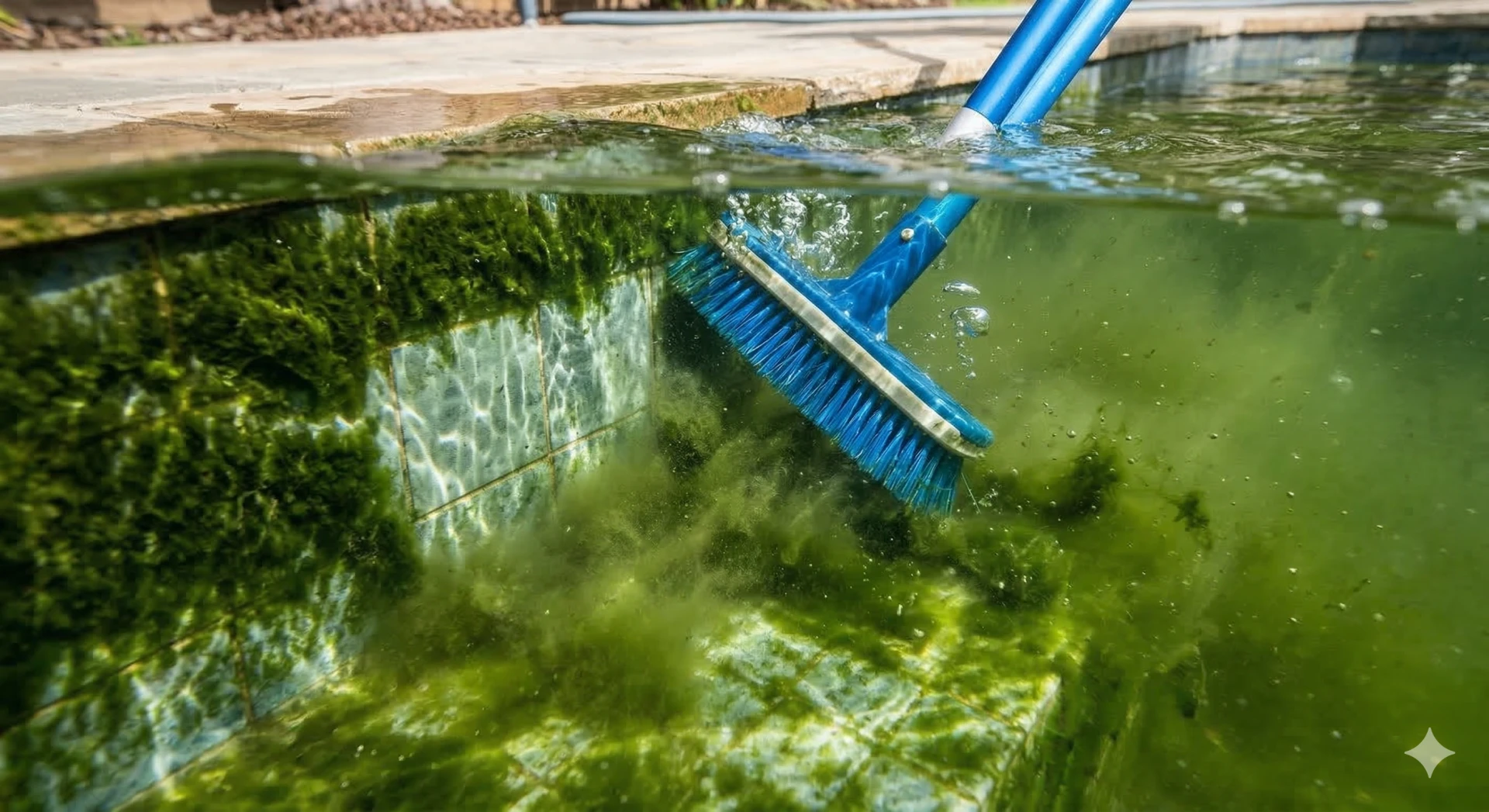
- Reduced water circulation — If your pool water looks cloudy or algae is forming despite regular chemical treatment, poor drain function may be the cause.
- Unusual suction near the drain — If swimmers notice stronger-than-normal pulling at the drain, this is a red flag that should not be ignored.
- Unexplained water loss — A steady drop in pool water level beyond normal evaporation could indicate a drain leak beneath the pool shell.
- Gurgling or rattling noises from the pump — These sounds can indicate that air is entering the system through a compromised drain, disrupting normal water flow.
If you notice any of these signs, stop using the pool immediately and contact a licensed pool technician in Melbourne for a thorough inspection.
What Australian Safety Standards Say
Australia has strict standards in place to protect pool users from drain-related hazards. The Australian Standard AS 1926.3 specifically covers water recirculation systems for swimming pools and outlines requirements for suction outlet fittings. Pool drain covers must be anti-entrapment by design, properly secured, and regularly inspected for wear and damage.
In Victoria, pool safety regulations also require homeowners to maintain their pool and associated equipment in safe working order. Failure to do so not only puts your family at risk — it could also expose you to legal liability if a guest or visitor is injured as a result of a negligent pool drain.
If your pool is more than ten years old and has never had its drain covers inspected or replaced, there is a strong chance your current fittings do not meet modern safety standards. Upgrading them is not an optional exercise — it is an essential responsibility.
What to Do If You Suspect a Faulty Pool Drain
Step 1: Stop swimming immediately. Until your drain has been assessed by a qualified professional, no one should enter the pool. This is non-negotiable, particularly where children are involved.
Step 2: Turn off the pool pump. Switching off the pump reduces the suction pressure at the drain, minimising the immediate hazard while you wait for an inspection.
Step 3: Contact a licensed Melbourne pool technician. Look for a technician with experience in pool plumbing and drain safety compliance. Ask specifically whether your drain covers meet AS 1926.3 standards and whether dual drains are installed to reduce entrapment risk.
Step 4: Document the damage. Before repairs begin, photograph the condition of your drain for your records. This is useful for insurance purposes and to ensure accountability for the repair work completed.
Step 5: Schedule regular maintenance. Once your drain is repaired or replaced, commit to an annual inspection schedule. A professional pool service in Melbourne should check drain covers, pump function, and suction outlet condition at least once a year — ideally before summer begins.
Protect Your Family Before It's Too Late
The truth is, most Melbourne families don't think about their pool drain until something goes wrong. But by that point, the consequences can be irreversible. A cracked cover, a missing fitting, or an outdated drain system is not just an inconvenience — it is a genuine threat to the lives of the people you love most.
Your pool should be a source of joy, not anxiety. By staying informed, watching for warning signs, and investing in professional pool drain maintenance, you can ensure that every swim in your Melbourne backyard is a safe one. Don't wait for a close call to take action. Check your pool drain today — because your family's safety is always worth it.