
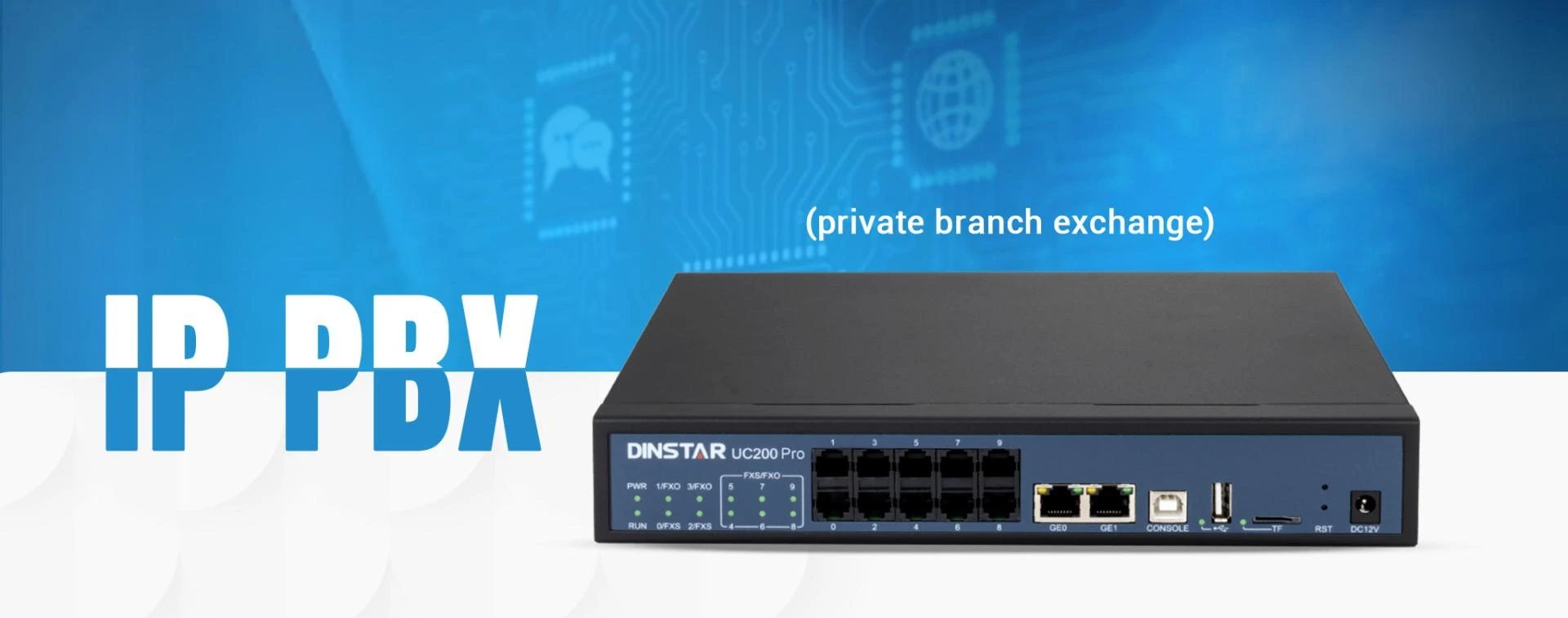
In today’s fast-paced business environment, communication systems play a critical role in driving efficiency, collaboration, and customer satisfaction. Traditional PBX (Private Branch Exchange) systems, which relied on physical phone lines and hardware, are rapidly being replaced by IP PBX systems. Internet Protocol Private Branch Exchange (IP PBX) is a modern telephony solution that routes voice, video, and multimedia communications over the internet or private IP networks.
With organizations moving toward digital transformation, IP PBX has become a preferred choice due to its flexibility, cost-effectiveness, and advanced features. This blog explores what IP PBX is, how it works, and why it is vital for modern businesses.
What is an IP PBX?
An IP PBX is a business telephone system that manages internal and external calls using VoIP (Voice over Internet Protocol) technology. Unlike traditional PBX, which required dedicated copper lines, IP PBX uses the internet to transmit voice and multimedia data.
It serves as a central switching system for handling communication between VoIP users, traditional phone lines, and external PSTN (Public Switched Telephone Network). This ensures seamless communication, whether the call is internal (within the company) or external (with customers and vendors).
How Does IP PBX Work?
An IP PBX system consists of three main components:
- SIP Phones – These can be physical IP phones or softphones installed on computers and mobile devices.
- IP PBX Server – The core system that manages call routing, switching, and advanced features like voicemail, conferencing, and auto-attendant.
- VoIP Gateways – Allow integration with traditional telephone lines or older analog systems when required.
Here’s a simple flow: when a call is made, the IP PBX server identifies the recipient (internal extension or external number) and routes the call via VoIP or PSTN. This provides flexibility and ensures smooth communication across different platforms.
Key Features of IP PBX
Modern IP PBX systems come packed with features that enhance communication efficiency and productivity:
- Call Routing and Forwarding – Intelligent call distribution ensures that calls are never missed.
- Voicemail to Email – Converts voicemails into audio files and sends them directly to the user’s inbox.
- IVR (Interactive Voice Response) – Allows businesses to set up automated menus for incoming calls.
- Conference Calling – Enables audio and video conferencing with multiple participants.
- Remote Extensions – Employees can connect from anywhere using mobile apps or softphones.
- Scalability – Easily add or remove extensions without major hardware changes.
- Security – Encryption and firewall protection safeguard communications against cyber threats.
Benefits of Using IP PBX for Businesses
1. Cost Savings
One of the primary advantages of IP PBX is the reduction in communication costs. Since calls are routed over the internet, businesses save significantly on long-distance and international calls. Maintenance and infrastructure costs are also lower compared to traditional PBX systems.
2. Flexibility and Scalability
IP PBX systems are highly scalable. Whether you’re a small business or a large enterprise, you can add new extensions or features as your business grows without replacing existing infrastructure.
3. Mobility and Remote Work Support
With the rise of remote work, IP PBX allows employees to connect from anywhere using mobile apps or laptops. This ensures business continuity even outside the office.
4. Improved Customer Experience
Features like call queuing, IVR menus, and intelligent call routing ensure that customer queries are handled efficiently. This improves response times and enhances customer satisfaction.
5. Unified Communications
IP PBX integrates with other tools such as video conferencing, instant messaging, and CRM systems, providing a unified communication platform for businesses.
Use Cases of IP PBX
- Small Businesses – Cost-efficient and easy to scale as the business grows.
- Call Centers – Advanced call routing, reporting, and monitoring tools.
- Enterprises – Unified communication across multiple branches and remote teams.
- Educational Institutions – Simplifies internal and external communication between departments.
- Healthcare Industry – Ensures reliable communication between staff, patients, and emergency services.
The Future of IP PBX
As businesses increasingly adopt cloud technologies, the future of IP PBX lies in Hosted and Cloud PBX systems. These eliminate the need for on-site servers, offering even greater flexibility and reduced maintenance costs. AI-powered features, such as smart call analytics and virtual assistants, will further enhance communication capabilities.
Conclusion
The shift from traditional PBX to IP PBX represents a significant leap in business communication. By combining cost savings, scalability, mobility, and advanced features, IP PBX empowers organizations to stay connected, productive, and competitive in a digital-first world.