Choosing between braces and Invisalign can feel overwhelming, especially if you're starting orthodontic treatment as an adult. While both options are designed to straighten teeth and improve bite alignment, they differ in appearance, comfort, maintenance, and lifestyle impact.
If you're considering Invisalign in Vancouver,WA understanding the advantages and limitations of each treatment can help you make a more informed decision with your dental provider.
Invisalign vs Braces: A Quick Comparison
Both traditional braces and Invisalign aligners gradually move teeth into better positions using controlled pressure. The biggest difference is how they achieve that movement.
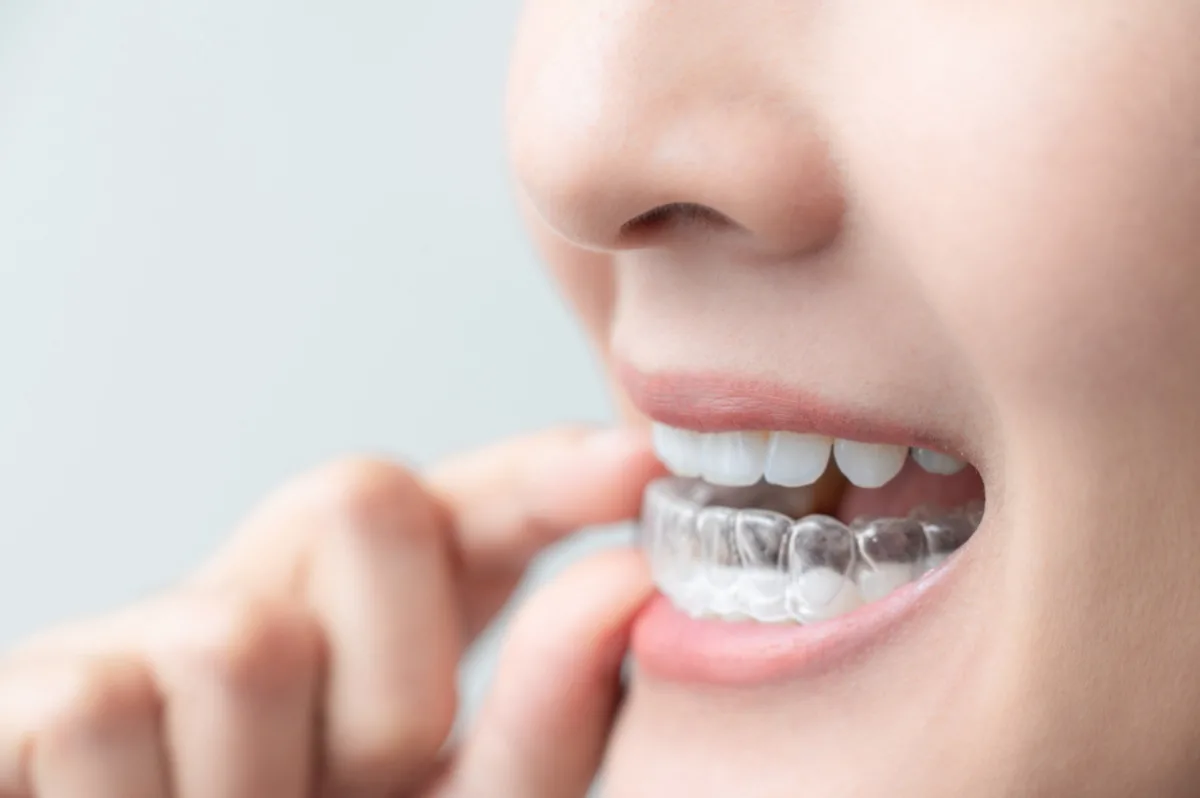
Traditional braces use metal brackets and wires that stay attached throughout treatment. Invisalign uses a series of clear, removable aligners custom-made for your teeth.
The best option depends on your oral health, treatment goals, and the complexity of your case.
Which Option Looks Better?
For many adults, appearance is one of the biggest deciding factors.
Invisalign
Clear aligners are nearly invisible when worn, making them popular among working professionals and people who prefer a discreet treatment.
Traditional Braces
Although modern braces are smaller than older designs, the brackets and wires are still visible when smiling or speaking.
Adults who value aesthetics often choose Invisalign because it blends naturally into daily life.
Comfort and Daily Convenience
Both treatments require an adjustment period, but the experience differs.
Invisalign aligners have smooth plastic edges that generally reduce irritation inside the mouth. Since they are removable, eating and brushing remain relatively simple.
Braces cannot be removed and may occasionally cause soreness from brackets or wires rubbing against the cheeks or lips. Certain sticky or hard foods also need to be avoided throughout treatment.
Patients with busy lifestyles often appreciate the flexibility offered by clear aligners.
Which Works Faster?
Treatment time varies based on individual needs.
Mild to moderate alignment issues may respond well to Invisalign, provided the aligners are worn for the recommended 20 to 22 hours each day.
More complex cases involving significant bite correction or severe crowding may still benefit from traditional braces because they provide continuous force and greater control.
Your orthodontic evaluation will determine which approach is most appropriate.
Oral Hygiene Is Easier with Invisalign
Maintaining healthy teeth and gums during orthodontic treatment is essential.
Because Invisalign trays can be removed, patients can brush and floss normally before putting them back in place.
Braces require cleaning carefully around brackets and wires, which can make plaque removal more challenging if oral hygiene routines are inconsistent.
For adults concerned about convenience, removable aligners can simplify daily dental care.
Cost Considerations
Many people assume Invisalign is always more expensive, but pricing depends on treatment complexity and duration.
In some cases, Invisalign and braces have comparable costs. Dental insurance and financing options may also influence the final investment.
A consultation with a dentist in Vancouver can provide a personalized estimate based on your needs.
Who Is a Better Candidate for Invisalign?
You may be a good candidate if you:
- Have mild to moderate spacing or crowding
- Want a discreet orthodontic solution
- Can consistently wear aligners as instructed
- Prefer fewer dietary restrictions
- Maintain good oral hygiene habits
Patients with more complex orthodontic problems may still achieve better outcomes with braces.
If you're exploring treatment options, discussing personalized clear aligner treatment options with your dental team can help determine the most suitable plan for your smile goals.
Key Takeaways
When comparing Invisalign and braces for adults:
- Invisalign offers a nearly invisible appearance.
- Braces may be more suitable for complex tooth movement.
- Clear aligners make brushing and flossing easier.
- Treatment success depends on following your dentist's recommendations.
- A professional evaluation is the best way to identify the right option for your individual case.
Conclusion
There is no universal winner in the Invisalign versus braces debate. Both treatments can produce excellent results when matched to the right patient and treatment plan. Your lifestyle, oral health needs, and alignment goals all play an important role in determining which option is best.
If you're interested in exploring Invisalign, scheduling a consultation with an experienced dental professional can help you understand your options and create a treatment plan tailored to your smile.
FAQs
Is Invisalign as effective as braces for adults?
For many mild and moderate orthodontic cases, Invisalign can achieve results similar to braces. More complex issues may still be better treated with traditional braces.
Does Invisalign hurt less than braces?
Most patients experience temporary pressure with both treatments. Invisalign generally causes less irritation because it does not use metal brackets or wires.
Can I eat normally with Invisalign?
Yes. Since the aligners are removable, you can take them out before meals and continue enjoying your usual diet.
How many hours should Invisalign be worn each day?
Most dentists recommend wearing aligners for 20 to 22 hours daily to achieve the intended results.
Can adults start orthodontic treatment at any age?
Yes. Healthy teeth and gums are typically more important than age when determining eligibility for orthodontic treatment.