

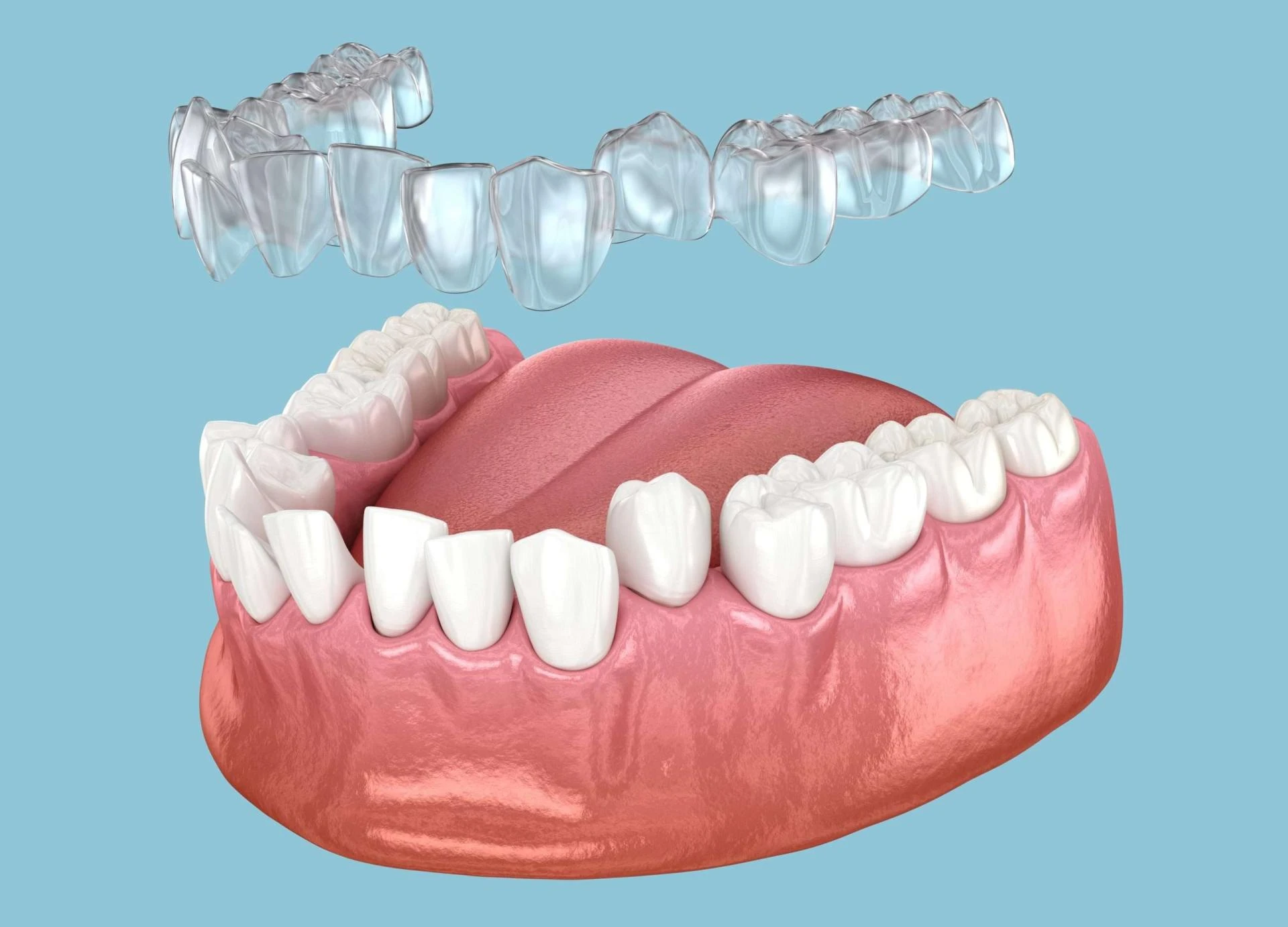
Invisalign has revolutionised orthodontics, offering a discreet and comfortable alternative to traditional metal braces. For many, it’s a game-changer. However, as with any treatment, things can go wrong from time to time, leaving you feeling frustrated and uncertain about your next steps.
Whether it’s discomfort, an unexpected issue, or your aligners not fitting quite right, you’re not alone. In this blog, we’ll explore some common Invisalign problems, what might cause them, and how to fix them. Plus, we’ll discuss when to seek the expertise of an Emergency dentist in Cambridge and whether it’s time to reach out to your Invisalign Cambridge provider.
Common Issues with Invisalign
While Invisalign is an effective treatment, it’s not uncommon for users to experience some challenges along the way. Below, we’ve outlined the most common issues people face during their Invisalign journey:
1. Discomfort and Irritation
When you first start your Invisalign treatment, or after switching to a new set of aligners, you may experience discomfort. This is normal and should subside as your teeth adjust to their new position. However, if the discomfort doesn’t go away or becomes unbearable, it could indicate a problem that needs to be addressed.
- Use Orthodontic Wax: Apply a small amount of wax to the edges of your aligners to reduce irritation.
- Pain Relief: Over-the-counter pain relievers like ibuprofen can help reduce discomfort.
- Adjust the Aligners: Sometimes, the aligners might not fit properly. If they’re causing excessive pain or discomfort, consult your Invisalign provider to ensure they’re correctly fitted.
2. Aligners Not Fitting Properly
It’s not uncommon for your aligners to feel a bit tight or loose at times. Tightness generally means that your aligners are working as they should, but if they feel too loose or don’t snap into place, it’s time to take action.
- Check for Wear and Tear: Sometimes, aligners can wear out faster than expected. Inspect for any cracks or breaks. If they’re damaged, you may need a replacement.
- Consult Your Provider: If your aligners are loose or you’ve missed a set, your Invisalign provider might recommend switching to a new tray or adjusting your treatment timeline.
3. Problems with Teeth Movement
Occasionally, the teeth may not move as quickly or as efficiently as expected. This can cause delays in your treatment or a need for additional sets of aligners.
- Wear Your Aligners as Directed: Ensure you’re wearing your aligners for the recommended 22 hours a day. Skipping this crucial step can slow down your treatment progress.
- Check for Compliance: If you’re not seeing the results you were expecting, it’s important to discuss this with your Invisalign provider. They may need to adjust your treatment plan or provide additional aligners.

In the early stages of treatment, some people find it difficult to adjust to wearing the aligners for long periods. It can feel like a foreign object in your mouth, especially if you're not used to having something that needs to be removed every time you eat or drink.
- Gradual Adjustments: Try wearing your aligners for shorter periods at first and gradually increase the time. This can help your mouth adjust more comfortably.
- Remind Yourself of the Benefits: Invisalign offers the benefits of being discreet and comfortable when worn correctly. Keep in mind the long-term advantages of a better smile.
5. Invisalign Attachments Coming Off
Some cases require the use of small, tooth-coloured attachments placed on your teeth to help the aligners grip and move your teeth into place. These attachments can occasionally come off, especially if they aren’t applied properly or if too much force is applied.
What You Can Do:
- Call Your Provider: If any attachments come loose, don’t try to fix them yourself. Contact your Invisalign Cambridge provider to have them reattached.
- Follow Up: Make sure that any new attachments are properly placed and secured.
When Should You Call an Emergency Dentist?
In some cases, an Emergency dentist in Cambridge may be necessary. But how do you know when it's time to get immediate dental attention?
Here are some instances when you should seek urgent care:
1. Severe Pain or Discomfort
If you’re experiencing intense pain that doesn’t improve after a few hours, it’s important to contact your dentist or Invisalign Cambridge provider. This could indicate a more serious problem, such as an infection or an issue with the aligner fit.
2. Damage to Aligners or Attachments
If your aligners are cracked or attachments have come loose, it can interfere with the effectiveness of your treatment. While it may not always be an emergency, it’s crucial to get them fixed as soon as possible to avoid delays in your progress.
3. Unexpected Changes in Tooth Position
Sometimes, your teeth might not move as expected, which could be a sign of a problem with your treatment. If you notice your teeth shifting or not moving at all, it’s important to get in touch with your Invisalign provider to discuss potential changes in your treatment plan
How to Prevent Invisalign Issues
While issues can arise during Invisalign treatment, there are several ways you can prevent common problems from cropping up in the first place:
- Maintain Good Oral Hygiene: Brush and floss your teeth before reinserting your aligners. This will prevent plaque buildup and ensure your teeth and gums stay healthy throughout your treatment.
- Wear Your Aligners as Directed: Make sure you wear your aligners for the recommended 22 hours per day. Not adhering to this can slow down your treatment and cause your teeth to shift in unexpected ways.
- Avoid eating with Aligners In: Remove your aligners before eating or drinking anything other than water. Eating with your aligners can trap food particles, leading to bacterial buildup.
- Keep Your Aligners Clean: Clean your aligners daily with lukewarm water and a toothbrush. Steer clear of hot water, as it can distort the plastic.
- Don’t Skip Appointments: Regular check-ups with your Invisalign Cambridge provider are crucial for monitoring your progress and adjusting your treatment plan when needed.
Conclusion
Invisalign is a highly effective treatment, but it’s not immune to occasional hiccups. Whether you're dealing with discomfort, misalignment, or a broken aligner, it’s important to know how to handle the situation properly. If things get out of hand, don’t hesitate to consult an Emergency dentist in Cambridge for assistance. Remember, the goal is to protect your smile, so take action quickly when something goes wrong.
By following the advice above and staying on top of your treatment, you’ll be well on your way to achieving the smile you’ve always dreamed of. Keep your aligners clean, wear them as directed, and consult.