Investing has always evolved alongside technology. From paper ledgers to online brokerages, each shift has changed how markets operate and how individuals participate. Today, algorithms and artificial intelligence represent the most significant transformation yet. Trading decisions that once relied on human judgment are increasingly shaped by code, data models, and automated execution.
This shift has created powerful new opportunities, but it has also introduced unfamiliar risks and ethical questions. As algorithms take on a larger role in financial decision-making, investors must understand not only what these systems can do, but what they should be allowed to do—and where human responsibility still belongs.
How Algorithms Are Reshaping Modern Investing
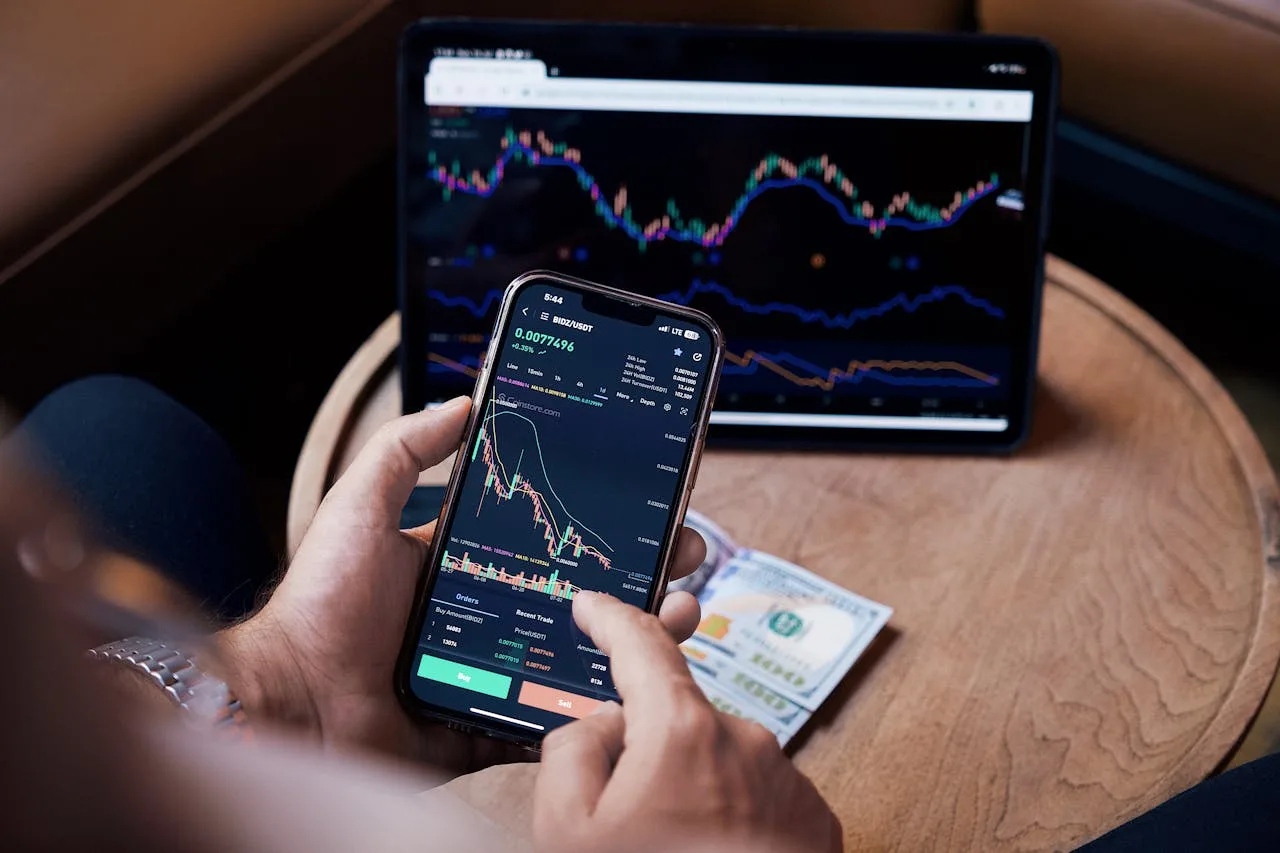
Algorithms thrive in environments driven by data, speed, and complexity. Financial markets generate enormous volumes of information every second, far beyond what any individual could process manually. Algorithmic systems can analyze price movements, volume, correlations, and technical indicators in real time, responding instantly to changes.
Artificial intelligence adds another layer by identifying patterns across historical datasets and adjusting strategies based on observed outcomes. In fast-moving markets, this capability can improve efficiency and consistency, especially for strategies that depend on precise timing or large-scale execution.
For many participants, including those exploring AI crypto trading, algorithmic tools offer a way to engage with markets that never sleep while maintaining disciplined, rule-based approaches that reduce emotional decision-making.
The Opportunities Algorithms Create for Investors
One of the most compelling benefits of algorithmic investing is consistency. Humans are prone to hesitation, fear, and overreaction, particularly during periods of volatility. Algorithms execute strategies exactly as designed, regardless of market noise or emotional pressure.
Automation also lowers barriers to entry. Complex strategies that once required institutional infrastructure are now accessible through platforms designed for individual investors. Backtesting, scenario analysis, and automated risk controls allow users to evaluate strategies before deploying capital.
Additionally, algorithms can operate continuously. Markets do not pause, and opportunities may arise outside traditional business hours. Automated systems ensure that strategies remain active even when investors are not actively monitoring markets.
The Risks Hidden Behind Automation
Despite these advantages, algorithmic investing is not inherently safer than traditional approaches. Automation changes the nature of risk rather than eliminating it. Algorithms are only as reliable as the assumptions, data, and parameters built into them.
Historical data plays a central role in training and testing models, but markets do not always repeat themselves. Structural changes, regulatory shifts, or unexpected global events can render previously effective strategies ineffective—or even dangerous. Algorithms may continue executing trades under conditions they were never designed to handle.
There is also the risk of overconfidence. The appearance of sophistication can mask underlying weaknesses, especially when users treat automated systems as “set it and forget it” solutions. Without ongoing oversight, losses can accumulate quickly and quietly.
Responsibility in an Algorithm-Driven Market
As algorithms take on more decision-making power, questions of responsibility become more pressing. Who is accountable when an automated strategy fails—the developer, the platform, or the investor who deployed it?
From an ethical standpoint, transparency matters. Investors should understand how their tools make decisions, what data they rely on, and what safeguards are in place. Black-box systems that obscure logic can undermine informed consent and responsible risk management.
Regulators are also paying closer attention. As algorithmic trading becomes more widespread, expectations around disclosure, oversight, and risk controls are increasing. Responsible use of algorithms requires aligning technological capability with governance and accountability.
The Enduring Role of Human Judgment
While algorithms excel at execution and data processing, they lack context. Markets are influenced by political developments, regulatory announcements, and shifts in collective sentiment that are difficult to quantify. Human judgment remains essential for interpreting these factors and adjusting strategy accordingly.
The most effective investors treat algorithms as tools, not authorities. Humans define objectives, risk tolerance, and ethical boundaries, while machines handle speed and scale within those constraints. This partnership allows investors to benefit from automation without surrendering responsibility.
Education also plays a key role. Understanding concepts such as drawdowns, overfitting, and model limitations helps investors recognize when an algorithm is performing as intended—and when it may need intervention.
Conclusion
Investing in the age of algorithms offers remarkable opportunity. Automation and artificial intelligence have expanded access, improved efficiency, and introduced new ways to engage with complex markets. These tools can enhance decision-making when used thoughtfully and with clear intent.
At the same time, algorithmic investing carries real risks. Overreliance on automation, lack of transparency, and failure to account for changing conditions can magnify losses and undermine trust. Responsibility does not disappear when decisions are delegated to machines—it becomes even more important.
The future of investing will be shaped not by algorithms alone, but by how humans choose to use them. When opportunity, risk, and responsibility are balanced carefully, algorithms can serve as powerful allies rather than unchecked decision-makers in an increasingly complex financial landscape.