The demand for refined, personalized spaces has significantly increased as clients seek interiors that reflect their identity, lifestyle, and aspirations. Today, interior design companies in Dubai are at the forefront of creating tailored environments that balance aesthetics, comfort, and functionality. Rather than offering standardized solutions, these professionals craft bespoke interiors that respond to individual preferences, architectural contexts, and evolving design trends. From luxury residences to high-end commercial environments, the emphasis is on originality, precision, and thoughtful detailing.
Bespoke interiors are more than visually appealing spaces. They represent a carefully orchestrated process that transforms concepts into environments aligned with a client’s vision. Through innovation, craftsmanship, and meticulous planning, designers create interiors that feel exclusive and timeless.
Understanding Bespoke Interior Design
Bespoke interior design refers to customized solutions developed specifically for a client. Unlike mass-produced or template-based designs, bespoke interiors are tailored to the user’s personality, brand identity, and spatial requirements. Every element—from layout planning to material selection—is chosen with intent.
Customization may include:
- Unique furniture pieces designed specifically for the space
- Tailor-made lighting concepts
- Personalized color palettes
- Custom wall finishes and textures
- Exclusive décor elements and artistic installations
The essence of bespoke design lies in originality. It ensures that no two projects are identical, even when the architectural layouts appear similar.
The Creative Process Behind Bespoke Interiors
Delivering a bespoke interior involves a structured yet flexible approach. Each stage contributes to achieving a cohesive and refined result.
Initial Consultation and Vision Development
The process begins with understanding the client’s goals, preferences, and lifestyle requirements. Designers explore how the space will be used, what atmosphere is desired, and which functional priorities must be addressed. Detailed discussions help establish a clear design brief.
Mood boards, sketches, and conceptual layouts are often developed at this stage to translate ideas into visual direction.
Space Planning and Layout Optimization
Effective space planning is fundamental in bespoke interiors. Designers analyze spatial dimensions, natural lighting, traffic flow, and functional zoning to create layouts that maximize usability and comfort.
In residential projects, this might involve:
- Designing open-plan living areas
- Creating private retreat spaces
- Enhancing storage solutions without compromising aesthetics
In commercial environments, layout planning focuses on workflow efficiency, brand representation, and customer engagement.
Material Selection and Craftsmanship
Materials define the character of a bespoke interior. Designers carefully select finishes, textures, and surfaces that align with the intended style and performance requirements.
High-quality materials such as natural stone, fine wood, custom metalwork, and specialized fabrics contribute to durability and elegance. The choice of materials also considers sustainability, maintenance, and environmental impact.
Custom craftsmanship plays a vital role in bringing unique elements to life. From intricate cabinetry to handcrafted decorative features, skilled artisans ensure precision and attention to detail.
Lighting Design as a Defining Element
Lighting is not merely functional; it shapes mood and highlights architectural features. Bespoke interiors incorporate layered lighting strategies, including:
- Ambient lighting for general illumination
- Task lighting for functionality
- Accent lighting to emphasize design elements
Integrated smart lighting systems allow users to adjust brightness and ambiance according to time of day or occasion.
Residential Bespoke Interiors
Luxury homes increasingly demand personalized environments that reflect individuality. Bespoke residential interiors prioritize comfort, elegance, and seamless functionality.
Living Areas
Customized living spaces often feature tailor-made furniture arrangements that complement the room’s proportions. Designers balance textures, colors, and decorative elements to create harmonious atmospheres suitable for relaxation and social gatherings.
Kitchens and Dining Spaces
Modern bespoke kitchens combine functionality with refined aesthetics. Custom cabinetry, integrated appliances, and carefully selected materials contribute to a cohesive and sophisticated look. Dining areas are designed to encourage interaction while maintaining elegance.
Bedrooms and Private Retreats
Bedrooms are crafted as personal sanctuaries. Soft textures, layered lighting, and calming color palettes enhance relaxation. Custom wardrobes and concealed storage maintain a clean and organized appearance.
Bathrooms and Wellness Spaces
Bespoke bathrooms often incorporate spa-inspired elements such as premium stone finishes, tailored vanities, and sophisticated lighting. The focus is on creating a tranquil environment that enhances daily routines.
Commercial Bespoke Interiors
In commercial environments, bespoke design plays a crucial role in shaping brand identity and customer experience.
Corporate Offices
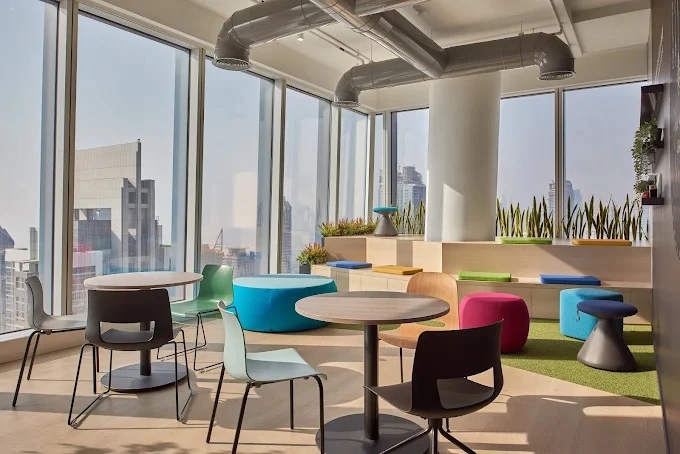
Modern workplaces require flexible layouts that encourage collaboration and productivity. Custom-designed workstations, meeting rooms, and breakout areas contribute to employee satisfaction while reflecting organizational culture.
Acoustic treatments, ergonomic furniture, and integrated technology solutions ensure both comfort and efficiency.
Retail Spaces
Retail interiors must capture attention and guide customer flow. Bespoke shelving units, display installations, and lighting arrangements highlight products effectively. The design narrative reinforces brand values and enhances the overall shopping experience.
Hospitality Environments
Hospitality spaces demand immersive experiences. Custom furnishings, artistic elements, and thematic décor create memorable environments for guests. Attention to sensory details—such as lighting, texture, and spatial flow—elevates comfort and sophistication.
The Role of Innovation and Technology
Technology significantly influences bespoke interior design. Advanced design software enables detailed 3D visualization, allowing clients to preview spaces before execution begins. Virtual walkthroughs and digital modeling enhance communication and decision-making.
Smart home systems, integrated audio-visual setups, automated climate control, and intelligent lighting solutions add convenience and elevate the user experience.
In commercial settings, technology integration supports operational efficiency while maintaining aesthetic harmony.
Sustainability in Bespoke Interiors
Sustainability has become a defining consideration in modern interior design. Designers incorporate eco-friendly materials, energy-efficient lighting, and sustainable sourcing practices to reduce environmental impact.
Reclaimed wood, low-emission paints, and responsibly sourced textiles contribute to healthier indoor environments. Energy-efficient systems minimize consumption while maintaining comfort.
Bespoke design allows sustainability to be seamlessly integrated without compromising elegance or quality.
Balancing Aesthetics and Functionality
One of the key challenges in bespoke interiors is achieving harmony between beauty and practicality. A visually stunning space must also function efficiently.
Designers address this balance by:
- Incorporating hidden storage solutions
- Using durable materials suited to daily use
- Ensuring ergonomic furniture placement
- Designing adaptable spaces for evolving needs
Thoughtful planning ensures that each design element serves both an aesthetic and practical purpose.
Attention to Detail and Personalization
The defining characteristic of bespoke interiors lies in meticulous detailing. Custom joinery, carefully selected hardware, and unique decorative accents add character and refinement.
Personalization may extend to artwork selection, custom rugs, and curated accessories that reflect the client’s taste. Even small elements, such as door handles or trim finishes, are chosen to maintain design consistency.
This attention to detail creates cohesive environments that feel intentional and complete.
Project Management and Execution
Delivering a bespoke interior requires coordination between designers, contractors, artisans, and suppliers. Effective project management ensures timelines are met and quality standards are maintained.
Clear communication, detailed documentation, and ongoing supervision minimize errors and ensure that the final outcome aligns with the approved design concept.
Quality control at every stage—from material procurement to final installation—ensures durability and precision.
The Impact of Bespoke Interiors on Lifestyle and Business
Bespoke interiors significantly influence how individuals live and how businesses operate.
In residential spaces, personalized design enhances comfort, functionality, and emotional connection. Homeowners experience environments tailored specifically to their needs.
In commercial settings, well-designed interiors improve employee productivity, customer engagement, and brand perception. A thoughtfully designed environment communicates professionalism and attention to detail.
Emerging Trends in Bespoke Interior Design
The evolution of bespoke interiors continues to be shaped by emerging trends:
- Biophilic design incorporating natural elements
- Minimalist aesthetics with warm textures
- Multifunctional spaces for flexible living
- Smart technology integration
- Sustainable material innovation
These trends reflect changing lifestyles and increasing demand for adaptable, environmentally responsible spaces.
Crafting Timeless Interiors
While trends evolve, timeless design remains a priority. Bespoke interiors are created with longevity in mind, combining classic elements with contemporary touches. Neutral foundations paired with distinctive accents ensure that spaces remain relevant over time.
Quality craftsmanship and durable materials further support long-term value and aesthetic appeal.
Final Thought
Bespoke interiors represent the highest level of personalization in design. Through thoughtful planning, innovative solutions, and meticulous attention to detail, designers create environments that resonate with individuality and purpose. From residential sanctuaries to sophisticated commercial spaces, the focus remains on achieving harmony between aesthetics, functionality, and sustainability.
The success of such projects relies not only on creative vision but also on seamless execution. Skilled professionals collaborate closely to transform conceptual designs into tangible realities, ensuring every detail aligns with the client’s expectations. In this collaborative ecosystem, coordination with interior fit out companies in Dubai plays a crucial role in translating design intent into flawlessly executed spaces that reflect precision, quality, and enduring elegance.