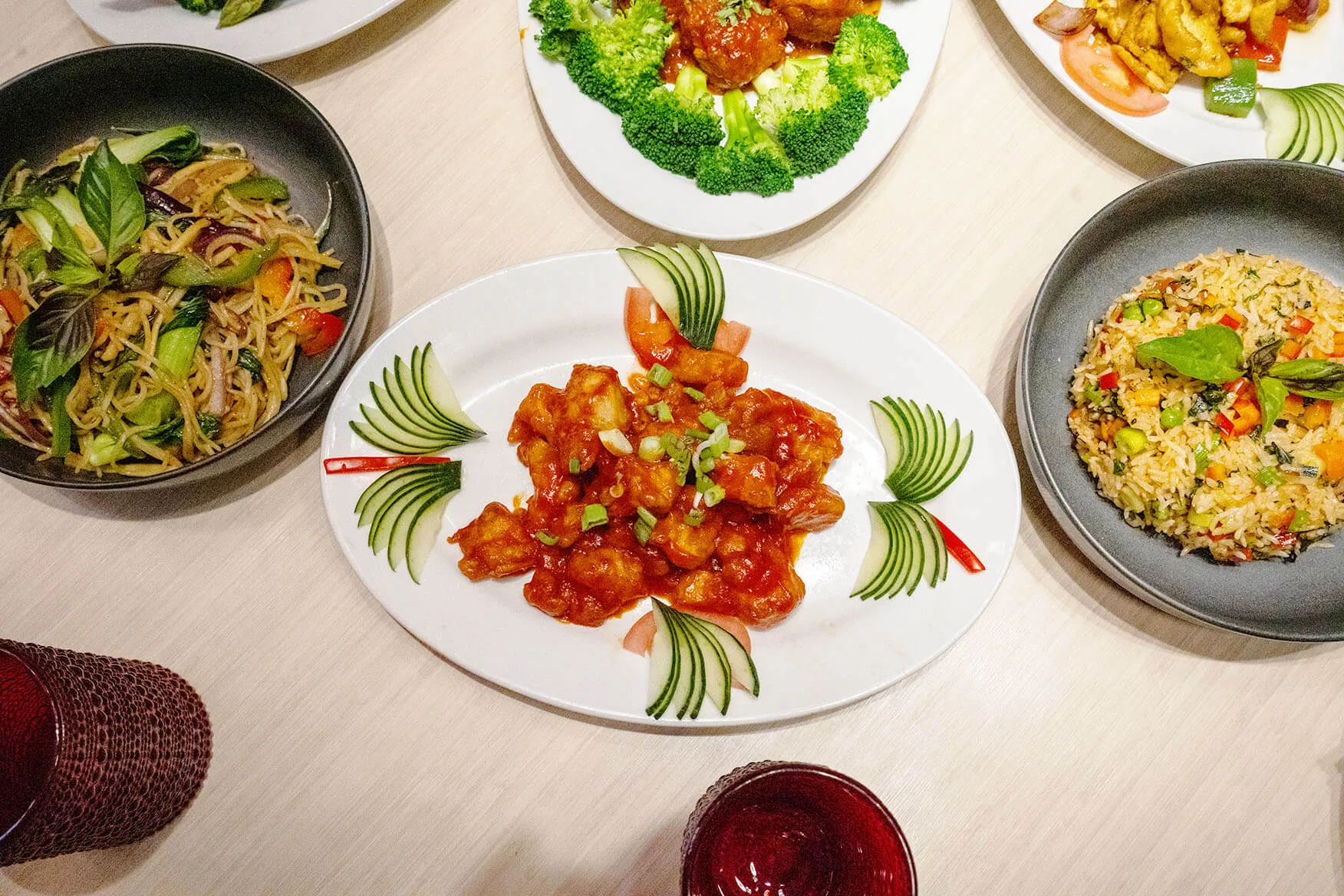
The dining landscape is evolving rapidly, and one of the most noticeable trends is the shift toward immersive, experience-driven meals. Today, customers are not just looking for great flavors—they want engagement, personalization, and memorable moments. This shift is especially evident in the growing popularity of Asian food New Jersey, where interactive dining concepts are redefining how people connect with cuisine. From live cooking stations to customizable meals, these experiences bring a new level of excitement to the table, making dining more than just a routine activity.
What Defines Interactive Dining in Modern Restaurants
Interactive dining goes beyond traditional service by involving guests directly in the food experience. Instead of simply ordering and waiting, diners become part of the process. This can include elements such as build-your-own meals, chef-led cooking presentations, or table-side preparation.
These concepts are particularly well-suited to Asian cuisine, which often emphasizes freshness, balance, and technique. Whether it’s watching ingredients come together or customizing flavors to personal preferences, interactive dining creates a stronger connection between the customer and the dish. This approach not only enhances satisfaction but also encourages repeat visits.
Why Interactive Dining Appeals to Today’s Diners
Modern diners value experiences that feel unique and engaging. Interactive dining satisfies this demand by offering something beyond the standard restaurant visit. It transforms a meal into an activity, making it ideal for social gatherings, celebrations, and casual outings alike.
Another key factor is transparency. When customers can see how their food is prepared or participate in the process, it builds trust and confidence in quality. This is particularly important in a competitive market, where diners have countless options and are more selective about where they choose to eat.
The Role of Customization and Personalization
One of the biggest advantages of interactive dining is the ability to tailor meals to individual preferences. Diners can adjust spice levels, choose ingredients, or even influence cooking styles. This level of control makes the experience more enjoyable and inclusive for a wider range of tastes.
In the middle of this evolving trend, restaurants are also finding ways to stand out by combining customization with broader culinary appeal. For example, while exploring diverse menus, customers might also compare offerings across categories, such as the best seafood restaurant in NJ, highlighting how variety and personalization contribute to overall dining satisfaction.
Enhancing Social and Cultural Connections
Interactive dining also plays a significant role in fostering social interaction. Sharing a meal becomes a collaborative experience, where diners engage not only with the food but also with each other. This makes it particularly appealing for families, groups of friends, and even corporate gatherings. Additionally, these concepts provide an opportunity to highlight cultural aspects of Asian cuisine. By incorporating traditional cooking methods or storytelling elements, restaurants can create a deeper appreciation for the origins and significance of the dishes. This blend of education and entertainment adds another layer of value to the dining experience.
Innovation Driving the Future of Dining
As technology and consumer expectations continue to evolve, interactive dining concepts are becoming more sophisticated. Digital ordering systems, live kitchen displays, and creative presentation techniques are all contributing to a more engaging environment. Restaurants are constantly experimenting with new ways to keep the experience fresh and exciting. This innovation is particularly important in maintaining relevance in a competitive market. By offering something unique, restaurants can differentiate themselves and attract a loyal customer base. The ability to combine tradition with modern elements ensures that interactive dining remains both authentic and forward-thinking.
Why Interactive Dining Is Here to Stay
The growing demand for experiential dining suggests that interactive concepts are not just a passing trend but a long-term shift in the industry. Customers are increasingly seeking value that goes beyond taste, and restaurants that adapt to this demand are more likely to succeed. The continued popularity of Asian food New Jersey highlights how well this cuisine aligns with interactive dining. Its emphasis on fresh ingredients, bold flavors, and diverse techniques makes it an ideal fit for experiences that engage all the senses.
Experience the Future of Dining Today!
If you’re looking to explore a new way of enjoying meals, interactive dining offers the perfect opportunity to do so. It combines flavor, creativity, and engagement into one seamless experience that appeals to both new and seasoned diners. As Asian food New Jersey at Ming Restaurant continues to evolve, now is the ideal time to discover how interactive concepts are transforming the way people dine. Step into a setting where every meal becomes an experience—and see the difference for yourself.
If you want to know about seafood restaurant new jersey, here you get full info.