
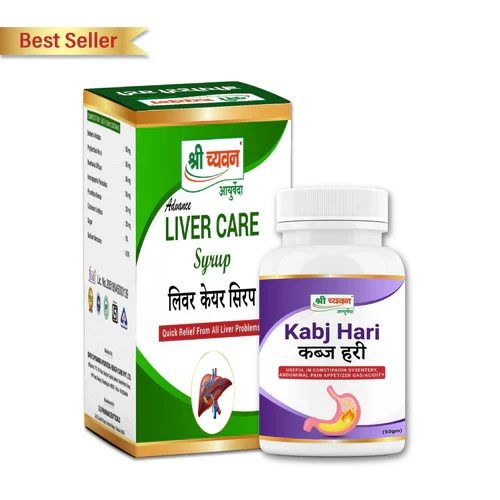
Constipation is one of those problems people don’t plan for. It just shows up. One slow morning turns into two. Then three. Suddenly your body feels heavy, uncomfortable, almost distracted. You sit there wondering how something so small can throw off the whole day. I’ve noticed people only talk about it after they’ve already tried warm water, pacing the house, coffee that went cold because nothing happened. That’s usually the point where Instant Constipation Relief Medicine enters the picture, quietly, halfway through the panic scrolling.
Instant relief sounds dramatic, but most people aren’t chasing drama. They just want to feel normal again. Light. Unblocked. Free to leave the house without thinking about their gut every five minutes.
Why constipation feels urgent sometimes
Not all constipation feels the same. There’s the mild kind where you feel “off” but can function. Then there’s the stubborn type. Tight abdomen. Dry stool. That odd pressure that refuses to move. Travel days make it worse. So does stress. Late dinners. Sitting too long. And don’t get me started on ignoring nature’s call because of meetings.
Urgency creeps in when discomfort starts affecting sleep, mood, and focus. At that point, slow solutions feel… risky. People want something that works soon, not in a week.
What instant relief medicines usually aim to do
Medicines meant for quick relief focus on one simple thing. Movement.
Some soften stool. Some increase moisture inside the gut. Others gently stimulate bowel activity. The goal isn’t chaos. It’s release. A smooth exit, not a rush that leaves you sweaty and nervous.
A lot of folks assume stronger equals better. I’m not fully convinced. Strong reactions can feel unsettling. Cramping. Sudden urgency. That fear of stepping away from the bathroom. Gentler options often feel kinder, especially if constipation visits more than once.
Common types people reach for
You’ll notice a few patterns if you hang around pharmacies or talk to people quietly admitting their stomach troubles.
Osmotic medicines
These pull water into the intestines. They’re popular because they work within hours for many. The first time can feel strange. A bit bloated maybe. Then relief follows. Not magical, but noticeable.
Stimulant-based options
These encourage bowel muscles to wake up. Results can be fast. Some people love that speed. Others feel uneasy afterward. Not everyone wants that level of urgency.
Fiber-based powders
These add bulk and moisture. They don’t always feel “instant,” but overnight relief happens for many. I’ve seen people stick with these longer because the experience feels calmer.
Ayurvedic formulations
These show up more often now, especially for people tired of harsh reactions. Ingredients like Isabgol husk, Triphala, and mild herbal blends support movement while keeping digestion steady. Some work by morning. Some need a night or two. Taste plays a role here. Let’s be honest.
How people actually use these medicines
No one reads instructions perfectly during constipation panic. People experiment. Half doses. Warm water tricks. Late-night consumption with crossed fingers.
Timing matters. Night-time use often brings morning relief. Daytime use feels riskier unless you’re home. Food matters too. Heavy meals slow things down. Warm liquids help things along. Cold drinks, oddly enough, sometimes do the opposite.
I’ve noticed people who rush the process feel disappointed more often. The gut has its own rhythm. Medicines guide it, not command it.
When instant relief becomes a habit
This part gets ignored. If instant relief medicine becomes a regular thing, something deeper might be off. Low fiber intake. Poor hydration. Stress patterns. Ignoring bowel signals daily.
Short-term use feels fine. Repeated dependence feels different. The body starts waiting for help instead of responding naturally. That’s when switching strategies helps. Gentler options. Diet tweaks. Movement. Routine.
Small habits that support faster relief
Medicines work better when the body isn’t resisting.
Warm water after waking helps. Not glamorous. Effective.
Sitting without rushing helps too. The body notices tension. Breathing slower helps bowel movement more than people expect. I didn’t believe this at first. Then I tried it. It worked.
Adding fiber slowly avoids discomfort. Dumping too much fiber into a dry system can backfire. Been there. Not fun.
Movement helps digestion more than scrolling on the phone ever will.
Knowing when to pause and check deeper
If constipation sticks around for weeks despite trying different medicines, it’s time to step back. Pain. Blood. Severe bloating. These aren’t things to ignore. Medicines aren’t meant to mask warning signs.
Listening early saves trouble later. That’s something people learn the hard way.
Constipation relief doesn’t need to feel dramatic or scary. It should feel like relief. Quiet. Simple. Almost boring, in a good way. When the body lets go, the mind relaxes too. Funny how connected they are.
And once things move again, life feels lighter. You don’t celebrate it out loud, but you notice. Definitely.