The automotive world keeps changing, and Germany stays at the center of that change. The country has a long history of cars, engineering, and strict quality standards. And even today, its direction affects how people think about transport across the world. This blog looks at the main shifts happening right now and how they shape the future of mobility.
A Look at the Market Today
The German automotive market remains one of the most active markets in Europe. It still focuses on strong engineering, steady research, and a clear push toward cleaner transport. Many companies now try to balance two things. One is keeping their long tradition of quality. The other is adapting to rules, climate goals, and new customer needs. And this shift is not slow. It is steady and unavoidable.
Many firms now invest in electric models, digital systems, and safer transport designs. And while the road is not always smooth, these changes keep the market relevant and strong.
The Push Toward New Technology
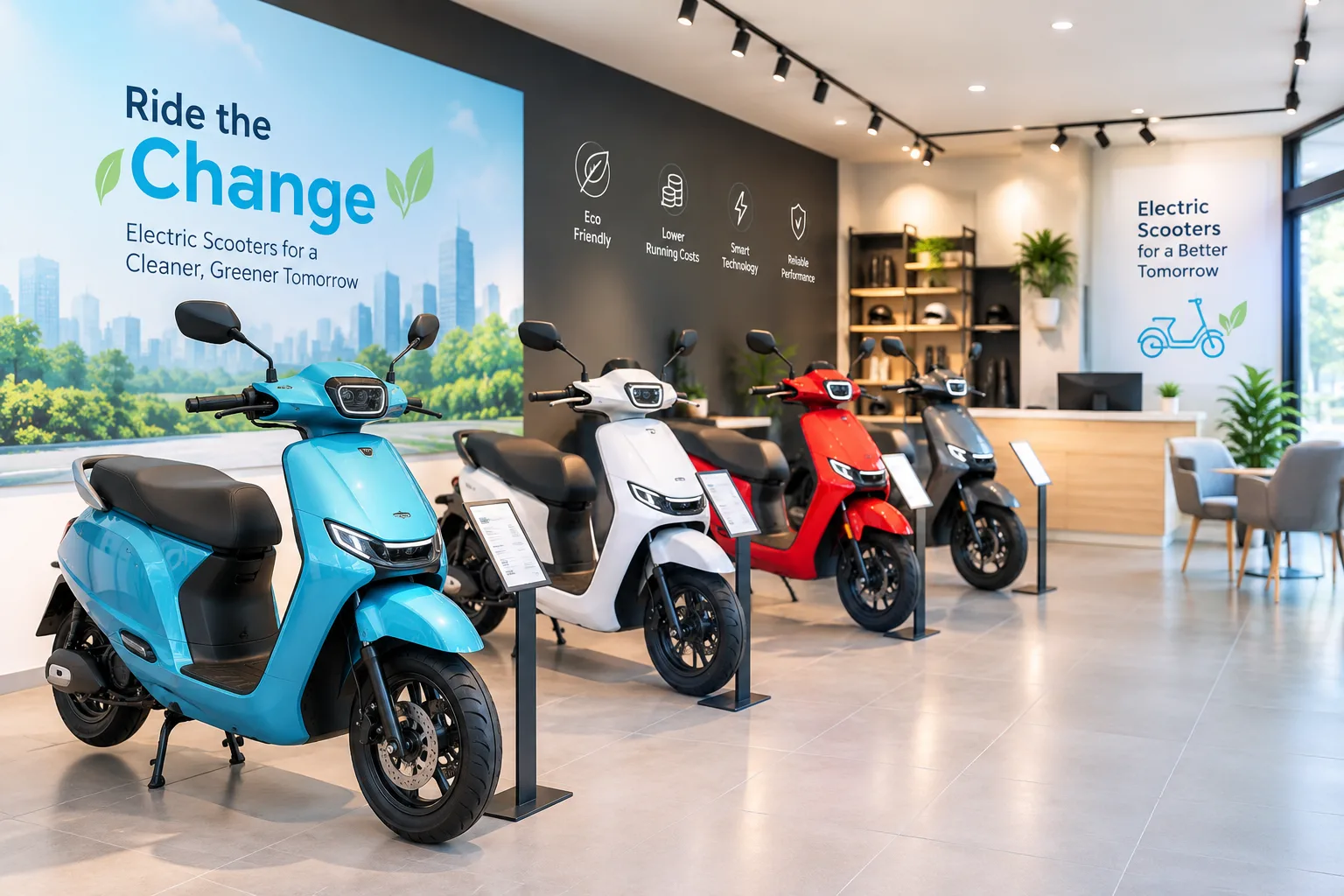
Technology plays a big role in the direction markets follow. In Germany, this shift continues to expand across many areas. Electric vehicles keep gaining attention, and more brands now plan to release new models each year. Charging networks also grow, though they still need more support.
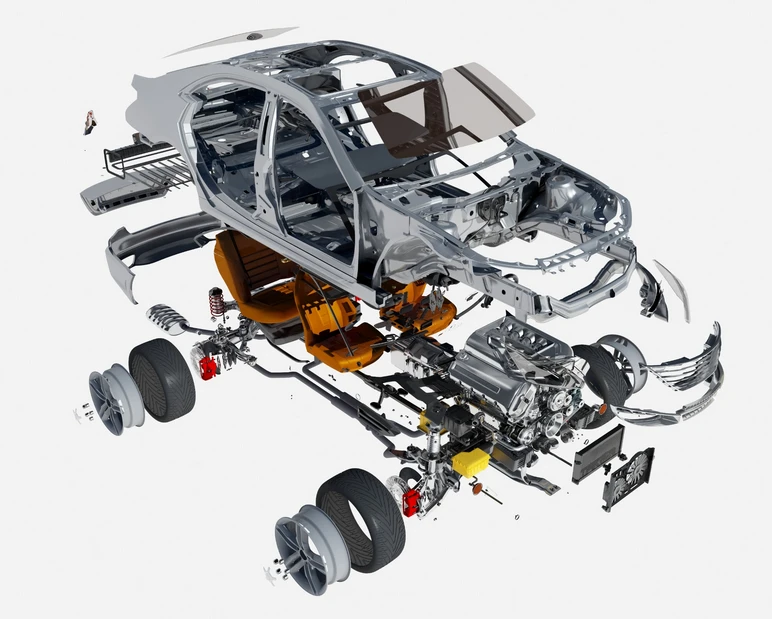
Software is another area changing fast. Modern cars now rely on digital tools more than ever. These include navigation systems, safety warnings, self-parking features, and connected apps.
How Innovation Supports Growth
Many groups work together to build the future of transport. Universities, tech companies, and research labs join hands with car makers. Their aim is simple. They want safer cars, smarter systems, and cleaner energy use. This teamwork also creates jobs and new business areas. And it helps the country stay ahead in global competition.
Changing Customer Needs
People now expect more from their cars. They want safety, comfort, and lower running costs. And many also care about the impact their choices have on the environment.
This change in attitude pushes companies to rethink what they offer. And it opens doors for new models, new features, and new design ideas.
Growth Beyond Cars
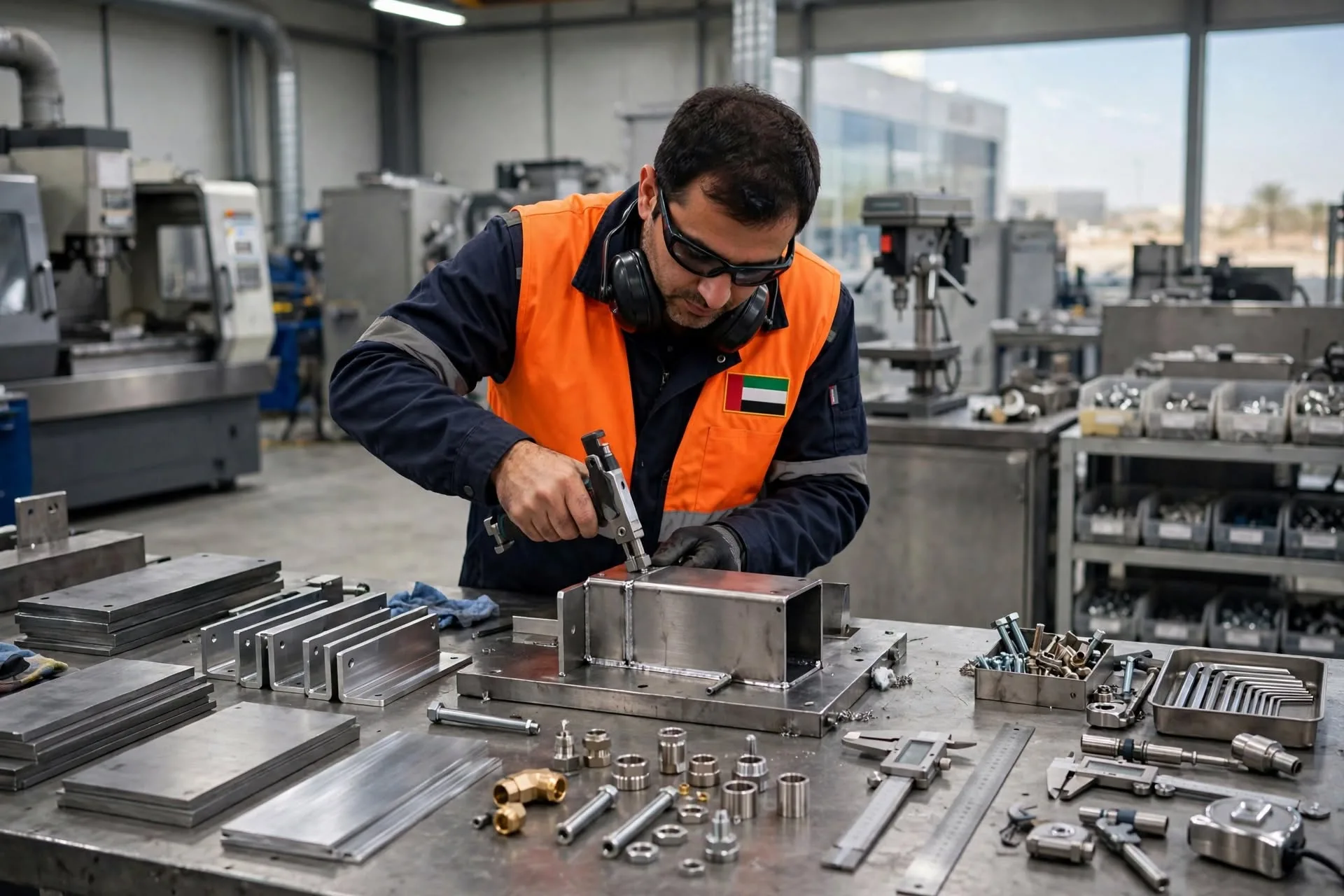
Germany’s influence is not limited to vehicles alone. The Automotive industry in Germany is connected to many other industries. Electronics, software development, steel, chemicals, and even medical engineering all link back to it. This close link helps the country innovate in ways that smaller markets cannot.
And this mix of knowledge also makes the industry more resilient. When one part slows down, another part often grows.
A Look at European Medtech Links
Innovation in transport also connects with healthcare. Digital systems and sensor technology used in cars now support many medical tools. The Medtech market in Europe uses similar systems for patient monitoring, diagnostics, and care support.
This crossover helps engineers design more accurate tools. And it shows how knowledge from the road can also help inside hospitals and clinics.
Challenges That Still Remain
Even strong markets face challenges. Germany now deals with rising costs, energy concerns, and global competition. Many regions now try to develop their own car industries, and this puts pressure on older markets.
Rules and climate goals also keep changing. And companies must adjust their plans to stay compliant. These changes take time and money. But they also create new chances for growth.
Looking Ahead
The future of the German market depends on how well firms adapt to new expectations. Electric cars, smart software, and cleaner production will shape the next few years. Companies that stay flexible will do well. And the market will continue to guide how the world thinks about transport.
The German market remains strong because it adapts, learns, and keeps improving. Its mix of tradition and innovation shapes the future of mobility and supports many linked industries. And as the world moves toward smarter and cleaner transport, the work done here will continue to matter. These insights highlight how steady change and practical thinking keep a market stable. And this steady direction connects well with the values of Foxx.