In the world of industrial turbine control, precision, reliability, and real-time visibility are critical. General Electric’s Mark V control system is a cornerstone in the management of gas and steam turbines, known for its modular architecture and advanced control capabilities. A vital, yet often overlooked, component of this system is its display technology — the interface that bridges the gap between machine-level data and human decision-making.
This article explores the inner workings of the Mark V's display technology, highlighting how it supports turbine performance, operator awareness, and overall plant reliability.
The GE Mark V Control System: A Quick Overview
The Mark V system, part of GE’s Speedtronic series, was introduced to bring digital control and monitoring to industrial turbine environments. Unlike earlier analog systems, the Mark V utilizes microprocessor-based logic for more accurate data handling, better fault detection, and easier system integration.
A key feature of the Mark V is its Human-Machine Interface (HMI) — a combination of hardware and software that presents real-time turbine data to operators. This display system plays a critical role in safe and efficient turbine operation.
The Purpose of Display Technology in Turbine Environments
Modern turbines generate massive volumes of data every second, from temperatures and pressures to rotational speeds and vibration levels. Without a reliable way to interpret this data, operators would be flying blind.
The display interface in the Mark V system serves several essential purposes:
- Monitoring: Displays live readings of turbine parameters.
- Alarm Management: Notifies operators of faults or abnormal conditions.
- System Navigation: Allows access to diagnostic tools, trend graphs, and event logs.
- Control Interaction: Facilitates operator input during startups, shutdowns, and manual overrides.
In essence, the display is the operator’s window into the turbine’s health and behavior.
The Display Board: The Brain Behind the Interface
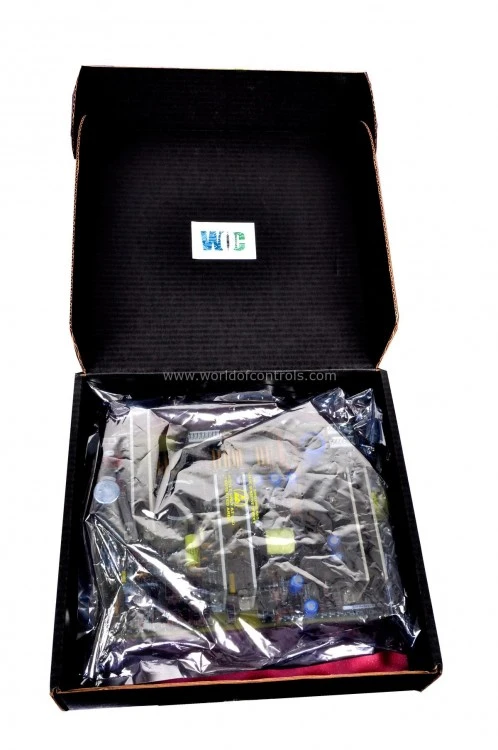
Within the Mark V system, a dedicated display board manages the communication between the control system and the visual output seen by operators. This board:
- Processes incoming data from the control modules.
- Formats and displays information on the HMI screen.
- Handles user inputs from function keys and touchpoints.
- Manages alarm displays, ensuring prompt notification of critical events.
It acts as a translator, converting machine data into human-readable formats such as numerical values, graphs, charts, and status messages.
Why It Matters in Industrial Operations
In sectors like power generation, oil and gas, and petrochemicals, turbines are mission-critical assets. Any unplanned downtime can lead to significant operational and financial losses. Having real-time access to turbine data enables operators to:
- React quickly to system faults.
- Monitor system trends and preempt issues.
- Ensure safe start-up and shutdown sequences.
- Conduct informed maintenance planning.
The display board, by powering this interface, plays a central role in maintaining reliability and efficiency in these environments.
Maintenance and Reliability of Display Components
Because display boards operate continuously and under demanding conditions, they can be subject to wear or failure over time. However, the modular design of the Mark V system allows for straightforward replacement or refurbishment of these components.
Many facilities opt to keep spare boards on-site, while others rely on third-party providers for repair and testing services. This modularity ensures minimal disruption to turbine operation in the event of a hardware issue.
Looking Ahead: Display Technology in Turbine Evolution
While GE’s Mark V remains widely used, control system technology continues to evolve, moving toward more advanced, digital, and even cloud-connected platforms. Still, the core principles remain the same: operators need clear, reliable, and actionable information to keep turbines running safely and efficiently.
The display system — powered by specialized hardware — continues to be a critical component of this equation, proving that effective communication between human and machine is just as important as the control logic itself.
Conclusion
Though often hidden behind the screen, the display technology in GE Mark V turbines plays a frontline role in turbine management. It transforms complex data into accessible information, enabling smarter, faster decisions in high-stakes industrial environments.
Understanding and maintaining this system is essential for anyone tasked with operating or supporting turbine control infrastructure — because when it comes to turbines, what you see really can make all the difference.