Unlike conventional design-bid-build processes, design-build methodologies simplify construction by uniting design and building under one entity. This integration improves teamwork, shortens deadlines, creates clear responsibility, and might even help to save expenses. Knowing the organized phases helps clients negotiate building projects more skillfully. Every action builds on the next to produce a coherent process from idea through completion.
1. Initial Consultation and Needs Assessment
A thorough consultation to define project criteria starts the design-build process. The design-build team works to understand the client's goals, needs, limitations, and expectations during this step. Project scope, space needs, aesthetic preferences, functional needs, sustainability goals, and preliminary budget factors are some of the most important things that need to be talked about. The team looks into site characteristics, zoning rules, building requirements, and environmental variables possibly influence the project. The basis for all further effort comes from this first discovery step. Expert companies use interactive seminars and well-crafted surveys to gather specific data and advise customers on the next process. Many design build contractors in Colorado specialize in doing extensive site evaluations that consider the geography, temperature conditions, and local building needs particular to mountain or urban locations.
2. Conceptual Design and Feasibility Analysis
Once project requirements are known, the design-build team creates conceptual concepts that convert customer needs into first-hand spatial and aesthetic answers. Through sketches, schematics, and simple 3D models, these first ideas investigate several ways to see possibilities. Along with design development, a preliminary budget study evaluates viability by matching design ideas with cost constraints. One major benefit of the design-build methodology is its contemporaneous assessment of cost and design, which helps to remove the disconnection sometimes resulting from conventional techniques. Value engineering starts at this early phase rather than as a last-ditch reaction later in the process. Usually ending with a conceptual design presentation comprising early layouts, exterior visuals, material recommendations, and first cost projections, this stage lets clients offer comments before moving on to detailed design.
3. Detailed Design Development and Preconstruction Planning
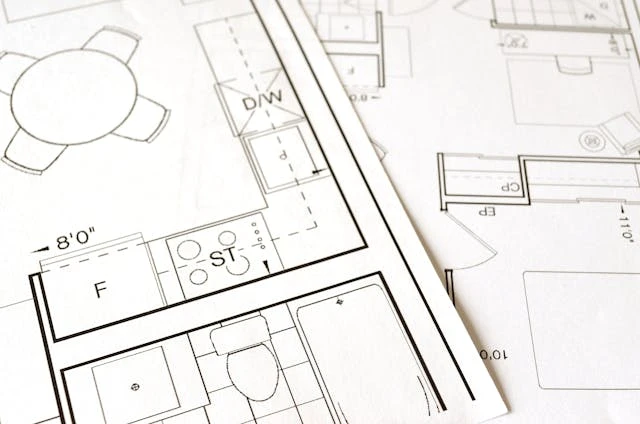
Following concept clearance, the team moves into thorough design development, turning ideas into exacting construction documentation. Detailed architectural drawings, structural engineering plans, mechanical systems design, electrical schematics, plumbing layouts, and material specs are all made in this step. At the same time, the construction team does thorough preconstruction planning, which includes figuring out the order of the work, finding long-lead items, setting up quality control measures, and making cost estimates more accurate. One basic benefit of the design-build approach is this contemporaneous design and construction planning. Frequent client meetings over this phase guarantee that changing design elements complement project objectives. By producing thorough 3D virtual models that enable the result to be seen and possible conflicts to be found before construction starts, building information modeling (BIM) typically helps this process.
4. Construction Execution and Project Management
The project moves into the building when drawings are finalized and permits are obtained. Often, the same entity, the flawless hand-off from design to construction team, closes the knowledge gaps and communication breakdowns inherent in conventional project delivery approaches. Site preparation starts as subcontractors are arranged and the last materials are ordered. Throughout construction, the project manager is the main customer contact; she manages any required design changes, answers queries, and offers consistent updates on development. Regular inspections and milestone reviews help to apply the preconstruction-established quality control procedures. Since building teams already know design intent and priorities, this phase gains from the cooperative basis already set forth. Faster field issue resolution made possible by the integrated team structure eliminates the usual long RFI (Request for Information) procedures in conventional methods.
5. Project Completion, Handover, and Post-Construction Support
The emphasis moves to quality control, systems testing, and last detailing as the building gets close to being finished. Comprehensive commissioning guarantees, including HVAC, electrical, plumbing, and other specialty equipment, that all building systems operate as intended by design. To produce punch lists addressing any last items needing completion or correction, the design-build crew performs extensive inspections. Once these problems are fixed, the formal project handover consists of giving the customer operating manuals, warranty documents, as-built drawings, and maintenance plans. Many design-build companies provide post-construction support services, including regular check-ins and maintenance advice to guarantee the new facility runs as it should. Beyond the end of a project, this continuous relationship usually results in future teamwork. Since the design-build process assigns one point of contact for handling any problems that might develop following project completion, warranty concerns are simplified.
Conclusion
Through an integrated structure and cooperative approach, the design-build process presents a coherent method. Every phase logically builds upon the one before it, producing a smooth development from idea to finish. Usually delivering projects more effectively than conventional techniques, this integrated approach also offers clearer responsibility and less administrative work. Knowing these five main phases helps project managers negotiate their building path and gain from efficient communication and combined knowledge.