Beneath the towering granite monoliths sculpted by millions of years of wind and monsoon rains lies a landscape where untamed nature and human settlement exist not as competitors, but as lifelong companions. Most journeys across Rajasthan chronicle tales of grand sandstone palaces, battle-tested desert fortresses, and opulent courtyards. Yet, venturing into Jawai reveals a profoundly different cadence of heritage—one defined by raw geological drama, deep pastoral wisdom, and an extraordinary code of coexistence that modern conservationists travel from across the globe to witness.
Settled alongside the catchment of the Jawai Bandh, the terrain reveals how traditional rural ecosystems flourish when anchored in mutual respect. When planning an immersive expedition into this untouched corridor, choosing a stay at a thoughtfully integrated resort in Jawai allows travelers to step away from predictable tourist tracks and engage directly with the authentic rhythm of local life.
The Pastoral Guardians: Life Alongside the Rabari Nomads
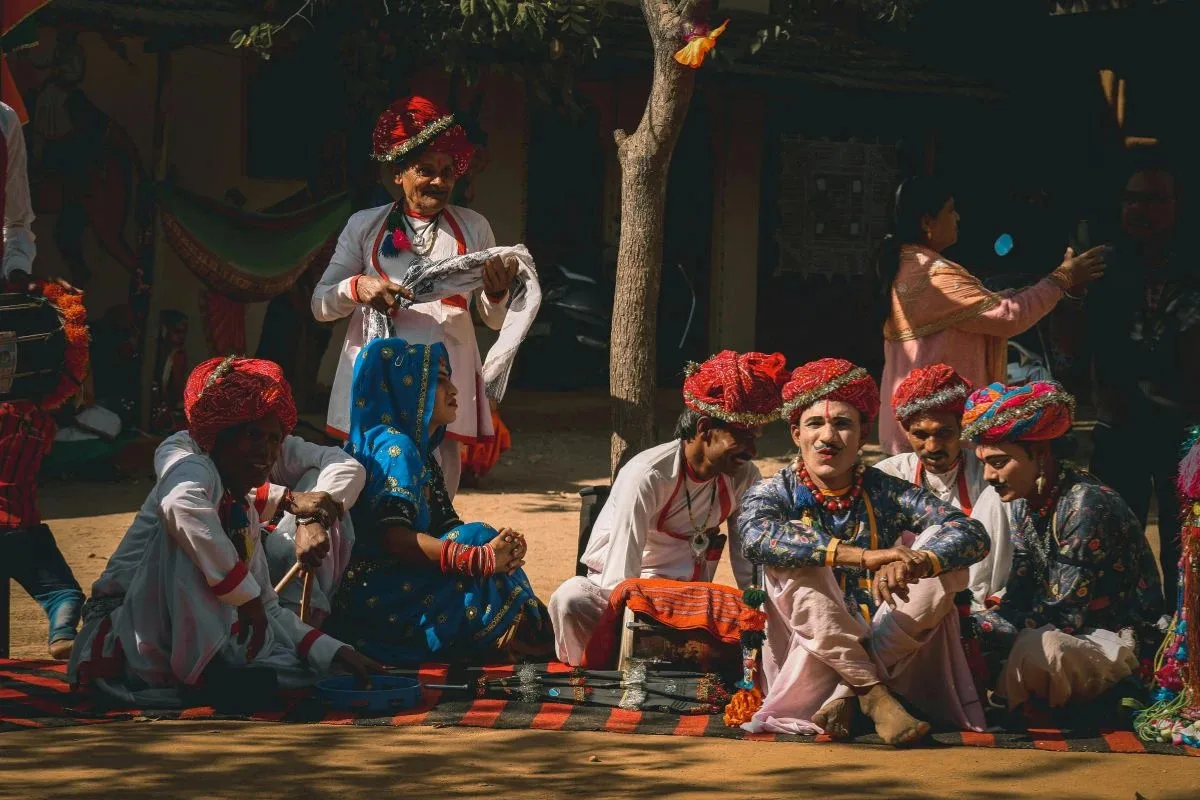
The heartbeat of Jawai’s village culture belongs indisputably to the Rabari community. Recognized instantly by their brilliant scarlet turbans, pleated white tunics, and silver amulets, these pastoralists have walked these rugged scrub forests for generations. Historically nomadic camel and sheep breeders, the Rabari carry ancestral knowledge that informs everything from herbal medicine to the seasonal shifts of groundwater.
To walk through a local hamlet at sunrise is to witness an ancient daily routine unfold without haste. Milk is churned in clay vessels, courtyards of compacted earth are swept clean, and the sharp scent of slow-burning acacia wood mingles with the morning mist. When the wooden gates of the livestock pens open, pastoralists guide their herds across rocky trails, relying on soft vocal calls that the animals recognize instantly.
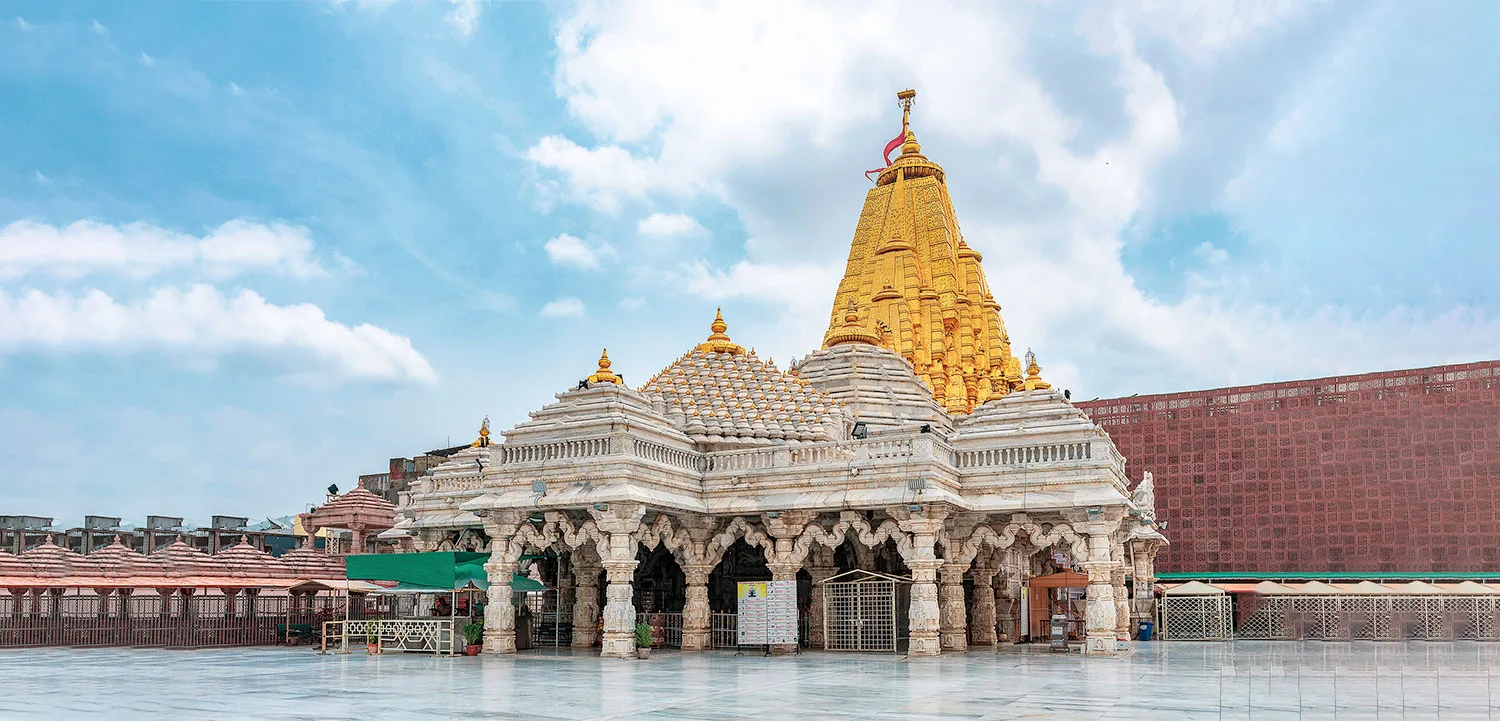
What makes this community globally distinct is their spiritual connection to apex predators. The Rabaris revere leopards as sacred companions of their folk deities, most notably Ambe Mata. If a big cat occasionally predates upon a sheep or goat, it is met with profound acceptance rather than hostility or retaliation. This cultural ethos has created one of the highest densities of wild leopards on the planet living in peaceful proximity to human settlements.
Granite Hills and Feline Sanctuaries: Ethical Exploration
A standard wildlife excursion often treats nature as a spectator event, but traversing this terrain requires an ethos rooted in patience and deep field expertise. Setting out on an authentic Jawai leopard safari places visitors under the guidance of native naturalists who understand the individual habits and territories of the resident cats without disturbing their natural rhythms.
Instead of dense jungle foliage, the leopards here dwell upon sun-warmed, cave-riddled inselbergs. Decades of unharassed coexistence mean the animals do not flee at the sight of humans or cattle. From rocky ledges, a leopard might calmly watch village children walk to school below, perfectly aware of human presence yet entirely untroubled. It is a striking living example of ecological balance that proves wildlife conservation does not always require high fences or forced displacement.
Seasonal Rhythms: Agriculture and Craft Around the Reservoir
Beyond pastoral grazing, the alluvial plains nourished by the reservoir support fertile pockets of agriculture. Life here shifts with the changing agricultural calendar:
- Winter brings emerald carpets of mustard and wheat, with the sharp fragrance of yellow mustard blooms drifting across stone boundaries.
- Harvest seasons gather entire families into the fields, working cooperatively to bundle stalks and process grains using traditional manual implements.
- Local pottery remains an essential everyday art, shaped on foot-powered wheels from local clay to produce porous jars that keep drinking water cool under the desert sun.
- Village kitchens rely on organic, locally gathered ingredients, celebrating simple staples like hand-rolled bajra rotis baked over dried cow-dung cakes, fiery garlic chutney, and fresh buttermilk.
These practices reflect a zero-waste, sustainable lifestyle that has survived without the need for modern ecological labels. Every resource is valued, repurposed, or returned cleanly to the earth.
The Living Heritage of Jawai Sagar
True cultural immersion requires unhurried observation. The real character of Jawai is not found merely in a fleeting photo of a spotted cat on a rock, but in sharing a cup of hot, sweet chai with a village elder beneath the shade of a neem tree, or listening to folk songs sung during twilight ceremonies at small village shrines.
The village roots of this landscape teach humility. Here, modern development meets traditional restraint, showing that wild creatures and thriving human communities can share the same soil in quiet, enduring harmony.