Walking into a modern orthodontics studio today feels less like entering a clinical space and more like visiting a wellness lab designed around you. The clean lines, soft lighting, ergonomic chairs, and digital displays tell you right away: this is different. It’s not just about straightening teeth anymore—it’s about blending modern orthodontics studio design with advanced technology, patient comfort, and a holistic approach to care.
Let’s take a guided tour through what makes a standout modern studio tick—from the waiting room to the treatment chair—and see how these elements combine to elevate both patient experience and clinical outcomes.
The Philosophy Behind the Modern Studio
A modern orthodontic studio is conceptualized with three core pillars in mind:
- Technology Integration-To enhance precision, predictability, and efficiency.
- Patient Comfort & Experience- To reduce anxiety and make treatment feel inviting rather than intimidating.
- Holistic Care & Communication-To empower patients with knowledge, involvement, and long-term support.
When these pillars align, the journey from consultation to retention becomes smoother, more enjoyable—and ultimately more effective.
The Entrance & Waiting Space: Setting the Tone
The first few minutes in the studio set expectations. In modern practices, waiting rooms look less like medical spaces and more like lounges.
- Design & Ambiance -Warm, neutral tones, soft textures, and natural light or indirect lighting help reduce stress.
- Seating & Layout - Comfortable seating with adequate spacing, calming décor, and visual privacy zones (e.g. semi-partitions) make waiting less clinical.
- Digital Engagement - Tablets or screens may display orthodontic animations, patient success stories, or treatment previews. This engages patients and helps set expectations before they even meet the orthodontist.
- Refreshing Amenities - Water stations, soft music, and subtle greenery often appear, contributing to a welcoming environment.
This initial environment helps communicate that the journey ahead is one of care, not cold clinical protocol.
Digital Diagnostics and Consultation
Once called in, the experience shifts from ambiance to precision. A hallmark of modern orthodontic studios is the incorporation of digital diagnostic tools.
3D Intraoral Scanning
Instead of traditional messy molds, many studios use optical intraoral scanners. These devices rapidly capture high-fidelity 3D images of teeth and gums. The advantages:
- Faster, more comfortable impression process
- Accurate digital models for planning
- Immediate visualization (patients can see their own scans)
Cone-Beam CT & Panoramic Imaging
For complex cases, 3D imaging via cone-beam CT is available, capturing jaw structure, bone volume, and root orientation with minimal radiation dose. Panoramic X-rays remain useful for a broader dental overview.
Digital Smile Design & Simulation
One of the most impressive tools is the ability to simulate the patient’s future smile. Using digital software, the orthodontist overlays proposed alignment onto the patient’s facial images, allowing real-time adjustments. This helps patients visualize the outcome, ask questions, and collaborate in the plan.
Treatment Planning Stations
In private or semi-private consultation areas, screens display treatment trajectories, 3D wire pathway simulations, and alternatives. Patients can compare aligner vs bracket options, see incremental tooth movement, and better understand the rationale behind each decision.
The goal: transparency, shared decision-making, and an informed confidence in the treatment plan.
Treatment Rooms: Where Innovation Meets Comfort
When it’s time to start, patients move to treatment rooms that combine ergonomic design with clinical functionality.
Adjustable, Ergonomic Chairs
Modern chairs adjust to support comfort over longer appointments—better lumbar support, flexible position range, and cushioning tailored for orthodontic work.
Integrated Digital Displays
Many treatment units include embedded tablets or monitors so patients can review their treatment plan, watch educational videos, or follow along visually as adjustments are made.
Clean & Organized Layouts
Everything is within reach—tools are neatly stored in streamlined cabinetry. This uncluttered environment not only looks better but also helps clinicians move with efficiency, reducing appointment time.
Soft Lighting & Acoustic Design
Lighting that’s bright yet diffused and discreet acoustics (sound absorption in walls/ceilings) help the space feel calm. Noise from equipment is minimized to preserve a serene environment.
Hygiene & Sterility Protocols
Even behind the scenes, studios incorporate digital tracking and sterilization logs. Autoclaves, ultrasonic cleaners, and sealed storage maintain rigorous hygiene standards, but the design often keeps them out of patients’ view to preserve immersion.
Monitoring, Check-Ins & Remote Support
A hallmark of advanced practices is how they blend in-person care with remote monitoring and follow-up.
- Virtual Check-Ins-Patients may upload photos from home via apps or send progress images for interim review. This reduces unnecessary office visits.
- Treatment Tracking Dashboards-Patients receive access to portals or mobile apps showing their progress, upcoming adjustments, and reminders.
- Automated Alerts & Reminders-Notifications can remind patients of wear time (for aligners), appointments, or retainer schedules.
This hybrid care model helps maintain continuity without burdening patients with frequent in-office visits.
Patient Experience: The Emotional Journey
Modern studios aren’t just about gear—they care deeply about the emotional side of orthodontics. Key touches include:
- Welcoming Staff & Personal Connection-Front desk, assistants, and orthodontists who greet patients by name, explain steps, and offer reassurance.
- Warm Onboarding-At first appointment, patients often receive a welcome kit (e.g. aligner case, care instructions, cleaning tools) presented nicely in a pouch or box.
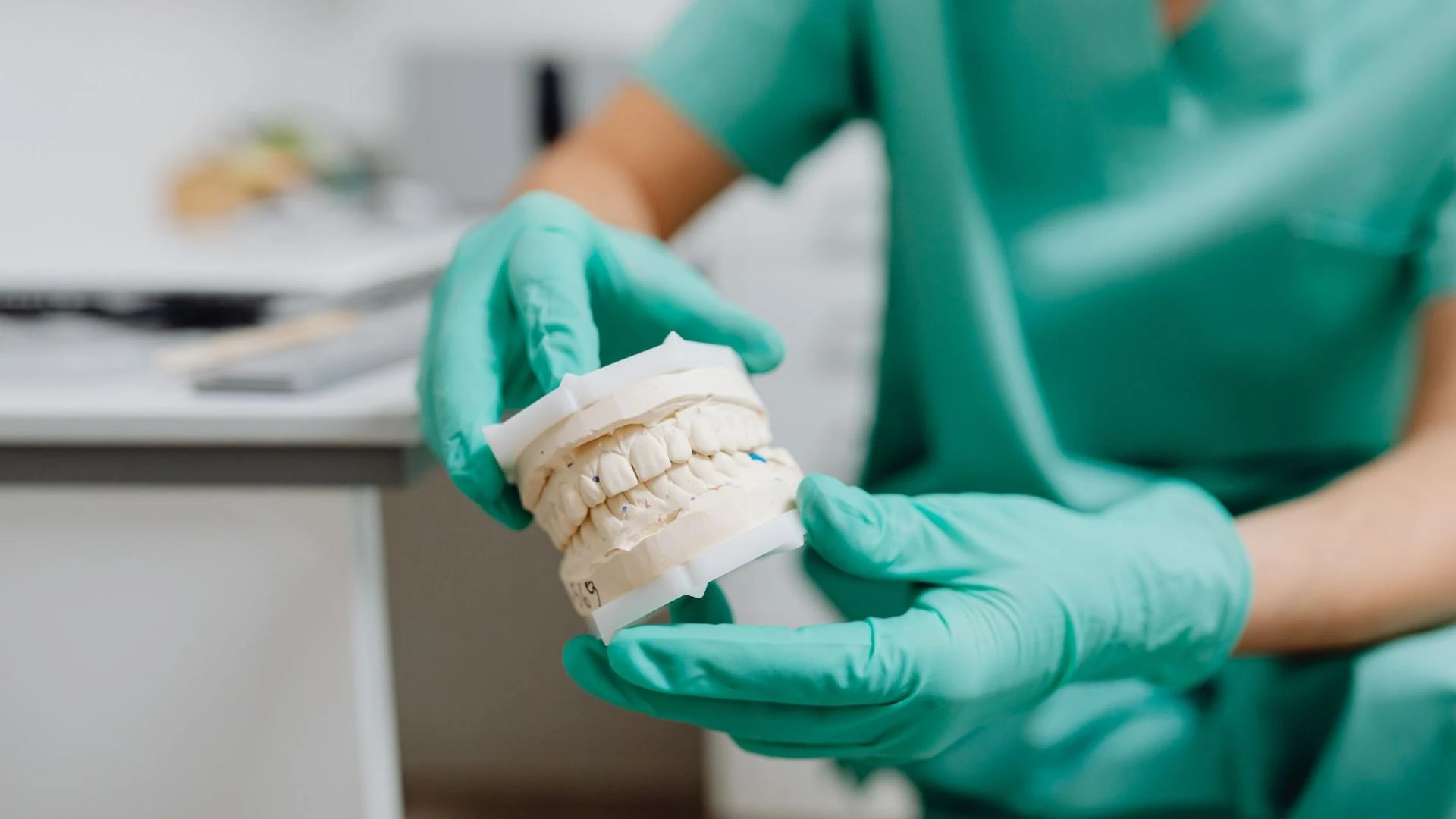
- Transparency & Education-Using models, animations, and before/after galleries, orthodontists walk patients through every step—reducing fear of the unknown.
- Comfort Breaks & Checkpoints-During longer visits, staff check in with patients about comfort, offer breaks, or adjust lighting/noise levels as needed.
- Follow-Up Compassion-Post-adjustment day messages, soreness check-ins, or “how’s the first night?” outreach help patients feel supported
This level of attentiveness turns what can feel medical into something human and reassuring.
The Technology That Drives Efficiency & Precision
A modern orthodontic studio is only as good as the technology it uses behind the scenes.
AI & Predictive Modelling
Machine learning helps model tooth movement progression, predict patient compliance risks, and suggest efficient adjustment sequences. That means fewer surprises and faster results.
Robotic Wire Bending & Custom Archwires
Some advanced labs complement the studio with robotic systems that pre-bend archwires with extreme precision, custom to each patient’s anatomy—minimizing in-office bending time and improving consistency.
In-House or Partnered 3D Printing
When needed, many studios print temporary aligners, models, or surgical guides in-house. This reduces turnaround times and enhances flexibility.
Digital Case Management Systems
Secure cloud platforms manage images, progress notes, compliance logs, billing, and treatment plans in one integrated system—reducing errors and improving coordination.
Tele-Orthodontic Tools
As mentioned earlier, remote check-ins, progress uploads, and virtual consultations are built into the workflow—not as an afterthought but as part of the fabric of care.
The Value of Design in Care
Beyond function and optics, design influences outcomes:
- Flow & Layout Efficiency-Studios are designed to minimize walking distance between tools and chairs, reduce bottlenecks, and streamline patient movement.
- Zoning & Privacy-Some offices use distinct zones—for consultations, treatment, or hygiene—to maintain patient privacy and reduce distractions.
- Biophilic Elements-Natural materials, green walls, and daylight improve mood and reduce stress—important for patients who may feel anxious.
- Color & Wayfinding-A coherent palette and subtle signage help guide patients through the space, reducing confusion and creating a calming experience.
Careful interior design supports both psychology and logistics, which ultimately enhances patient outcomes.
Closing Thoughts: Where Smiles and Innovation Meet
A modern orthodontic studio is more than just a place for braces—it’s a carefully crafted ecosystem. It weaves together digital precision, ergonomic comfort, and compassionate care to support both structural alignment and emotional confidence.
From the moment you walk in, to the first scan, to every adjustment session and remote check-in, each piece of design and technology plays a role. The ultimate goal? To make treatment feel less like a chore and more like a planned, supported step toward a confident smile.
As orthodontics continues to evolve, studios that embrace this integrated philosophy will set new benchmarks—not only in outcomes, but in how patients feel throughout the journey.