In the fast-paced world of automotive manufacturing, precision is everything. Even the slightest deviation in plastic injection-moulded components can affect performance, safety, and aesthetics. That’s where checking fixtures come into play.
Traditionally, these tools have been the backbone of quality assurance, ensuring that each part meets strict dimensional tolerances before assembly. However, as automotive technology advances and demand for faster production grows, innovations such as digital scanning and automation are transforming how checking fixtures are designed and used.
The Traditional Role Of Checking Fixtures
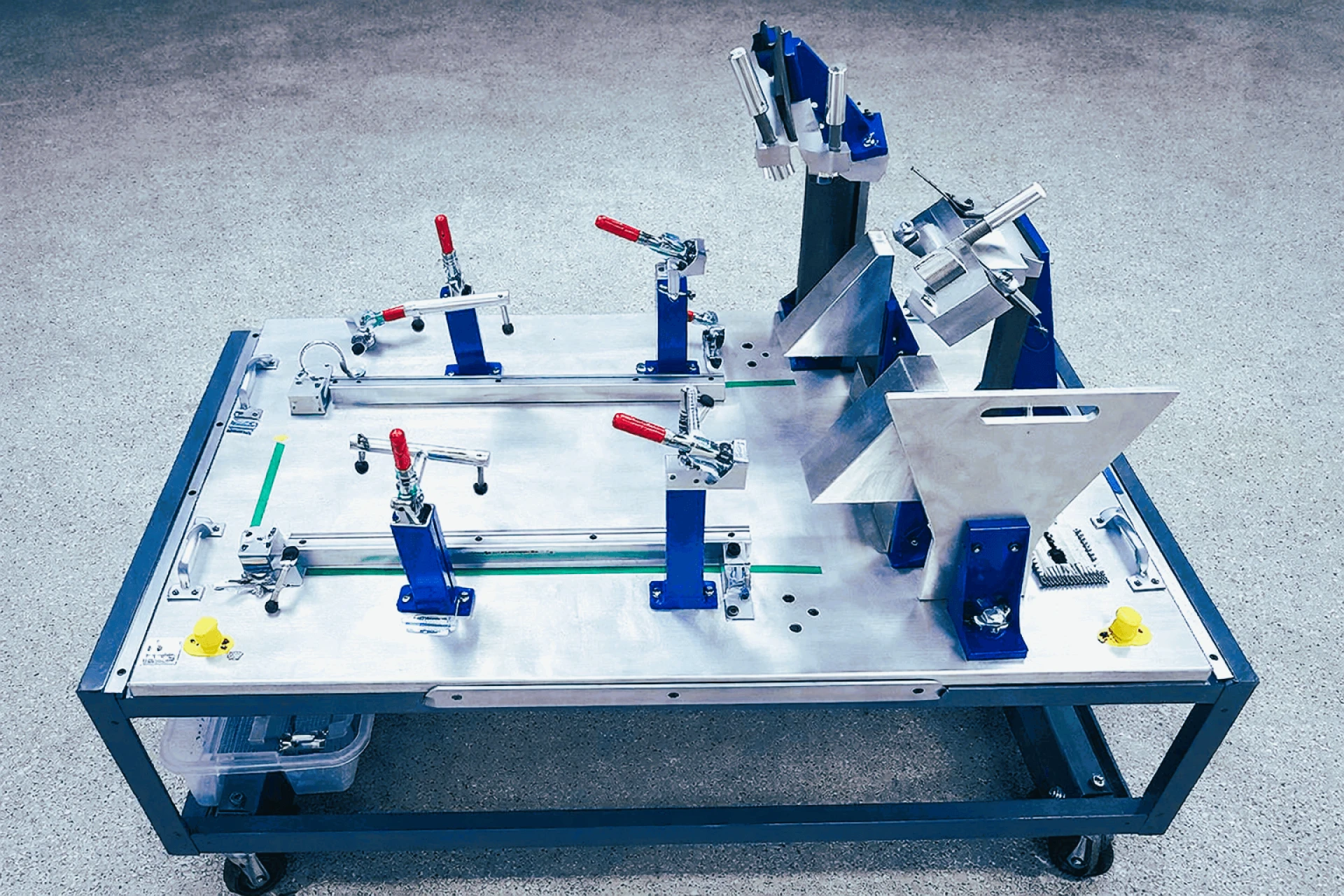
Checking fixtures, sometimes called inspection jigs, have long served as a reliable method for verifying part accuracy. Typically custom-designed for a specific component, these fixtures hold the moulded part in a precise position, allowing engineers to measure key dimensions against predetermined standards. This hands-on approach ensures that deviations are caught early, preventing defective parts from entering the assembly line.
While effective, traditional checking fixtures rely heavily on human interpretation. Inspectors must carefully align parts, take measurements, and manually record results. This can be time-consuming and is susceptible to human error, particularly when dealing with complex geometries or high-volume production.
Digital Scanning: A Game-Changer In Inspection
The integration of digital scanning technology is revolutionising the use of checking fixtures. 3D scanners and laser measurement systems allow for rapid, highly accurate capture of a part’s geometry. Instead of relying solely on visual or manual inspection, engineers can compare scanned data directly against CAD models, identifying even the smallest deviations.
This approach offers several advantages. First, it significantly speeds up the inspection process. A scan that might have taken hours using traditional methods can now be completed in minutes. Second, digital records create a traceable history of each part, supporting quality audits and regulatory compliance. Finally, 3D scanning reduces reliance on subjective interpretation, ensuring more consistent and reliable measurements across multiple inspectors or shifts.
Automation And Robotic Assistance
Beyond digital scanning, automation is taking checking fixtures to the next level.
Robotic arms and automated inspection cells can place, hold, and measure parts with minimal human intervention. For high-volume automotive production, this is particularly valuable. Automated systems can work continuously, maintain uniform pressure and alignment, and interface directly with quality management software to flag deviations in real time.
For example, a robotic inspection cell might pick a moulded door panel from the production line, position it in the checking fixture, and use laser sensors to verify critical dimensions. Any discrepancies are immediately recorded, and parts outside tolerance can be removed automatically from the line.
This integration not only reduces errors but also frees human inspectors to focus on complex analysis and problem-solving rather than repetitive measurements.
Materials And Fixture Design Innovations
Innovations in checking fixtures are not limited to technology alone; materials and design have also evolved. Modern fixtures often incorporate lightweight composites or aluminium alloys, reducing wear and making them easier to handle. Adjustable components and modular designs allow a single fixture to inspect multiple variations of a part, improving flexibility and reducing tooling costs.
Ergonomics is another area of innovation. Designers are now considering operator comfort and accessibility, ensuring that human interaction with the fixture—when required—is safe and efficient. This attention to detail improves inspection speed, reduces fatigue, and lowers the risk of errors in high-throughput environments.
Real-World Impact On Automotive Production
The combination of digital scanning, automation, and advanced fixture design has a tangible impact on automotive manufacturing. Companies adopting these innovations report higher first-pass yield rates, lower scrap levels, and faster production cycles. Defects are caught earlier, reducing costly rework and ensuring that only high-quality components reach the assembly line.
Moreover, the data captured through modern inspection systems provides valuable insights for continuous improvement. Engineers can analyse trends over time, identify recurring issues in mould design or material consistency, and make informed decisions to enhance overall production efficiency.
Looking Ahead: The Future Of Checking Fixtures
As automotive manufacturing continues to evolve, the role of checking fixtures will become increasingly intertwined with digital and automated processes.
Artificial intelligence and machine learning may soon allow inspection systems to predict potential defects before parts are even moulded, based on historical data and process parameters. Cloud-based platforms could enable real-time monitoring across multiple production sites, creating a networked quality control system that is both proactive and highly efficient.
Despite these technological advances, the fundamental purpose of checking fixtures remains the same: to ensure precision, reliability, and consistency in every component. The innovations of 2026 and beyond simply make that mission faster, smarter, and more reliable than ever before.
Embracing Innovation Without Losing Sight Of Quality
The evolution of checking fixtures in automotive plastic injection moulding illustrates the broader trend of combining traditional engineering expertise with cutting-edge technology. Digital scanning, automation, and advanced fixture materials are transforming inspection from a time-consuming, error-prone task into a streamlined, highly accurate process.
For automotive manufacturers, embracing these innovations is more than a matter of efficiency—it’s a strategic necessity. High-quality, precisely inspected components reduce scrap, improve safety, and strengthen brand reputation.
By integrating technology with the enduring principles of fixture design, companies can maintain the precision required in modern automotive production while preparing for the challenges and opportunities of the future.