Introduction: When a Once-Loved Tattoo Becomes a Burden
Subtitle: You are not alone, and you have options
At some point, almost every tattoo owner wonders, “Why did I get this?” Maybe you chose a design on impulse at nineteen. Maybe the name of a past partner still sits on your wrist. Or maybe your career, taste, or beliefs have changed since you first sat in the artist’s chair.
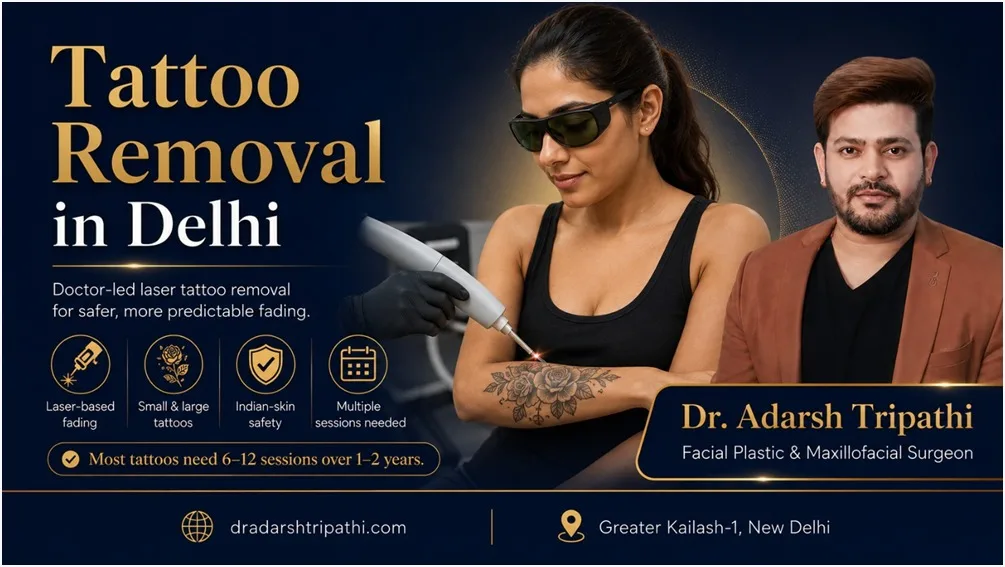
Tattoo regret is far more common than most people think. Studies across several countries suggest that a sizeable share of people with tattoos eventually want to change or remove at least one. The good news is that modern dermatology gives you a safe way forward. Today, tattoo removal treatment in Greater Kailash uses advanced laser technology to fade unwanted ink with minimal discomfort and a low risk of scarring.
However, deciding to remove a tattoo is a personal choice, and many beginners feel unsure about when to act. This guide walks you through seven clear signs that removal may be right for you. It also explains how the process works and how to prepare.
Sign 1: You Cover Your Tattoo Constantly
Subtitle: When hiding becomes a daily habit
First, ask yourself how often you hide your tattoo. If you wear long sleeves in summer, apply makeup before every outing, or choose clothes based on what they conceal, your tattoo is already affecting your life.
Hiding a tattoo occasionally is normal. Doing it every day, though, creates stress and limits your wardrobe. As a result, many people find that removal frees them from this routine. Once the ink fades, you can wear what you like without a second thought.
Sign 2: The Design Carries Painful Memories
Subtitle: Your skin should not hold on to what your heart has let go
Next, consider the emotional weight of your tattoo. A name, date, or symbol linked to a past relationship or a difficult chapter can trigger unwanted feelings every time you see it.
Moreover, a tattoo that once meant love or loyalty may now feel like a reminder of loss. In these cases, removal offers more than a cosmetic change. It provides emotional closure and a chance to move forward.
Sign 3: It Affects Your Career or Professional Image
Subtitle: Workplace expectations and visible ink
Although attitudes toward tattoos have relaxed, some professions still expect a conservative appearance. Corporate roles, hospitality, aviation, healthcare, and government services often have grooming guidelines that limit visible tattoos.
If your tattoo sits on your hands, neck, forearms, or face, it may hold you back from opportunities. Therefore, many working professionals choose tattoo removal treatment in Greater Kailash to align their appearance with their career goals. Because treatment takes place in short sessions, it fits easily around a busy work schedule.
Sign 4: The Tattoo Has Faded, Blurred, or Changed Shape
Subtitle: How time and skin changes affect your ink
Over the years, tattoos change. Sun exposure, weight fluctuations, ageing, and low-quality ink can cause lines to blur and colours to fade. A sharp design may turn into a patchy smudge.
Likewise, a poorly done tattoo, with uneven lines, misspelled words, or lopsided shapes, rarely improves with age. If your tattoo no longer looks the way you intended, removal or lightening can give you a clean slate. In addition, many people lighten an old tattoo first so a skilled artist can create a better cover-up design.
Sign 5: You Want a Cover-Up but Need the Old Ink Lightened
Subtitle: Fading first, covering second
Sometimes you do not want a blank canvas. You simply want a better tattoo. However, dark or large designs are hard to cover without producing a heavy, muddy result.
This is where partial laser sessions help. By fading the existing ink first, you give your tattoo artist more freedom to create a detailed, attractive design. Consequently, you avoid the common problem of a cover-up that looks bulkier than the original.
Sign 6: You Experience Skin Irritation or Reactions
Subtitle: When your tattoo causes physical problems
Although uncommon, some people develop itching, swelling, raised patches, or sensitivity in their tattooed skin. Certain pigments, especially red and yellow inks, may trigger allergic reactions even years after the tattoo was done.
If you notice persistent irritation, consult a qualified skin specialist before doing anything else. A medical professional can examine the area, identify the cause, and recommend the safest course of action. Early attention prevents complications and protects your skin health.
Sign 7: You Simply Feel Ready for a Change
Subtitle: Personal growth is reason enough
Finally, you do not need a dramatic reason to remove a tattoo. People evolve. Your tastes, values, and style at forty may look very different from those at twenty. If your tattoo no longer reflects who you are, that is a valid reason to say goodbye.
You owe no one an explanation. Ultimately, your body belongs to you, and you can choose how it looks.
How Laser Tattoo Removal Works: A Quick Beginner’s Overview
Subtitle: Understanding the science behind the process
Now that you know the signs, let’s look at how treatment works. Laser tattoo removal uses concentrated light energy to break tattoo pigment into tiny fragments. Your body’s immune system then clears these particles naturally over the following weeks.
Here is what a typical process looks like:
- Consultation: A specialist examines your tattoo, skin type, ink colour, and size.
- Patch test: Some clinics test a small area to check how your skin responds.
- Laser sessions: Each session lasts a few minutes to half an hour, depending on size.
- Healing and aftercare: You protect the area from sun and follow care instructions.
- Repeat sessions: Treatments usually happen four to eight weeks apart.
Most tattoos need several sessions. Black and dark blue inks tend to respond fastest, while green, yellow, and light colours may take longer. Likewise, older tattoos and those done by professionals can behave differently from amateur ones.
Choosing the Right Clinic: What Beginners Should Check
Subtitle: Safety and expertise matter more than price
Laser treatment is a medical procedure, so choosing the right clinic is crucial. First, look for qualified doctors with specific experience in laser tattoo removal. Next, confirm that the clinic uses modern, approved laser technology and maintains strict hygiene standards.
Additionally, consider clinics that offer broader skin and aesthetic services. A multi-speciality centre or a trusted plastic surgery clinic in Greater Kailash can manage the full picture, from laser removal to scar management or advanced reconstructive options for stubborn or large tattoos. In rare cases, such as very old, deeply embedded, or scarred tattoos, surgical solutions may complement laser care. Having all these options under one roof ensures safer, more tailored treatment.
Above all, choose a clinic that offers honest advice, explains realistic timelines, and never pressures you into a decision.
Aftercare Tips for Better Results
Subtitle: Simple habits that support healing
Proper aftercare speeds recovery and improves outcomes. To begin with, keep the treated area clean and dry. Then apply any prescribed ointment as directed, and avoid scratching or picking at blisters or scabs.
Equally important, protect your skin from the sun. Apply sunscreen once the area has healed, and avoid swimming pools, saunas, and heavy sweating for the first few days. Drinking plenty of water and maintaining a healthy lifestyle may also help your body clear pigment more efficiently.
Conclusion: Take the First Step Toward a Fresh Start
Subtitle: Your skin, your story, your decision
If you recognise yourself in any of these seven signs, you can act on that feeling. Tattoo regret does not have to last forever. With patience, professional guidance, and the right care, you can fade or remove unwanted ink and regain confidence in your skin.
Start by booking a consultation for plastic surgery clinic in Greater Kailash . A qualified specialist will assess your tattoo, explain your options, and create a plan that suits your goals and budget. Whether you choose complete removal or lightening for a new design, the first step is simply asking the question.