Image from Pexels
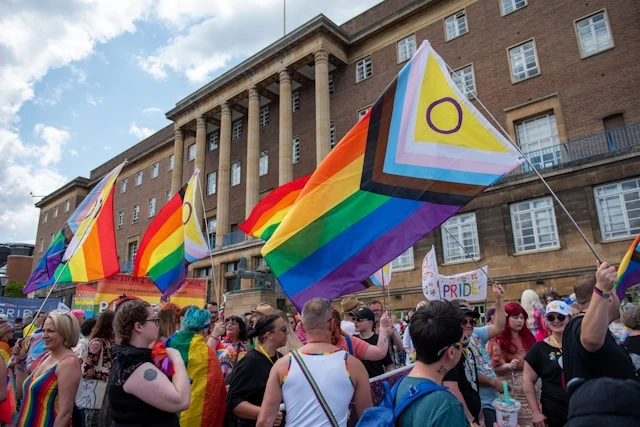
The junction of social media and Pride celebrations has changed the way LGBTQ+ people plan, advertise, and live through these important cultural events. From grassroots movements to international campaigns, social media has transformed Pride's profile, accessibility, and cultural influence. Knowing this technological impact helps one to see Pride's development from local parades to linked worldwide events that simultaneously preserve local cultural differences while supporting more general movements for LGBTQ+ rights, recognition, and representation both online and on the ground level.
Digital Organizing and Community Building
Pride activities now plan, call for volunteers, and foster community ties all year round using social media channels that have transformed everything. These days, event planning committees organize logistics, allocate tasks, and effectively exchange resources using specialized groups and communications tools. Systems of digital volunteer management simplify scheduling, training, and recruitment. Campaigns for online fundraising open financial assistance sources outside conventional corporate sponsorships.
Virtual town halls instantly address issues and solicit community comments on programming priorities. Digital accessibility technologies guarantee that impaired individuals of communities are included in planning. Strategies for multilingual communication cover linguistically different groups. Content year-round keeps community involvement between yearly festivals. Direct messaging tools help to approach possible volunteers and participants personally.
Event Promotion and Attendance Diversification
Strategic social media initiatives have revolutionized Pride event promotion outside conventional media coverage and word-of-mouth exposure. Targeting advertising reaches historically underrepresented demographic groups at Pride events. Event sites provide communication and attendance tracking as well as thorough information access. Through planned events, including speakers, performers, and activities, digital content calendars create buzz. Influencer relationships span fresh audience categories. While they generate event momentum, hashtag campaigns provide searchable content collections.
Location-based marketing is a way to get people to visit certain places. Listings for specialized events like a Philadelphia Pride Bar crawl bring in people who like going out at night and support LGBTQ+ businesses. Content created by users promotes community involvement in advertising campaigns. Sharing testimonials from past guests lends credibility to possible new registrants. These advanced digital marketing techniques not only greatly broaden Pride's audience demographic but also offer thorough analytical insights into community interests, therefore enabling organizers to produce more inclusive, responsive programming.
Representation, Visibility, and Identity Expression
Social media channels give many LGBTQ+ identities, unheard-of a chance to be seen during Pride season and beyond. For many viewers, personal narrative sharing via films, images, and written pieces humanizes events that might otherwise stay abstract. Hashtag movements draw attention to certain community groups that are sometimes excluded within more general LGBTQ+ venues. The geographic representation covers rural areas as well as metropolitan settings internationally.
Through digital channels, intergenerational conversation links LGBTQ+ seniors with young people. Content on identity exploration helps persons who are wondering about or recently identifying as LGBTQ+. Coming out stories offer accepted models for self-disclosure. Representation in corporate Pride events generates public awareness and starts meaningful debates regarding commercialization. LGBTQ+ content producers create customized followings with an eye toward specific identities or interests. The algorithm solves platform repression of LGBTQ+ content.
Digital Activism and Political Engagement
Social media has changed Pride's political aspects by providing quick response powers and easily available channels of activism. By means of petitions, donation campaigns, and contact efforts aimed at decision-makers, digital campaigns draw attention to legislative challenges to LGBTQ+ rights and mobilize community responses. Hashtag activism brings attention to problems influencing LGBTQ+ communities' most vulnerable members.
Real-time updates during events coordinate participant movements and distribute safety advice. When problems develop, documentation of police contacts offers proof and responsibility. Legal support crowdsourced for activists links them with resources during big events. International solidarity activities at pivotal human rights events link pride attendees worldwide. Projects for voter registration and education use Pride involvement for political involvement. Digital toolkits give members of communities' tools for personal advocacy, images, and talking points.
Challenges and Evolving Platform Strategies
Digital participation with Pride presents particular difficulties for organizers and attendees who need calculated answers. On big platforms, content moderation rules sometimes disproportionately limit LGBTQ+ content, which calls for cautious language and graphic choices. Targeting Pride-related accounts with harassment calls for strong security systems and community reporting channels. Privacy issues affect people from areas or groups where openly LGBTQ+ behavior poses serious hazards.
Algorithms necessitate ongoing customization of content tactics to keep visibility. For grassroots organizations, platform monetization needs cause financial obstacles. Digital divides impede community involvement from those with less technological access. Targeting Pride celebrations with false allegations and contrived disputes, misinformation operations especially try to discredit Pride. As platforms change or disappear, content retention issues impact historical documentation. Different platforms help to reduce reliance on services.
Conclusion
Reflecting larger technological and societal changes while keeping a link to the historical roots of the movement, the relationship between social media and Pride festivities is always changing. The most effective strategies combine digital and physical encounters since they both are valid Pride manifestations. Pride celebrations may use social media's connected power by carefully negotiating this digital terrain, therefore keeping the movement's central values of real representation, community empowerment, and support of LGBTQ+ rights and dignity across all spheres.