
In healthcare environments where invisible threats can have devastating consequences, the ability to systematically evaluate and mitigate infection risks has become an essential survival skill for every worker. Infection Control Risk Assessment represents a sophisticated framework that transforms abstract microbial dangers into manageable, measurable challenges that can be addressed through strategic planning and coordinated action.
The modern healthcare landscape demands more than basic hygiene protocols and surface-level precautions. Workers across all departments, from maintenance crews to administrative staff, must develop a nuanced understanding of how infectious agents move through environments, interact with human behavior, and exploit weaknesses in established safety systems. This comprehensive awareness enables proactive risk management rather than reactive crisis response.
The evolution of ICRA practices reflects decades of hard-learned lessons from healthcare-associated infections, emerging pathogen outbreaks, and the constant pressure of antimicrobial resistance. Every protocol, every assessment criterion, and every preventive measure has been refined through real-world experience and scientific validation. Workers who master these fundamentals become active participants in protecting not only themselves but entire communities from preventable infections.
Recognizing Hidden Danger Zones
Healthcare facilities contain countless microenvironments where infectious agents can establish footholds and multiply undetected. These danger zones often exist in locations that appear innocuous to untrained observers but represent significant risk factors for disease transmission. Understanding these hidden threats requires developing a trained eye that can identify potential problems before they escalate into actual outbreaks.
Water systems present particularly complex challenges because they provide ideal breeding conditions for various pathogens while remaining largely invisible to daily operations. Stagnant water in unused fixtures, inadequate temperature control in hot water systems, and biofilm formation in pipes create reservoirs that can suddenly release dangerous concentrations of infectious agents into the environment. Workers must understand how these systems function and recognize early warning signs of contamination.
Ventilation systems serve as highways for airborne pathogens, distributing contaminated air throughout facilities if not properly maintained and monitored. The relationship between air pressure differentials, filtration efficiency, and pathogen concentration requires careful consideration during construction, renovation, and daily operations. Workers need to appreciate how their activities can disrupt established air flow patterns and create unintended transmission pathways.
Environmental surfaces that appear clean can harbor persistent pathogens that survive standard cleaning procedures. High-touch surfaces in particular become focal points for cross-contamination when multiple individuals interact with them throughout the day. The ability to identify these critical control points and implement appropriate intervention strategies becomes essential for maintaining safe environments.
Decoding Patient Population Vulnerabilities
Different patient populations present varying levels of infection risk based on their underlying health conditions, immune system status, and treatment requirements. Understanding these vulnerability patterns enables workers to adjust their protective measures appropriately and allocate resources where they will have the greatest impact on patient safety outcomes.
Immunocompromised patients require heightened protection because their weakened immune systems cannot effectively fight off infections that healthy individuals might easily overcome. These patients may be receiving chemotherapy, organ transplant medications, or suffering from conditions that naturally suppress immune function. Workers must recognize the signs of immune compromise and understand how their actions can either protect or endanger these vulnerable individuals.
Pediatric populations face unique challenges because their immune systems are still developing and they may not be able to comply with infection prevention measures. Children also tend to have more direct physical contact with their environment and may not understand the importance of hand hygiene or respiratory etiquette. Workers must adapt their approaches to account for these developmental considerations while maintaining effective protection.
Elderly patients often have multiple risk factors that compound their vulnerability to infections. Age-related changes in immune function, the presence of chronic diseases, and the use of medical devices all increase the likelihood of healthcare-associated infections. Workers need to understand how these factors interact and develop comprehensive protection strategies that address multiple risk elements simultaneously.
Environmental Surveillance Strategies
Effective infection control requires systematic monitoring of environmental conditions that influence pathogen survival and transmission. This surveillance extends far beyond periodic visual inspections to include quantitative measurements, trend analysis, and predictive assessments that can identify problems before they manifest as clinical infections.
Microbiological sampling provides direct evidence of pathogen presence and concentration in critical areas. However, the interpretation of sampling results requires understanding the difference between expected background levels and concerning elevations that indicate control failures. Workers must learn to distinguish between normal environmental flora and potentially dangerous pathogens that require immediate intervention.
Water quality monitoring involves multiple parameters that collectively indicate the safety of water systems. Temperature measurements, chemical disinfectant levels, and microbiological indicators must be evaluated together to provide a complete picture of system performance. Workers need to understand how these different measures relate to each other and what combinations indicate potential problems.
Air quality assessment includes both particulate monitoring and microbiological sampling to evaluate the effectiveness of ventilation systems and identify sources of airborne contamination. The relationship between outdoor air quality, filtration efficiency, and indoor environmental conditions requires careful consideration during different weather patterns and seasonal variations.
Dynamic Risk Calculation Methods
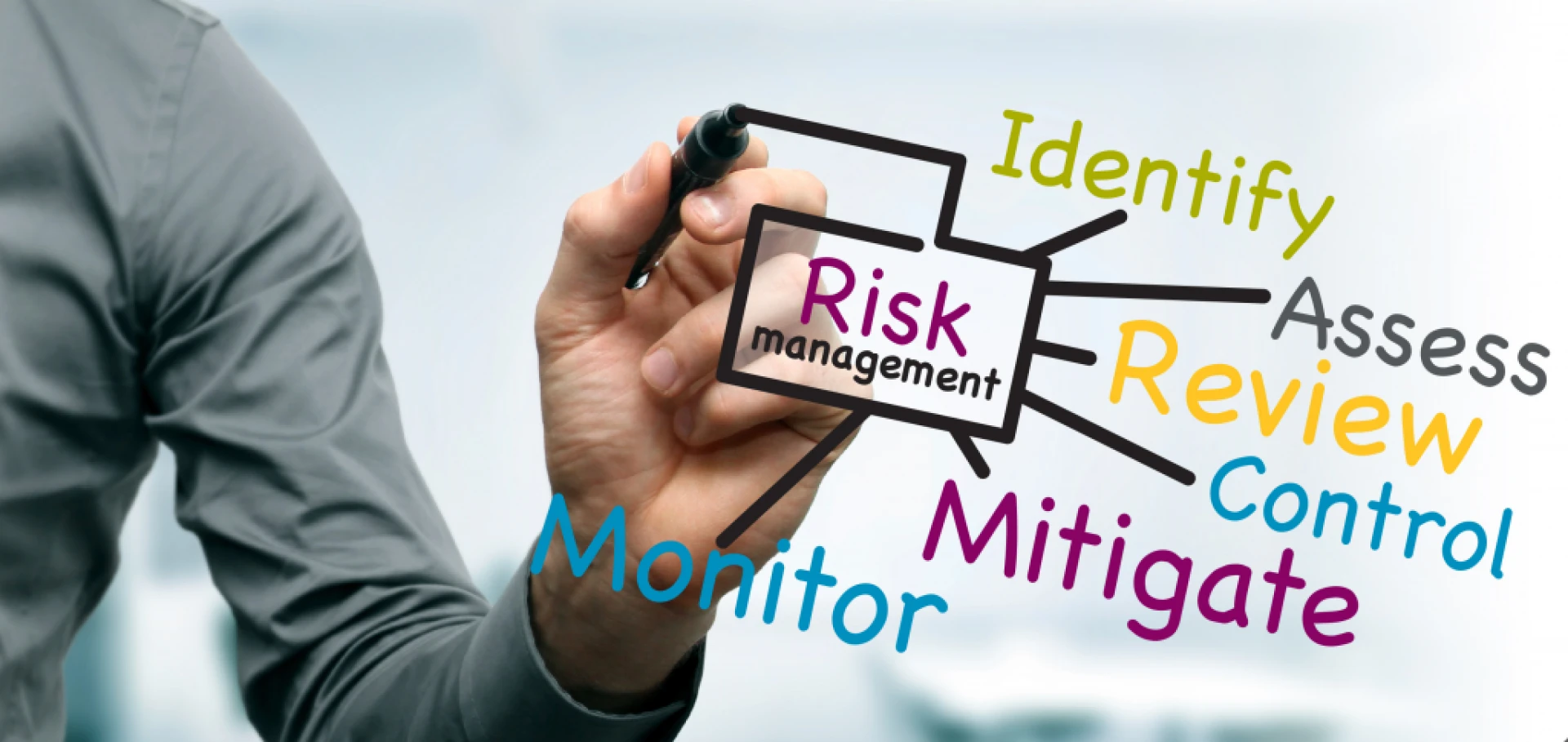
Modern ICRA practices employ sophisticated risk calculation methods that account for multiple variables and their interactions rather than relying on simple checklists or static protocols. These dynamic approaches recognize that infection risk is constantly changing based on patient mix, environmental conditions, staffing levels, and ongoing activities within healthcare facilities.
Probability matrices help workers understand how different risk factors combine to create overall threat levels. Rather than viewing individual risks in isolation, these tools demonstrate how multiple modest risks can compound to create significant dangers, or how strong protective measures in one area can compensate for unavoidable risks in another area.
Temporal risk assessment acknowledges that infection risks vary throughout different time periods based on predictable patterns of activity and environmental conditions. Morning patient care activities may create different risk profiles than evening cleaning procedures or overnight minimal staffing periods. Workers must understand these patterns and adjust their vigilance accordingly.
Activity-based risk evaluation focuses on how specific procedures and tasks influence infection transmission potential. The same physical space may present vastly different risk levels during routine maintenance versus sterile procedures versus patient transport activities. Workers need to develop situational awareness that enables appropriate risk assessment regardless of changing circumstances.
Personal Protection Equipment Optimization
The selection and use of personal protective equipment requires careful consideration of specific risk factors rather than blanket application of maximum protection measures. Effective PPE strategies balance adequate protection with practical considerations such as comfort, communication ability, and resource availability while maintaining consistent compliance across all staff members.
Respiratory protection decisions depend on understanding the characteristics of specific pathogens, the likelihood of aerosol generation, and the effectiveness of different filtration technologies. Workers must learn to match protection levels with actual risk levels rather than defaulting to either inadequate or excessive measures that compromise overall safety.
Barrier protection strategies involve more than simply wearing gloves and gowns but require understanding how these barriers function and where they might fail. Proper donning and doffing procedures prevent the very contamination that PPE is designed to prevent, while inappropriate use can actually increase transmission risks.
Eye protection considerations extend beyond splash protection to include understanding how contaminated hands can transfer pathogens from environmental surfaces to mucous membranes. Workers must develop habits that maintain the integrity of protective barriers throughout entire work shifts rather than just during high-risk procedures.
Communication and Documentation Excellence
Effective infection control relies heavily on clear communication between different workers, departments, and shifts to ensure continuity of protective measures and rapid response to emerging threats. This communication must be precise, timely, and actionable while avoiding information overload that can reduce compliance with essential protocols.
Risk communication requires translating complex technical information into practical guidance that workers can understand and implement consistently. The challenge lies in conveying the importance of protective measures without creating unnecessary anxiety or complacency. Workers must learn to communicate risk information in ways that motivate appropriate behavior without overwhelming colleagues with excessive detail.
Documentation practices serve multiple purposes including regulatory compliance, quality improvement, and legal protection. However, effective documentation also serves as a communication tool that enables pattern recognition and trend analysis. ICRA training programs emphasize the importance of accurate record-keeping that captures not only what happened but also the context and decision-making process that led to specific actions.
Incident reporting systems depend on worker participation to identify system failures and near-miss events that can prevent future problems. The effectiveness of these systems relies on creating a culture where workers feel comfortable reporting concerns without fear of blame or retaliation. This requires understanding the difference between individual errors and system failures that require organizational responses.
Continuous Improvement and Adaptation
Infection control practices must evolve continuously to address emerging pathogens, changing healthcare practices, and lessons learned from ongoing experience. Workers must develop a mindset of continuous learning and adaptation rather than viewing ICRA as a static set of rules to be followed without question or modification.
Performance monitoring involves tracking both process measures and outcome indicators to evaluate the effectiveness of infection control interventions. Workers need to understand how their individual actions contribute to larger performance metrics and how changes in these metrics might indicate the need for practice modifications.
Feedback integration requires workers to actively participate in quality improvement processes by sharing observations, suggesting improvements, and implementing practice changes based on new evidence or changing circumstances. This participation transforms workers from passive followers of protocols into active contributors to infection prevention efforts.
Conclusion
Mastering Infection Control Risk Assessment basics empowers every healthcare worker to become an active guardian against preventable infections that threaten patient safety and public health. The sophisticated understanding of risk factors, environmental hazards, and protective strategies enables workers to move beyond simple rule-following to become thoughtful practitioners who can adapt their approaches to changing circumstances while maintaining consistent protection standards.
The investment in comprehensive ICRA knowledge pays dividends through reduced infection rates, improved patient outcomes, and enhanced workplace safety that protects both healthcare workers and the communities they serve. As healthcare environments continue to evolve and new infectious threats emerge, workers with strong foundational knowledge in infection control risk assessment will be better prepared to meet these challenges and continue providing safe, effective care.
The responsibility for infection prevention extends to every individual within healthcare organizations, regardless of their specific role or department. By understanding and applying ICRA principles consistently, workers contribute to a culture of safety that benefits everyone while building the expertise needed to address future challenges in an ever-changing healthcare landscape.