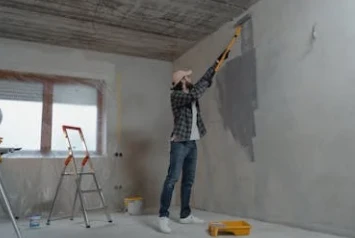
Industrial painting is a crucial process for maintaining the integrity, longevity, and aesthetic appeal of equipment, machinery, and structures in manufacturing plants, warehouses, and other industrial facilities. However, it’s also a task that carries inherent risks, ranging from chemical exposure to fire hazards. Ensuring safety during industrial painting is not just a regulatory requirement—it’s essential for protecting employees, equipment, and your facility’s reputation.
In this article, we’ll explore essential industrial painting services safety measures that every facility should implement. Whether you are hiring external contractors like Citibay Painting or managing in-house painting crews, these guidelines will help maintain a safe and efficient work environment.
1. Conduct a Comprehensive Risk Assessment
Before starting any industrial painting project, facilities should perform a detailed risk assessment. This involves identifying potential hazards associated with paint materials, equipment, and the work environment. Common risks include:
- Exposure to volatile organic compounds (VOCs) and other harmful chemicals
- Slips, trips, and falls due to wet surfaces
- Fire and explosion risks from flammable paint and solvents
- Respiratory hazards from airborne particles
A thorough risk assessment helps in selecting the proper personal protective equipment (PPE), ventilation solutions, and fire prevention strategies. Experienced industrial painting services like Citibay Painting often perform this assessment as part of their project planning.
2. Provide Proper Personal Protective Equipment (PPE)
Ensuring that all personnel involved in industrial painting wear the appropriate PPE is one of the most effective ways to prevent accidents and health issues. Essential PPE may include:
- Respirators or masks for protection against harmful fumes and dust
- Chemical-resistant gloves and coveralls
- Safety goggles or face shields
- Non-slip footwear
PPE should be inspected regularly and replaced as needed to maintain effectiveness. Contractors like Citibay Painting often provide PPE training and ensure that workers are properly equipped before entering the job site.
3. Implement Effective Ventilation Systems
Many industrial paints release hazardous fumes that can cause respiratory problems, dizziness, and long-term health issues. Proper ventilation is critical to minimize exposure to these fumes. Facilities should:
- Use exhaust fans and air filtration systems in enclosed spaces
- Ensure fresh air circulation to reduce fume concentration
- Consider using low-VOC or water-based paints when possible
Professional industrial painting services can recommend ventilation solutions tailored to your facility, ensuring compliance with safety standards.
4. Maintain Fire Safety Protocols
Flammable paints and solvents are common in industrial painting, which makes fire safety a top priority. Measures to prevent fire hazards include:
- Storing flammable materials in designated, ventilated areas
- Keeping fire extinguishers readily accessible in work zones
- Ensuring electrical equipment is properly grounded to prevent sparks
- Prohibiting smoking or open flames near painting areas
By adhering to these protocols, facilities can significantly reduce the risk of fires during painting operations.
5. Train Employees and Contractors
Safety training is essential for all personnel involved in industrial painting. Training should cover:
- Correct handling and storage of paints and solvents
- Proper use of PPE
- Emergency procedures in case of fire, chemical spills, or injuries
- Safe operation of spray equipment and ladders
Contracting reputable companies like Citibay Painting ensures that trained and certified personnel carry out the painting project, minimizing the likelihood of accidents.
6. Implement Proper Equipment Maintenance
Industrial painting often involves the use of specialized equipment such as spray guns, scaffolding, and lifts. Ensuring these tools are properly maintained is vital for safety:
- Inspect spray equipment for leaks or damage
- Ensure ladders and scaffolds are stable and correctly assembled
- Check that ventilation and air filtration systems are functioning properly
Routine maintenance not only improves safety but also enhances the quality of the paint job, protecting your facility’s assets.
7. Monitor and Control Environmental Conditions
Environmental factors like temperature, humidity, and airflow can affect both the safety and quality of industrial painting. Facilities should monitor these conditions to prevent:
- Paint curing issues due to improper temperature or humidity
- Increased fume concentration in poorly ventilated areas
- Slip hazards from condensation or wet paint surfaces
Industrial painting services like Citibay Painting often use climate-controlled methods and monitoring tools to maintain optimal conditions during projects.
8. Establish Emergency Response Plans
Even with stringent safety measures, accidents can happen. Preparing for emergencies is a critical component of industrial painting safety. Facilities should:
- Develop and communicate clear emergency protocols
- Equip the facility with spill containment kits, first-aid supplies, and eyewash stations
- Conduct regular emergency drills to ensure staff know how to respond quickly
A well-prepared response plan can minimize injuries and damage, keeping your facility running smoothly.
9. Regularly Review and Update Safety Protocols
Industrial painting safety is not a one-time effort. Facilities must regularly review and update safety measures to reflect changes in:
- Industry regulations and OSHA standards
- New paint products or application technologies
- Lessons learned from past projects
Partnering with experienced industrial painting services like Citibay Painting ensures that your facility stays current with the latest safety best practices.
Conclusion
Safety in industrial painting is a multi-faceted responsibility that requires careful planning, proper equipment, trained personnel, and ongoing vigilance. By implementing these measures, facilities can protect their employees, minimize risks, and ensure high-quality painting results.
Whether handling in-house painting or outsourcing to trusted experts like Citibay Painting, prioritizing safety is essential. Following these guidelines will not only comply with regulations but also create a safer, more efficient, and productive industrial environment.
Investing in professional industrial painting services is not just about aesthetics—it’s about safety, reliability, and the long-term protection of your facility.