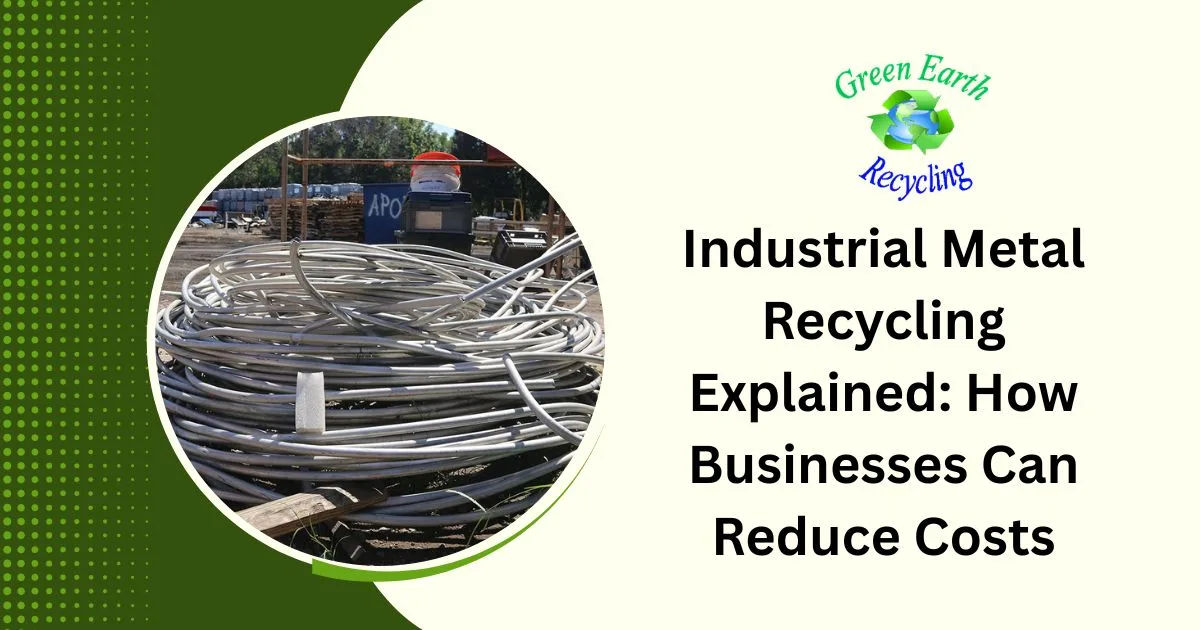
What happens to the metal scraps left behind after a construction project wraps up or a machine gets decommissioned?
For most businesses, the answer is simple - it gets hauled away. What rarely gets considered is that those scraps have real dollar value, and disposing of them instead of recycling them is essentially throwing money out the door.
Setting up a metal recycling program is not complicated. It does not require a large operation or a dedicated sustainability team. What it requires is knowing how the process works and finding the right partner to make it practical.
The Real Cost of Ignoring Scrap Metal
Most facilities generate more recyclable metal than they realize. Steel offcuts from fabrication, aluminum trimmings, old wiring, worn-out equipment parts - it all adds up. The scrap metal market prices these materials based on daily commodity rates, meaning the pile sitting in the corner of a shop floor has a number attached to it.
The businesses that leave money behind are usually the ones treating scrap as a nuisance rather than an asset. A mid-size manufacturing operation generating consistent steel and aluminum scrap could realistically recover thousands of dollars per month with very little change to existing workflows.
What Industrial Metal Recycling Involves
Industrial metal recycling covers the collection, sorting, and processing of metallic waste generated through manufacturing, construction, demolition, and equipment removal. The scale and variety of materials involved set it apart from standard consumer recycling, and so does the payout.
Getting started is easier than most expect:
- Sort at the source - separating ferrous metals (steel, iron) from non-ferrous (aluminum, copper, brass) takes minutes and directly improves what a scrap yard metal recycling facility will pay.
- Track your volumes - even a rough weekly estimate helps when negotiating pickup schedules or drop-off rates.
- Choose the right logistics - high-volume operations often qualify for scheduled collections; smaller generators typically drop loads off directly.
- Verify pricing transparency - any credible recycler posts daily rates and uses certified scales. If they don't, keep looking.
- Keep basic records - documentation protects businesses during inspections and simplifies environmental compliance reporting.
Quick Example: A Columbus HVAC contractor pulled 340 lbs of copper piping from a commercial renovation and brought it to a local yard. The payout covered over $500, money recovered from material that would have otherwise cost the business to dispose of.
Where the Financial Return Comes From
The payout from recycling depends on what metals a business generates and how cleanly those materials are sorted. Copper metal recycling tends to deliver the strongest return per pound - copper is valuable, widely used in electrical, plumbing, and HVAC applications, and consistently in demand.
Steel and iron pay considerably less per pound, but most industrial facilities generate far more of it. Volume fills the gap. Mixed or contaminated loads reduce payouts by 20–40%, which is why a few minutes of sorting at the source almost always pays off.
Choosing a Recycling Partner in Columbus, Ohio
Proximity matters more than people think. Working with a local yard cuts transport costs and makes it easier to build a relationship that improves pricing over time. For facilities in central Ohio, Columbus metal recycling infrastructure is solid, covering everything from heavy construction scrap to precision manufacturing waste.
The right partner will have certified weighing equipment, visible daily pricing, and genuine experience handling the alloys a specific operation produces. The wider network for recycling in Columbus, Ohio, extends to electronics, automotive, and specialized industrial materials, so finding a facility that fits is rarely a problem.
Frequently Asked Questions
Q: Which metals have the highest recycling value?
A: Copper leads consistently, followed by aluminum, brass, and stainless steel. Clean, sorted loads always fetch better rates.
Q: Is there a minimum volume required?
A: No. Even a few hundred pounds monthly returns measurable value and eliminates disposal costs. Most programs pay for themselves from the first load.
Q: Can contaminated scrap still be recycled?
A: It can still be recycled, but expect deductions. Basic sorting and cleaning at the source can recover 20–40% more per pound.
Q: Do businesses need special permits to sell scrap?
A: Ohio requires identification and basic business documentation for commercial transactions. A licensed yard handles their own compliance; businesses just need to keep clean records.
Wrapping Up
Scrap metal is not waste; it is an unmanaged asset. The businesses that recognize that early tend to build simple, consistent programs that pay off every single month. A quick audit of what metals a facility generates, a conversation with two or three local recyclers, and a basic sorting system at the source is genuinely all it takes to get started.
Contact Green Earth Recycling today and find out exactly what your scrap is worth.