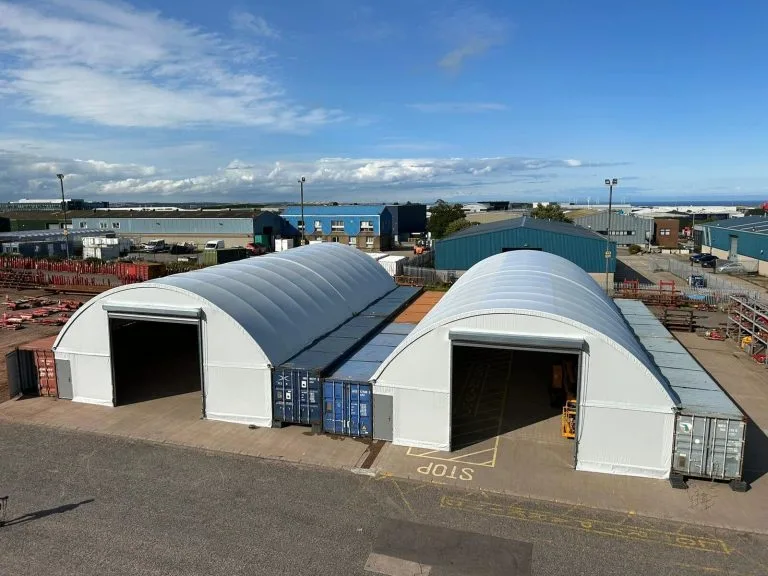
Industrial canopies in the UK are transforming how businesses utilise outdoor spaces, offering flexible, cost-effective solutions for storage, operations, and workflow improvement. As industries face increasing pressure to maximise efficiency and reduce overheads, these modular structures provide a practical alternative to traditional buildings.
One of the key advantages of industrial canopies is their ability to convert unused outdoor areas into productive, sheltered environments. Businesses can quickly establish secure storage zones, covered workspaces, or loading bays without the need for permanent construction. This adaptability allows organisations to expand operations without major disruption or long lead times.
Weather protection is another major benefit, especially in the UK’s unpredictable climate. Industrial canopies are designed using durable materials such as galvanised steel frames and high-quality covers that protect equipment, materials, and staff from rain, wind, and snow. This ensures that operations can continue efficiently regardless of weather conditions, reducing downtime and preventing costly damage.
Flexibility and versatility make these structures particularly valuable for a wide range of industries. From manufacturing and logistics to recycling and agriculture, industrial canopies can be used for multiple purposes. They can serve as maintenance bays, temporary workshops, or secure storage for bulk materials. Their modular design means businesses can easily reconfigure or relocate them as operational needs change.
Another significant advantage is rapid installation. Unlike traditional buildings that may take months to complete, industrial canopies can often be deployed within days. This quick turnaround enables businesses to respond swiftly to changing demands, seasonal requirements, or project expansions, improving overall productivity.
Cost-effectiveness is also a major factor driving adoption. Industrial canopies typically require less investment than permanent structures and involve lower maintenance costs. Additionally, they often eliminate the need for extensive foundations or planning permissions, making them a more accessible option for many businesses.
In conclusion, industrial canopies provide UK businesses with a smart way to optimise outdoor spaces. By offering protection, flexibility, and scalability, these structures help organisations improve efficiency, reduce costs, and adapt to evolving operational needs.
Outdoor workspaces and storage areas are often exposed to rain, wind, and other challenging conditions, which can affect materials, machinery, and staff productivity. Industrial canopies in the UK provide covered, practical areas that allow businesses to continue operations without interruption, safeguard assets, and create organised work zones that enhance workflow efficiency.
Constructed with robust materials and expert engineering, these shelters are built to withstand harsh conditions while remaining long-lasting. Their modular and adaptable design allows expansion, relocation, or reconfiguration as operational requirements evolve. For businesses managing outdoor areas, these canopies provide a reliable and cost-effective method to protect assets and maintain organised, efficient spaces.
Canopies can be tailored in size, layout, and access points to meet business requirements. Companies can create functional work zones, separate storage areas, or accommodate machinery and vehicles, ensuring the canopy integrates seamlessly with operations.
For businesses seeking versatile coverage, container canopies can enhance current infrastructure greatly. These adaptable structures support organised workflows, protect assets, and ensure outdoor work and storage areas remain efficient and accessible.
Industrial canopies offer outstanding flexibility for growing or changing businesses. Sections can be expanded, reduced, relocated, or reconfigured to suit evolving storage needs or operational demands. This adaptability makes them ideal for seasonal peaks, project-based work, or fluctuating stock levels, providing scalable space without the delays of permanent construction.