
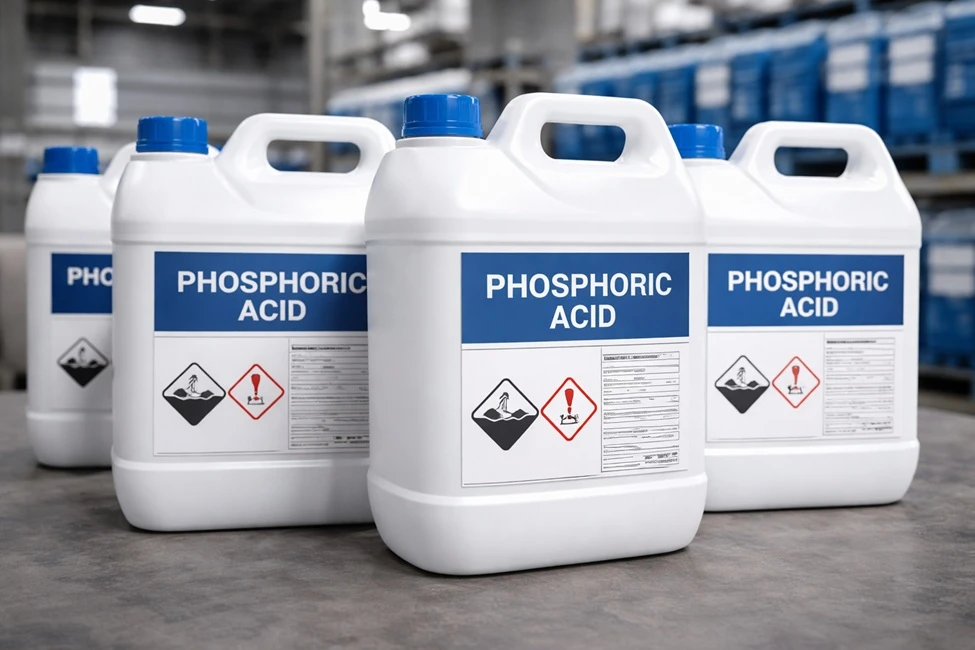
Phosphoric Acid plays a major role across many industrial sectors in Australia. It is valued for its chemical stability, versatility, and effectiveness in both large-scale manufacturing and specialised industrial processes. From agriculture and food production to metal treatment and water management, industries rely on Phosphoric Acid to improve efficiency, product quality, and operational safety. Understanding its industrial benefits helps businesses appreciate why it remains one of the most widely used industrial acids in Australia.
Understanding Phosphoric Acid in Industry
Phosphoric Acid is a mineral acid commonly produced from phosphate rock. It is less aggressive than many other industrial acids, which makes it easier to handle and safer for controlled industrial use. Australian industries prefer it because it offers reliable performance while meeting strict safety and environmental standards.
Unlike stronger acids, Phosphoric Acid allows gradual and predictable chemical reactions. This makes it suitable for applications where precision and consistency are essential. Its compatibility with a wide range of materials further increases its industrial value.
Role in Fertiliser Manufacturing
One of the most significant industrial benefits of Phosphoric Acid is its use in fertiliser production. Australia has a strong agricultural sector, and fertilisers are critical for crop yield and soil health. Phosphoric Acid is a key ingredient in phosphate-based fertilisers that support root development, plant strength, and overall crop productivity.
Manufacturers use Phosphoric Acid to produce both liquid and granular fertilisers. These products help Australian farmers improve nutrient absorption in crops such as wheat, barley, sugarcane, and horticultural produce. The controlled release of phosphorus from these fertilisers supports sustainable farming practices and helps maintain long-term soil fertility.
Importance in Food and Beverage Processing
Phosphoric Acid is widely used in the food and beverage industry due to its purity and regulatory approval. It acts as an acidity regulator, flavour enhancer, and preservative. Australian food manufacturers rely on it to maintain product consistency and shelf stability.
In beverage production, Phosphoric Acid helps balance flavour profiles, especially in soft drinks and flavoured beverages. In food processing, it supports safe preservation methods and assists in maintaining the desired texture and appearance of packaged products. Its predictable behaviour under controlled conditions makes it ideal for large-scale food manufacturing environments.
Use in Metal Treatment and Surface Preparation
Metal processing industries benefit greatly from Phosphoric Acid. It is commonly used in metal cleaning, rust removal, and surface preparation before painting or coating. Australian manufacturing and construction sectors depend on this process to improve product durability and corrosion resistance.
When applied to metal surfaces, Phosphoric Acid reacts with iron oxides and converts them into a stable phosphate layer. This layer improves paint adhesion and extends the lifespan of metal structures and components. Industries such as automotive manufacturing, heavy equipment production, and infrastructure development rely on this process to meet quality and safety standards.
Contribution to Water Treatment Systems
Water treatment is another area where Phosphoric Acid delivers strong industrial value. In Australia, industries use it to manage water quality in cooling systems, boilers, and wastewater treatment facilities. It helps control mineral scaling and supports stable pH levels.
By preventing scale build-up, Phosphoric Acid improves energy efficiency and reduces maintenance costs in industrial water systems. It also assists in protecting pipes and equipment from corrosion, which is especially important in large industrial plants and processing facilities.
Application in Chemical Manufacturing
Phosphoric Acid is a foundational material in chemical manufacturing. It is used to produce a wide range of phosphate-based chemicals that serve multiple industries. These include detergents, cleaning agents, flame retardants, and industrial coatings.
Australian chemical manufacturers value Phosphoric Acid for its consistent quality and compatibility with other raw materials. Its role as a building block chemical supports innovation and product development across diverse industrial sectors.
Benefits in Cleaning and Maintenance Products
Industrial cleaning products often contain Phosphoric Acid due to its effectiveness in removing mineral deposits, scale, and residues. It is commonly used in cleaners designed for industrial kitchens, processing equipment, and manufacturing facilities.
Compared to harsher acids, Phosphoric Acid provides strong cleaning performance with lower risk of surface damage. This makes it suitable for regular maintenance routines in food processing plants, factories, and commercial facilities across Australia.
Support for Sustainable Industrial Practices
Sustainability is an increasing priority for Australian industries. Phosphoric Acid supports environmentally responsible practices when used correctly. Its efficiency reduces the need for excessive chemical use, and its predictable reactions help minimise waste.
In agriculture and water treatment, its controlled application helps reduce nutrient runoff and environmental impact. In manufacturing, its ability to extend equipment life contributes to reduced resource consumption and lower long-term emissions.
Safety and Handling Advantages
From an industrial safety perspective, Phosphoric Acid offers advantages over more aggressive acids. It has lower volatility and produces fewer harmful fumes, making it safer for workers when proper handling procedures are followed.
Australian industries follow strict safety guidelines, and Phosphoric Acid fits well within these frameworks. Its stable nature allows for safer storage, transport, and controlled use across industrial facilities.
Role in Construction and Infrastructure
Construction and infrastructure projects also benefit from the use of Phosphoric Acid. It is used in cement additives, surface treatments, and metal protection processes. These applications help improve material strength and longevity.
In large infrastructure projects such as bridges, transport systems, and industrial buildings, durability is critical. Phosphoric Acid supports long-lasting construction outcomes by improving bonding properties and corrosion resistance.
Economic Benefits for Australian Industries
From a cost perspective, Phosphoric Acid delivers strong economic value. Its versatility allows industries to use a single chemical for multiple applications, reducing procurement complexity. Its effectiveness also lowers maintenance costs, equipment downtime, and material replacement expenses.
Australian businesses benefit from reliable local and global supply chains, which support consistent production schedules and pricing stability. This reliability makes Phosphoric Acid a preferred choice for long-term industrial planning.
Regulatory Compliance and Industry Standards
Phosphoric Acid meets many Australian regulatory and quality standards across food, agriculture, and industrial sectors. Its long history of use means that guidelines for safe handling, application, and disposal are well established.
Industries benefit from reduced compliance risk when using a widely accepted chemical with clear regulatory frameworks. This simplifies audits, certifications, and operational approvals.
Future Industrial Demand for Phosphoric Acid
The demand for Phosphoric Acid in Australia is expected to remain strong as industries focus on efficiency, sustainability, and product quality. Growth in agriculture, infrastructure development, and advanced manufacturing will continue to drive its industrial use.
Ongoing research and innovation may also expand its applications into new areas, including advanced materials and specialised chemical processes.
Conclusion
Phosphoric Acid offers extensive industrial benefits across multiple sectors in Australia. Its role in fertiliser production, food processing, metal treatment, water management, and chemical manufacturing highlights its versatility and importance. Industries value it for its efficiency, safety profile, regulatory acceptance, and economic advantages.
As Australian industries continue to evolve, Phosphoric Acid will remain a trusted and essential component in supporting productivity, sustainability, and long-term industrial growth.