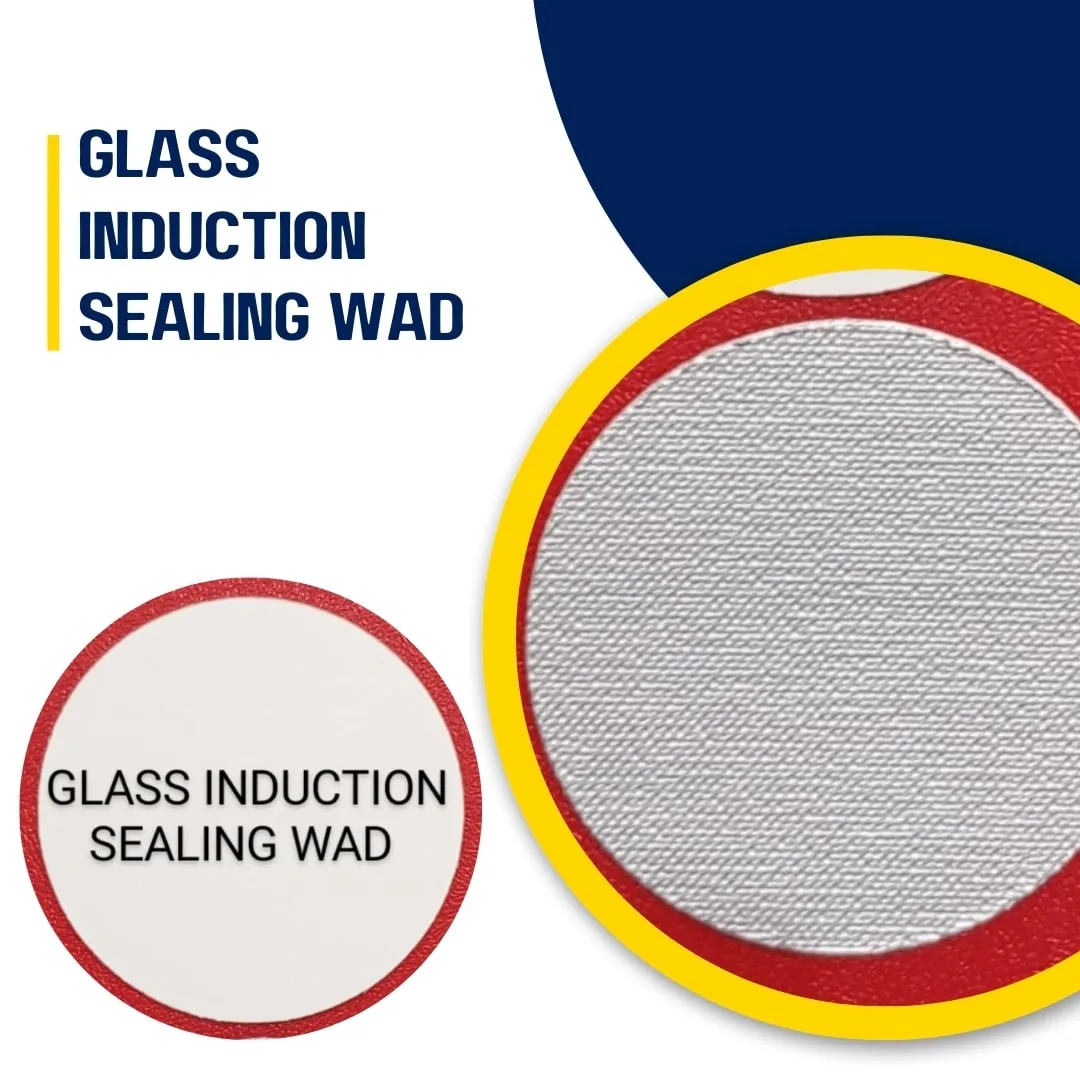
In modern packaging, maintaining product integrity is more important than ever. Whether it’s food, pharmaceuticals, cosmetics, or chemicals, even a small leak or contamination can damage brand reputation and customer trust. This is where an Induction Sealing Wad plays a vital role. It acts as a protective barrier between the product and the external environment.
The use of high-quality Induction Wad and Sealing Wad solutions helps manufacturers maintain hygiene, prevent leakage, and comply with industry standards. Businesses today rely heavily on trusted Induction Wad Suppliers and Sealing Wad Suppliers to ensure consistent performance and reliability. From small-scale packaging units to large industrial operations, the demand for efficient sealing solutions continues to grow.
Key Takeaways
- Induction Sealing Wads provide airtight, leak-proof, and tamper-evident packaging
- Widely used across pharmaceutical, food, cosmetic, and chemical industries
- Helps in extending shelf life and maintaining product quality
- Available in different materials for various container types
- Choosing reliable Induction Wad Suppliers ensures better durability and performance
Technical Explanation of Induction Sealing Wad
Induction sealing is a non-contact process that uses electromagnetic energy to bond a Sealing Wad to the rim of a container. This advanced sealing method is both efficient and reliable, making it a preferred choice in modern packaging industries.
Components and Structure
ComponentFunctionBacking LayerProvides support and pressure inside the capWax LayerMelts during induction and separates layersAluminum Foil LayerConducts heat and forms the primary sealPolymer CoatingBonds with the container opening to create an airtight sealCap ClosureHolds the wad in place during the sealing processWorking Principle
The sealing process begins after the container is filled and capped with a Wad. When it passes through an induction sealing machine, an electromagnetic field is generated. This field heats the aluminum foil layer inside the Induction Wad.
As the temperature rises, the wax layer melts, separating the backing material from the foil. At the same time, the polymer coating softens and bonds tightly with the container’s rim. Once cooled, it forms a hermetic seal that prevents leakage and contamination.
This process is quick, efficient, and does not require direct contact, making it ideal for high-speed production lines.
Step-by-Step Guide to Using Induction Sealing Wad
To achieve a perfect seal, it is essential to follow the correct process while using an Induction Sealing Wad. Below is a step-by-step guide:
1. Select the Right Induction Wad
Choose a suitable Induction Wad based on container material (plastic, glass, or metal) and the nature of the product. Different industries require specific types of Sealing Wad for optimal performance.
2. Insert the Wad into the Cap
Place the Wad properly inside the cap. Ensure the foil side is facing the container opening for effective sealing.
3. Fill and Cap the Container
Fill the container with the product and securely close the cap. Proper torque is important to ensure uniform pressure.
4. Apply Induction Sealing
Pass the sealed container under the induction sealing machine. The electromagnetic field activates the sealing process instantly.
5. Cooling Phase
Allow the container to cool for a few seconds. This helps the polymer layer solidify and create a strong bond.
6. Inspect the Seal
Check the sealed container for any defects such as uneven sealing or leakage. Quality inspection ensures reliability before distribution.
Benefits of Induction Sealing Wad
Using an Induction Sealing Wad offers multiple advantages that make it an essential packaging solution:
1. Leak-Proof Packaging
Prevents spills during transportation and storage, ensuring product safety.
2. Tamper Evidence
Provides visible proof if the product has been opened or tampered with, increasing consumer trust.
3. Extended Shelf Life
Protects the product from moisture, air, and contaminants, preserving freshness for a longer duration.
4. Cost-Effective Solution
Reduces product loss and enhances efficiency, making it a cost-effective packaging option.
5. Versatility
Suitable for a wide range of containers and industries, including pharmaceuticals, food, cosmetics, and chemicals.
Applications of Induction Sealing Wad
The use of Induction Sealing Wad is widespread due to its effectiveness and reliability. Here are some major industries where it is commonly used:
Pharmaceutical Industry
Ensures medicines remain safe, uncontaminated, and compliant with regulatory standards.
Food & Beverage Industry
Maintains freshness, prevents leakage, and protects against external contamination.
Cosmetic Industry
Used in creams, lotions, and oils to avoid spills and preserve quality.
Chemical Industry
Prevents hazardous leaks and ensures safe handling and transportation.
How to Choose the Right Induction Wad Suppliers
Selecting the right Induction Wad Suppliers or Sealing Wad Suppliers is crucial for achieving the best results. Here are some factors to consider:
- Quality Standards: Ensure the supplier provides high-grade materials
- Customization Options: Ability to offer different sizes and specifications
- Industry Experience: Experienced suppliers understand diverse requirements
- Timely Delivery: Reliable supply chain for uninterrupted production
- Technical Support: Assistance in choosing the right Wad for your needs
Working with trusted suppliers ensures consistent quality and long-term reliability.
Common Mistakes to Avoid
While using an Induction Sealing Wad, avoid these common errors:
- Using the wrong type of wad for the container
- Incorrect cap torque leading to weak seals
- Improper machine settings
- Skipping quality checks after sealing
Avoiding these mistakes can significantly improve sealing performance and product safety.
Future Trends in Induction Sealing
The packaging industry continues to evolve, and induction sealing technology is no exception. Some emerging trends include:
- Eco-friendly and recyclable Sealing Wad materials
- Advanced induction machines with automation
- Smart packaging solutions with enhanced security features
These innovations aim to improve efficiency, sustainability, and user experience.
Conclusion
Induction sealing has become a cornerstone of modern packaging, offering unmatched safety, reliability, and efficiency. A high-quality Induction Sealing Wad not only protects products from leakage and contamination but also enhances brand credibility.
By choosing the right Induction Wad and working with reliable Induction Wad Suppliers and Sealing Wad Suppliers, businesses can ensure secure packaging and customer satisfaction. Investing in the right sealing solution is not just a necessity—it’s a strategic advantage in today’s competitive market.
FAQ Section
1. What is an Induction Sealing Wad?
An Induction Sealing Wad is a liner used inside caps to create an airtight seal using electromagnetic induction.
2. Why is an Induction Wad important?
An Induction Wad ensures leak-proof packaging, prevents contamination, and increases product shelf life.
3. Can sealing wads be used for all containers?
Yes, different types of Sealing Wad are available for plastic, glass, and metal containers.
4. How do I choose the right sealing wad supplier?
Select experienced Sealing Wad Suppliers who offer quality products, customization, and reliable delivery.
5. Is induction sealing safe for food and pharmaceuticals?
Yes, induction sealing is widely used in food and pharmaceutical industries as it ensures hygiene and safety.