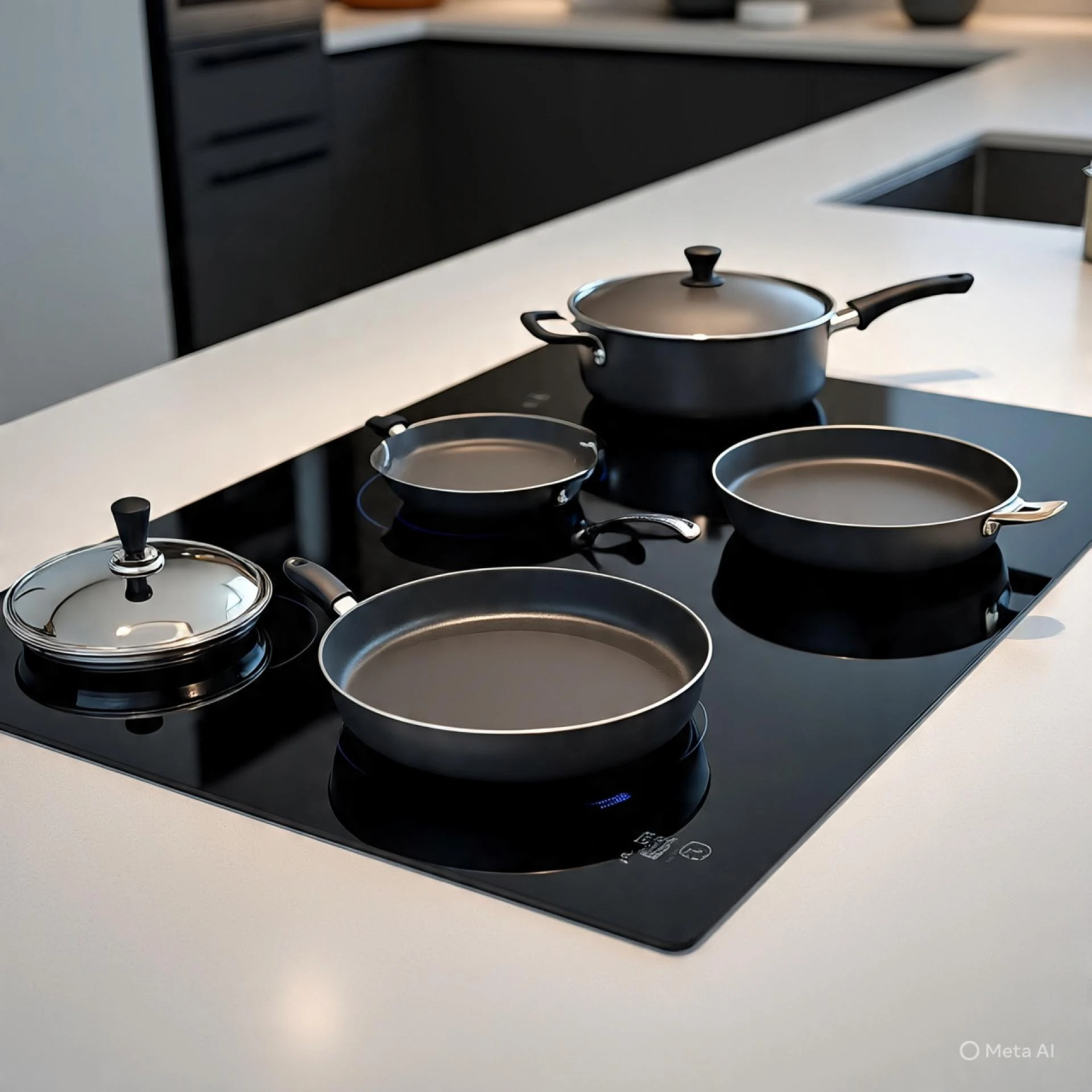
Cooking is a daily activity, and the tools we use make a huge difference in speed, safety, and convenience. One of the most important kitchen tools today is induction cookware. Unlike traditional gas or electric stoves, induction cooktops use electromagnetic energy to heat cookware directly. This method makes cooking faster, more energy-efficient, and safer for the entire family.
Not all cookware works with induction stoves. Only pots and pans with a magnetic base are compatible. Choosing the right induction cookware ensures durability, efficiency, and safety in the kitchen. In this article, we will explain how induction cookware works, the best materials to use, its benefits, how to choose the right set, maintenance tips, and why it is considered future-friendly. By the end, you will understand why induction cookware is a smart investment for modern kitchens.
How Induction Cookware Works Using Magnetic Energy
Induction cookware works differently from traditional cooking methods. Gas stoves use flames, and electric stoves rely on heated coils. Induction cooktops, however, use electromagnetic energy to generate heat directly in the cookware.
When induction-compatible cookware is placed on the stove, a magnetic field is created underneath the pan. This magnetic field excites the metal at the base, producing heat inside the cookware itself. Unlike gas or electric stoves, where heat passes from the stove to the pan, induction heats the cookware directly. This method reduces cooking time and increases energy efficiency, as less heat is lost to the surrounding air.
Safety is a significant advantage. The cooktop remains relatively cool since only the cookware heats up. This reduces the risk of burns or accidental fires. Only cookware with a magnetic base is suitable. Cast iron and magnetic stainless steel are perfect choices, while aluminum, copper, or glass without a magnetic layer will not work. Understanding how induction cookware functions helps you cook faster, safely, and efficiently.
Best Materials To Choose For Induction Cookware
The material of your cookware affects heat distribution, durability, and induction compatibility. Not all materials work with induction stoves. Here are the best options:
- Stainless Steel – Durable, rust-resistant, and easy to clean. Only magnetic stainless steel works on induction cooktops.
- Cast Iron – Naturally magnetic, retains heat well, and is perfect for frying, simmering, or slow cooking. Heavy and requires proper maintenance to prevent rust.
- Enameled Cast Iron – Combines cast iron’s durability with a smooth enamel coating. Easy to clean, stylish, and perfect for induction.
- Carbon Steel – Lighter than cast iron and distributes heat evenly. Ideal for frying pans and woks.
- Aluminum or Copper With Magnetic Base – These metals alone are not induction-compatible. A magnetic stainless steel base allows them to work efficiently.
Always check for the induction symbol or perform a magnet test. If a magnet sticks firmly to the bottom, the cookware is induction-ready. Choosing the right material ensures even heating, durability, and safe kitchen use. Proper material selection improves cooking performance and extends the life of your cookware.
Key Benefits Of Using Induction Cookware Daily
Induction cookware offers many advantages that make cooking faster, safer, and more enjoyable. Some of the main benefits include:
- Faster Cooking Times – Direct heating reduces cooking time considerably.
- Energy Efficiency – Less energy is wasted, saving money and helping the environment.
- Precise Temperature Control – Instant adjustments allow perfect simmering, boiling, or frying.
- Enhanced Safety – Cooktops stay cooler, reducing the risk of burns for children and adults.
- Easy Cleaning – Spills do not stick or burn, making cleaning quick and easy.
- Modern Kitchen Design – Sleek and stylish cookware adds elegance to your kitchen.
These benefits make induction cookware ideal for everyday cooking. It saves time, reduces energy bills, and provides a safe, convenient, and visually appealing kitchen experience. High-quality induction cookware improves efficiency, safety, and enjoyment in the kitchen, making it a valuable investment.
How To Choose The Right Induction Cookware
Selecting the right induction cookware set can be confusing, but these tips make it simple:
- Check Compatibility – Look for induction-ready labels or test with a magnet.
- Include a Variety – A complete set should include frying pans, saucepans, and stockpots in different sizes.
- Choose Durable Materials – Stainless steel, cast iron, or enameled steel are long-lasting and reliable.
- Ensure Sturdy Construction – Thick bases and strong handles prevent warping and accidents.
- Set a Budget – Induction cookware is available in both affordable and premium ranges.
- Trust Reputable Brands – Well-known brands offer warranties and reliable long-term performance.
Choosing the right cookware ensures efficient, safe, and long-lasting performance. It also makes everyday cooking more enjoyable, reducing stress and effort in the kitchen. The right cookware set can meet all your cooking needs, from boiling and frying to slow cooking and sautéing.
Proper Care And Maintenance Tips For Induction Cookware
Maintaining your induction cookware properly ensures it lasts longer and performs at its best. Here are some important tips:
- Clean After Every Use – Use warm water and mild soap; avoid harsh scrubbers.
- Use Wooden or Silicone Utensils – Metal utensils can scratch or damage the surface.
- Avoid Excessive Heat – Induction heats quickly, so high heat is often unnecessary.
- Dry Immediately – Especially for cast iron, to prevent rust.
- Lift Instead of Dragging – Dragging can scratch the cooktop surface.
- Store Carefully – Use protective pads when stacking cookware to avoid scratches.
Following these care practices keeps your cookware safe, efficient, and looking new for years. Proper maintenance ensures consistent cooking results and a smoother, safer kitchen experience.
Why Induction Cookware Is Future-Friendly Kitchen Choice
Induction cookware is considered future-friendly because it combines speed, safety, and energy efficiency. Heating occurs directly in the cookware, reducing cooking time and energy loss. Compared to gas or electric stoves, induction is more eco-friendly and cost-effective.
It is also safer for families since the cooktop remains cool unless cookware is placed on it. Modern cookware is lightweight, durable, and often features non-stick surfaces, making handling and cleaning easier.
As households focus on safety, energy efficiency, and eco-friendly living, induction cookware is becoming the standard in modern kitchens. Its combination of fast cooking, safety, energy efficiency, and stylish design makes it a smart investment. Choosing induction cookware today ensures a safer, faster, and more sustainable kitchen tomorrow.
Conclusion
Induction cookware has transformed modern cooking. It is faster, safer, and more energy-efficient than traditional cookware. By understanding how it works, choosing the right materials, knowing its benefits, and maintaining it properly, induction cookware becomes an essential tool in any kitchen. Investing in high-quality induction cookware ensures efficient, safe, and enjoyable cooking for years. For anyone upgrading their kitchen, induction cookware is a reliable, future-ready choice.
Frequently Asked Questions (FAQs)
Q1: Can normal cookware be used on induction stoves?
No. Only cookware with a magnetic base works on induction cooktops.
Q2: How do I check if cookware is induction-compatible?
Use a magnet. If it sticks firmly to the base, it is induction-ready.
Q3: Is induction cookware expensive?
It is available in both budget-friendly and premium ranges, suitable for all needs.