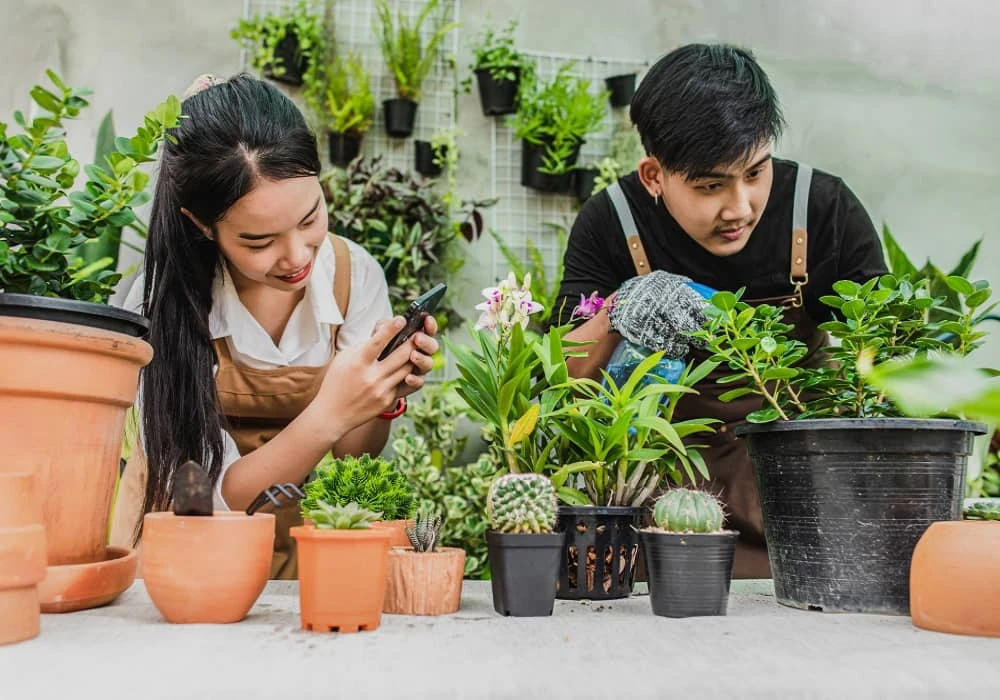
In contemporary homes, indoor plants have grown in importance. Whether you live in a compact apartment or a spacious house, adding greenery inside instantly changes the feel of your space. Indoor plants are not just decorative pieces. They create a calm atmosphere, improve air quality, and make your home feel more lively and welcoming. In today’s busy lifestyle, bringing nature indoors is one of the simplest ways to feel relaxed without making big changes.
Why Indoor Plants Are Important
Indoor plants offer more benefits than most people realise. One of the biggest reasons people prefer indoor plants is their ability to freshen up the air. While they may not completely purify polluted air, they do help create a cleaner and more breathable indoor environment. The presence of greenery also reduces stress levels. After a long day, sitting near plants or even watering them can feel surprisingly peaceful.
Indoor plants also improve focus and productivity. Many people now keep plants in their study areas or home offices because greenery helps reduce mental fatigue. On top of that, plants enhance home decor naturally. A well-placed plant in the corner or near a window adds warmth and beauty that artificial decor often cannot match.
Best Indoor Plants for Beginners
If you are new to gardening, start with low-maintenance options. One of the simplest plants to grow indoors is the snake plant. It requires minimal watering and can survive in low light conditions. Money plant is another popular choice in Indian homes. It grows quickly and can thrive in both water and soil, making it ideal for beginners.
Aloe vera is also a great plant to keep indoors. It is easy to maintain and has useful medicinal properties. Peace lily is suitable for those who want a flowering indoor plant. It grows well in moderate light and adds elegance to the room. Areca palm is perfect if you want a slightly bigger plant that gives a rich and refreshing look to your living space.
How to Take Care of Indoor Plants
Caring for indoor plants does not have to be complicated. Overwatering is the most common error people make. Many indoor plants prefer the soil to dry slightly between watering. Before adding water, always inspect the top layer of soil. If it feels dry to touch, then watering is needed.
Light is another important factor. Most indoor plants prefer bright but indirect sunlight. Placing them near a window where sunlight enters gently works well. At the same time, avoid placing them under harsh direct sunlight, as it can damage the leaves.
Choosing the right pot and soil also makes a difference. Use pots with drainage holes at all times to avoid water pooling at the bottom. Well-draining soil helps keep roots healthy. Cleaning the leaves occasionally with a damp cloth helps remove dust and allows the plant to absorb light properly.
Decorating Ideas with Indoor Plants
Indoor plants can be used creatively in every corner of the home. In the living room, taller plants like areca palm or fiddle leaf fig can be placed near sofas or in empty corners. Smaller plants like succulents or peace lilies look beautiful on coffee tables and shelves. In bedrooms, snake plants are a popular choice because they are low maintenance and fit well on bedside tables.
You can also use hanging planters for balconies and windows. Wall-mounted pots and plant stands are great options for small homes where space is limited. Creating a small group of plants together can give your home a mini indoor garden look without much effort.
Common Mistakes to Avoid
Many people feel indoor plants are difficult to manage, but most problems come from simple mistakes. Overwatering is the most common issue. Keeping plants in completely dark areas is another mistake that affects their growth. Ignoring pests or dried leaves can also harm the plant over time. Paying small attention regularly keeps your indoor plants healthy and growing.
Conclusion
Indoor plants are a simple yet powerful way to improve your home environment. They add natural beauty, create a calming atmosphere, and bring a refreshing feel to any room. You do not need expert knowledge to start. Begin with easy-to-maintain plants, understand their basic needs, and slowly build your collection. With a little care and attention, indoor plants can transform your house into a peaceful and lively space.
FAQs
1. Which indoor plants require the least maintenance
Snake plant, money plant, and aloe vera are among the easiest indoor plants to maintain because they need less water and grow well indoors.
2. How often should I water indoor plants
Watering depends on the type of plant, but generally you should water only when the top layer of soil feels dry.
3. Do indoor plants need direct sunlight
Most indoor plants prefer indirect sunlight. Direct harsh sunlight can damage the leaves of many varieties.
4. Can indoor plants grow in air-conditioned rooms
Yes, many indoor plants can grow in air-conditioned rooms as long as they receive proper light and occasional ventilation.
5. Are indoor plants good for health
Indoor plants help create a fresh and calming environment, which can reduce stress and improve overall well-being.