
Introduction
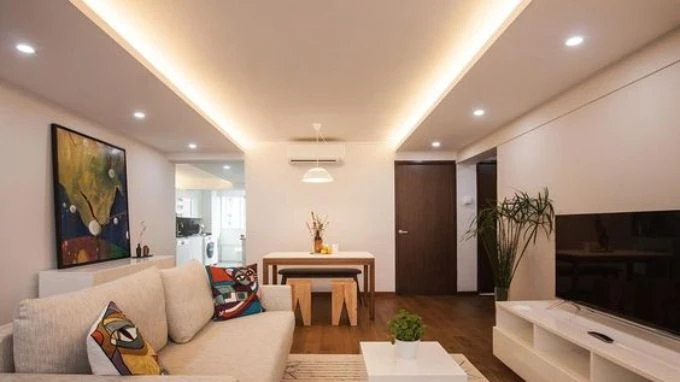
Indoor lighting isn’t just about visibility—it shapes how your space feels, functions, and looks. Good lighting can make a small room feel bigger, a dull room feel premium, and a well-designed home feel complete.
Bad lighting? It ruins everything—no matter how expensive your interiors are.
What is Indoor Lighting?
Indoor lighting refers to artificial lighting used inside homes, offices, and commercial spaces to provide illumination and enhance aesthetics.
It combines:
- Function (visibility)
- Comfort (eye-friendly lighting)
- Design (visual appeal)
Types of Indoor Lighting
1. Ambient Lighting (General Lighting)
Examples:
- Ceiling lights
- LED panels
- Cove lighting
👉 This is your foundation—get this wrong and nothing works.
2. Task Lighting (Focused Lighting)
Examples:
- Desk lamps
- Under-cabinet lights
- Vanity lighting
👉 Most people either overdo it (glare) or underdo it (eye strain).
3. Accent Lighting (Decorative Lighting)
Examples:
- Spotlights
- LED strips
- Wall washers
👉 This is what makes your home look “designed.”
How to Choose the Right Indoor Lighting
1. Understand Room Function
- Living room → layered lighting
- Kitchen → bright + task lighting
- Bedroom → warm + soft lighting
2. Choose the Right Color Temperature
- Warm (2700K–3000K): Cozy
- Neutral (3500K–4000K): Balanced
- Cool (5000K+): Productive
👉 Mixing wrong tones = uncomfortable space.
3. Use Layered Lighting
Never rely on a single light source.
Combine:
- Ambient
- Task
- Accent
👉 This is where most people fail.
Indoor Lighting for Different Rooms
Living Room
- Ceiling lighting
- Floor lamps
- Accent lighting
👉 Goal: Comfort + aesthetics
Bedroom
- Warm ambient lighting
- Bedside lamps
- Soft accent lights
👉 Goal: Relaxation
Kitchen
- Bright ambient lighting
- Strong task lighting
- Pendant lights
👉 Goal: Functionality
Modern Indoor Lighting Trends
1. LED Strip Lighting
Used for ceilings, furniture, and hidden lighting effects.
2. Smart Lighting
Control lights via apps or voice assistants.
3. Minimalist Fixtures
Clean, sleek designs dominate modern homes.
4. Statement Lighting
Common Indoor Lighting Mistakes
Let’s be real:
- ❌ One light per room
- ❌ Ignoring layering
- ❌ Using harsh white light everywhere
- ❌ Poor placement causing shadows
- ❌ Choosing cheap fixtures
👉 Most homes don’t have a design problem—they have a lighting problem.
Benefits of Good Indoor Lighting
- Improves mood and comfort
- Enhances interior design
- Increases productivity
- Saves energy (LED lighting)
- Adds value to your property
Conclusion
Indoor lighting is one of the most powerful elements in any space. Done right, it transforms everything—from aesthetics to functionality.
If you’re still treating lighting as an afterthought, you’re limiting your entire interior.