
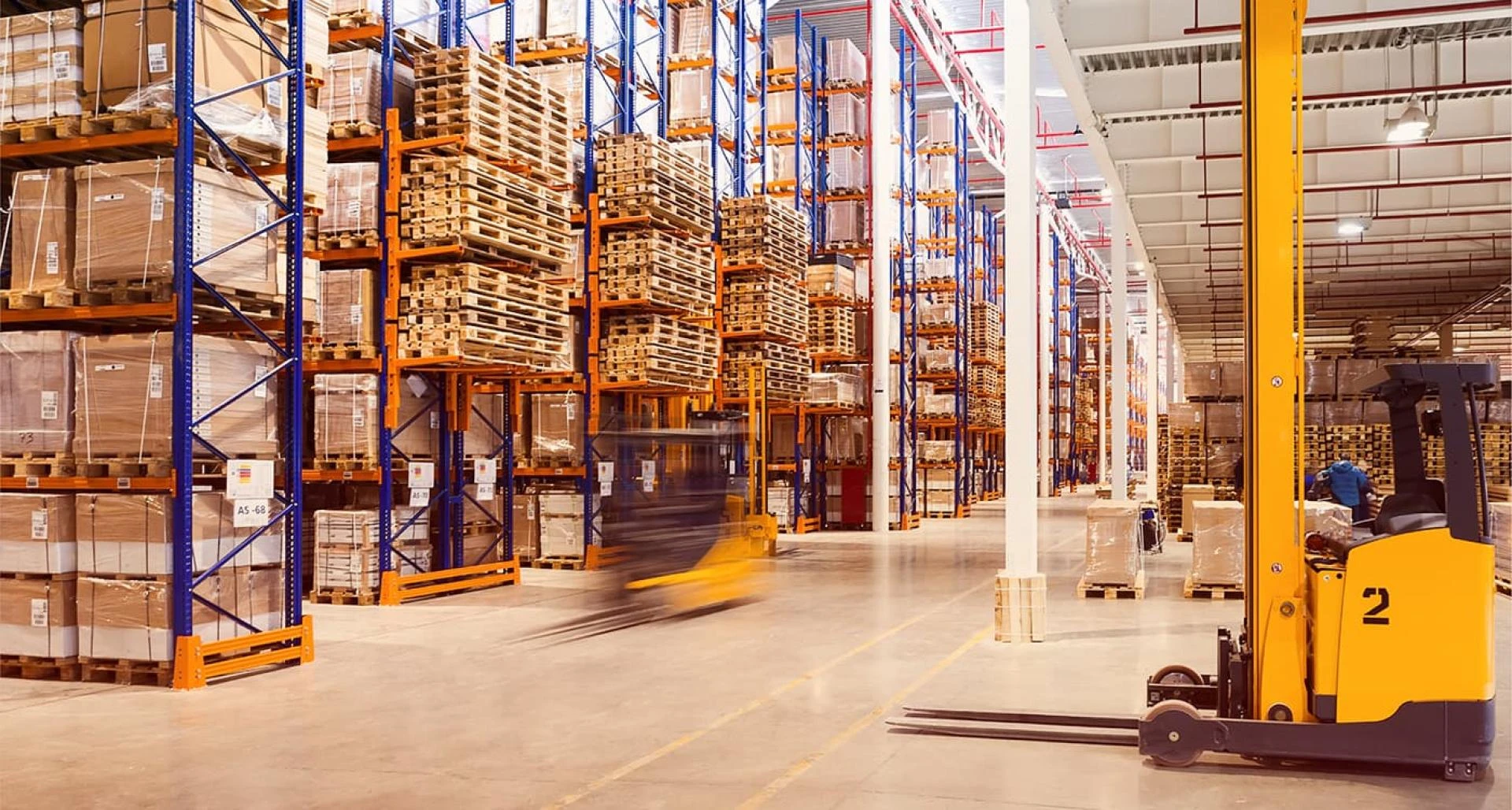
When your teams spend hours searching equipment instead of getting work done, it’s time for an indoor asset tracking solution that simply works. In this post, we’ll explore the challenges of tracking assets in complex buildings, compare the major asset tracking solutions at a glance, and share real-world success stories that show why many organizations choose RFID as their go-to strategy.
The Hidden Cost of “Where Is It?”
Imagine a busy hospital emergency room, urgently needing an extra IV pump, or a manufacturing floor stalled because a critical tool can’t be found. Across industries—healthcare, labs, IT, warehousing—misplaced assets don’t just waste time; they can jeopardize safety, compliance, and customer satisfaction. Traditional asset tracking methods like spreadsheets, barcode scans, or manual searches all fall short when you need real-time visibility in a building full of walls, metal racks, and machinery.
Asset Tracking Technologies: A High-Level Comparison
Below is a quick look at some of the methods to track assets indoors. Each method has its place—your choice depends on your priorities around cost, ease of use, and how “live” you need your location data to be.
Methods:
1. Barcode/QR
Best for: Occasional audits
Pros: Very low tag cost; simple to implement
Cons: Manual scan only; no continuous updates
2. Bluetooth Beacons
Best for: Basic proximity sensing
Pros: Affordable beacons; smartphone compatibility
Cons: Meter-level accuracy; battery upkeep
3. Wi-Fi Tracking
Best for: Quick pilot on existing network
Pros: Uses current infrastructure; moderate effort
Cons: Accuracy varies; needs calibration
4. Infrared (IR)
Best for: Room-level precision
Pros: Reliable “in-sight” location
Cons: Requires clear line-of-sight and new infra
5. RFID
Best for: Real-time visibility at scale
Pros: No line-of-sight; bulk reads; low upkeep
Cons: RFID system cost; tag choice matters
Why RFID Often Comes Out on Top
Many enterprises find that, for day-to-day operations, RFID strikes the best balance of reliability, cost, and ease of maintenance:
- No Line-of-Sight Needed
- RFID readers “see” tags through boxes, around corners, and even through non-metallic containers. So, you don’t have to manually orient labels or badges.
- Bulk Scanning
- Whether mounted at a doorway or on a forklift, RFID readers can capture dozens of tagged items in one sweep, slashing the time it takes to audit an entire room or pallet.
- Low-Cost, Low-Maintenance Tags
- Passive RFID tags cost just cents each and never need a power source, making them ideal for tagging thousands of assets. (There are pricier options for true real-time location, but most needs are met with passive tags at fixed “choke points.”)
- Flexibility & Scalability
- Tags come in labels, straps, or rugged cases. So, you can stick them on lab samples, tie them to tool kits, or snap them onto medical carts. As your asset pool grows, adding more tags is as simple as ordering a new batch.
5 Real-World Success Stories
1. Clinical Labs: Zeroing In on Specimens
A research lab tagged sample racks with RFID and installed readers at each storage room door. Suddenly, technicians knew exactly when racks moved in or out, eliminating frantic searches, ensuring regulatory compliance, and cutting sample-locating time by over 90%.
2. Data Centers: Rapid Hardware Audits
What once took days of barcode scanning now wraps up in hours. Servers fixed with active RFID badges, combined with handheld readers, feed into an asset tracking system dashboard—automatically logging hardware location and triggering alerts if the asset leaves a secure zone.
3. Manufacturing Floors: Lean Material Flow
By tagging tool kits and placing readers at each workstation, one factory stopped losing dies and cutters between shifts. Production uptime climbed significantly, and shift handoffs became smooth, predictable events rather than frantic hunts.
4. Warehousing: High-Speed Cycle Counts
In a half-million-square-foot distribution center, forklifts equipped with RFID readers scan entire pallet loads as they roll by. What used to require crews walking every aisle now happens on the move—achieving near-perfect inventory accuracy in a fraction of the time.
5. Hospitals: Faster Equipment Retrieval
Nurses can’t wait on critical care. RFID tags on wheelchairs, IV pumps, and crash carts—paired with readers mounted in ceilings in main corridors—power a mobile app that shows the nearest available item. Emergency response times dropped by 20%, and staff satisfaction rose as “lost equipment” became a thing of the past.
Picking the Right Path for Your Facility
While RFID shines in many scenarios, every organization has its own mix of needs:
- Tight Budget & Infrequent Audits? Start with barcodes or QR codes for simple, low-cost tracking.
- Existing Wi-Fi, No RF Expertise? Try a Wi-Fi fingerprinting pilot—just be ready for meter-level accuracy.
- Need Room-Level Precision with Minimal Change? Infrared can deliver, if you can install ceiling sensors and tolerances for line-of-sight.
- Looking for Scalable, Low-Maintenance Real-Time Visibility? RFID tags at strategic choke points often provide the ideal coverage.
Getting Started & Next Steps
- Define Your Goals: Speed of locating assets? Audit accuracy? Compliance reporting?
- Map Your Space: Identify key “choke points”—doorways, workstations, storerooms—where readers will catch every pass.
- Pilot Smart: Tag a single asset group (e.g., tool carts or sample racks) and monitor gains in time saved and error reduction.
- Expand with Confidence: Roll out to additional departments, mixing in BLE, Wi-Fi, or barcodes for niche use cases.
Conclusion:
Indoor asset tracking isn’t about chasing the latest gadget; it’s about choosing the right tool to give your teams instant visibility, save time, and reduce costs. For many enterprises, RFID delivers that clarity—automatically reading tagged assets at scale, through obstacles, with minimal upkeep. Pair it with strategic pilots and you’ll turn every “Where is it?” into “Right here.”