
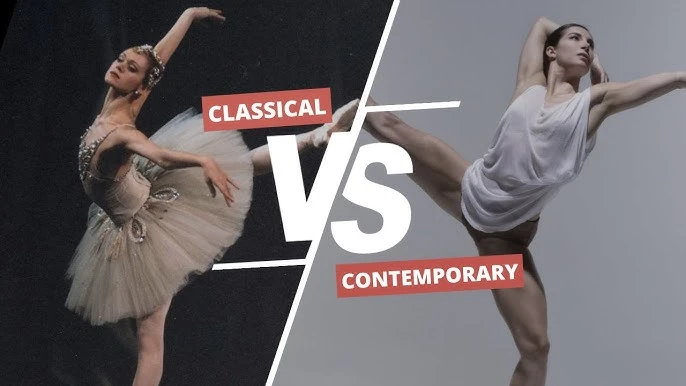
At Saanwee, where the beauty of traditional art forms is celebrated, we often explore the rich heritage of Indian classical dance alongside other global dance styles such as ballet. Both Indian classical dance and ballet are highly refined, expressive, and disciplined art forms, yet they originate from vastly different cultural contexts and have unique characteristics. Understanding their differences and similarities offers a fascinating insight into how dance can narrate stories, convey emotions, and preserve cultural identity.
Origins and Cultural Context
Indian classical dance forms such as Bharatanatyam, Kathak, Odissi, and Kathakali have roots deeply embedded in ancient Indian temples, mythology, and spiritual practices. These dances are often devotional, telling stories from Hindu epics like the Ramayana and Mahabharata, and are integral to religious ceremonies.
In contrast, ballet emerged in the royal courts of Renaissance Europe, evolving into a theatrical art form known for its grace, technique, and storytelling through abstract or narrative performances. Ballet is strongly associated with Western classical music and aesthetics, emphasizing symmetry, line, and fluid movement.
Techniques and Movements
Indian classical dance is characterized by intricate hand gestures (mudras), facial expressions (abhinaya), rhythmic footwork, and a strong emphasis on storytelling through mime and symbolic movements. Dancers maintain a grounded posture, often bending their knees and using complex body isolations.
Ballet dancers, on the other hand, focus on verticality, with movements that emphasize lightness, elevation, and turnout of the feet. Ballet technique demands rigorous training in positions such as pliés, arabesques, pirouettes, and leaps, aiming for an ethereal, floating quality.
Music and Costumes
Indian classical dance performances are accompanied by live classical music, typically involving instruments like the tabla, mridangam, veena, and flute. Costumes are vibrant and elaborate, featuring traditional silk fabrics, jewelry, and sometimes facial makeup to enhance expressions.
Ballet performances usually use orchestral classical music composed specifically for the ballet. Costumes range from tutus and pointe shoes to elaborate period attire, depending on the ballet’s theme, designed to enhance the fluidity and lines of the dancer.
Storytelling and Expression
Both dance forms excel in storytelling but approach it differently. Indian classical dance employs detailed facial expressions and symbolic gestures to convey complex emotions and narratives, often rooted in mythology and spirituality.
Ballet tells stories through choreography and dramatic movement without relying heavily on facial expressions. It often uses pantomime and abstract sequences to evoke emotions and themes, appealing to a broad audience through universal motifs.
Similarities
Despite their differences, Indian classical dance and ballet share important similarities. Both require years of dedicated training, a strong command of body control, and deep emotional expression. They are performance arts that fuse music, movement, and storytelling to connect with audiences on a profound level. Both styles celebrate discipline, creativity, and the beauty of human movement.
At Saanwee, we honor these rich traditions and encourage appreciation for diverse dance forms that continue to inspire and unite people worldwide. Whether through the spiritual rhythms of Indian classical dance or the elegant poise of ballet, dance remains a timeless language that transcends borders and cultures.