As climate patterns shift dramatically, India’s farmers are standing at a crucial crossroads. With erratic monsoons, rising temperatures, and unpredictable seasons threatening crop yields, the need for climate-resilient farming has never been more urgent. But amidst this challenge lies innovation—driven by protected cultivation structures, biotech advancements, and the rising popularity of superfruits like strawberries and raspberries.
This new wave of farming is more than a solution—it’s a revolution, reshaping how we grow, protect, and profit from agriculture in India.
Protected Cultivation: The Smart Shield Against Climate Uncertainty
Gone are the days when farming was at the mercy of nature. Enter polyhouse manufacturer innovations—structures designed to provide a controlled environment for crops regardless of external weather conditions.
Polyhouses are not just plastic-covered shelters; they are intelligent systems that regulate temperature, humidity, ventilation, and even light exposure. From vegetables to floriculture and fruit crops, polyhouses now allow year-round production, enhanced yields, and better quality control.
More importantly, they reduce the need for chemical intervention, saving both the soil and the health of consumers.
This has opened up opportunities for small and marginal farmers who can now cultivate high-value crops in small areas and fetch premium market prices—even during off-seasons.
The Rise of Agri-Biotechnology in India
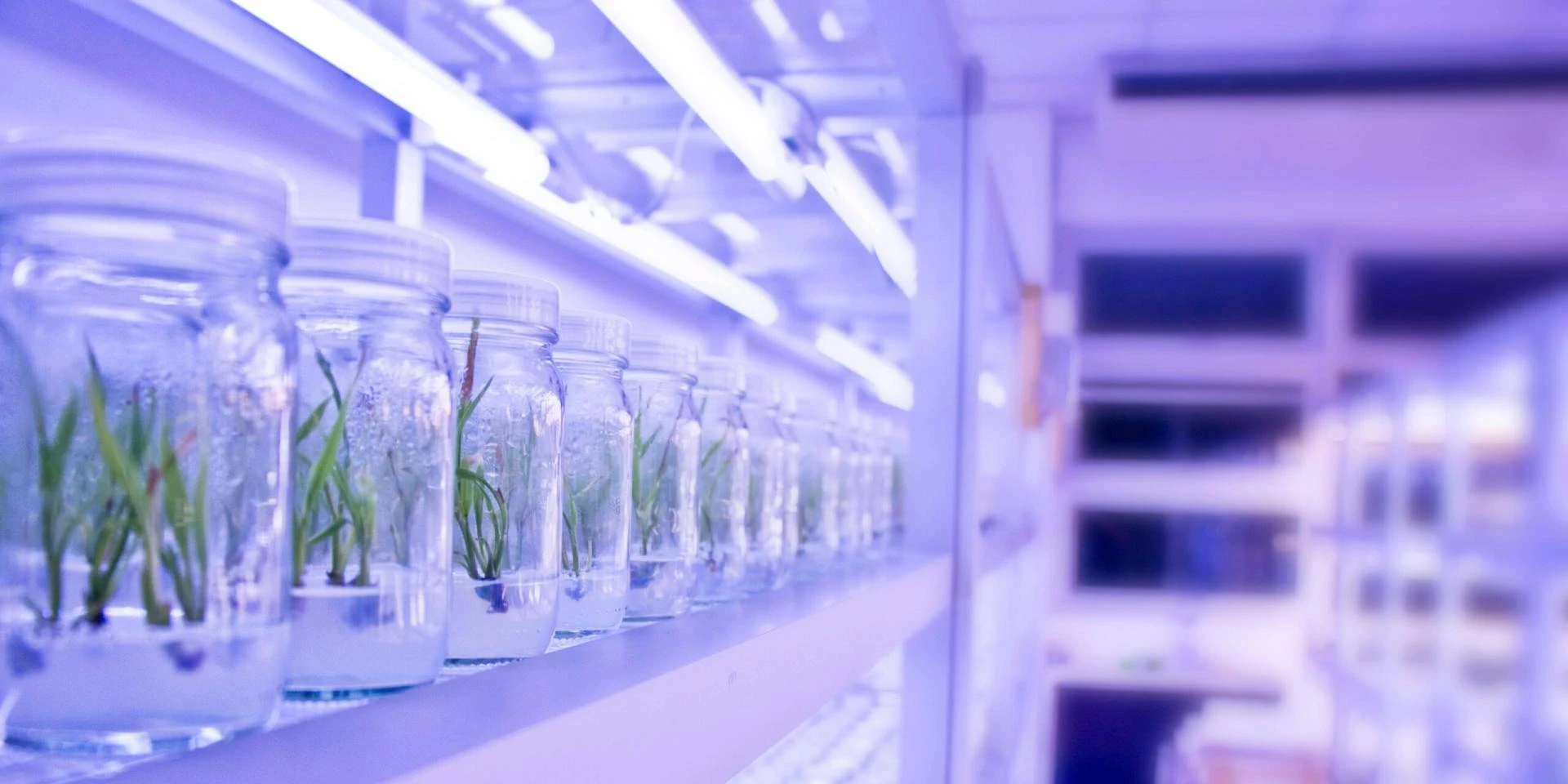
As the nation’s food demand continues to grow, biotech companies in agriculture India are playing a crucial role in developing resilient, disease-free, and high-yielding plant varieties.
Plant tissue culture—once a niche technology—is now revolutionizing crop propagation. It enables the mass production of genetically identical, disease-free plantlets, ensuring uniform growth and better survival rates.
In regions prone to pest outbreaks or erratic rainfall, such biotech interventions can be the line between crop failure and bumper harvest.
Beyond this, biotech-driven farming ensures traceability, quality assurance, and consistent income for farmers—key pillars in creating a sustainable agricultural ecosystem.
From Exotic to Everyday: India’s Love Affair with Berries
While traditional crops remain vital, a shift is taking place on Indian farms—one that’s sweet, colorful, and full of potential. Superfruits like strawberries and raspberries are making their way from niche gourmet stores to mainstream agricultural plots.
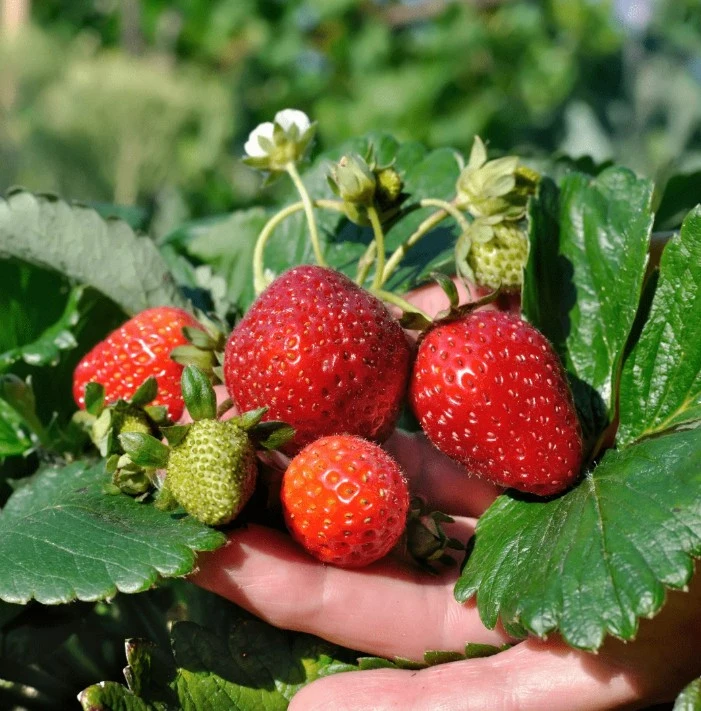
Once limited to hill stations and cooler regions, strawberries are now being grown successfully in polyhouses across the plains—thanks to innovative farming methods and climate-controlled environments.
Farmers and nurseries offering to order strawberry plants online have made it easier than ever for individuals and agripreneurs to venture into this lucrative segment.
The reason? Strawberries yield quick returns, enjoy high market demand, and allow multiple harvests within a season.
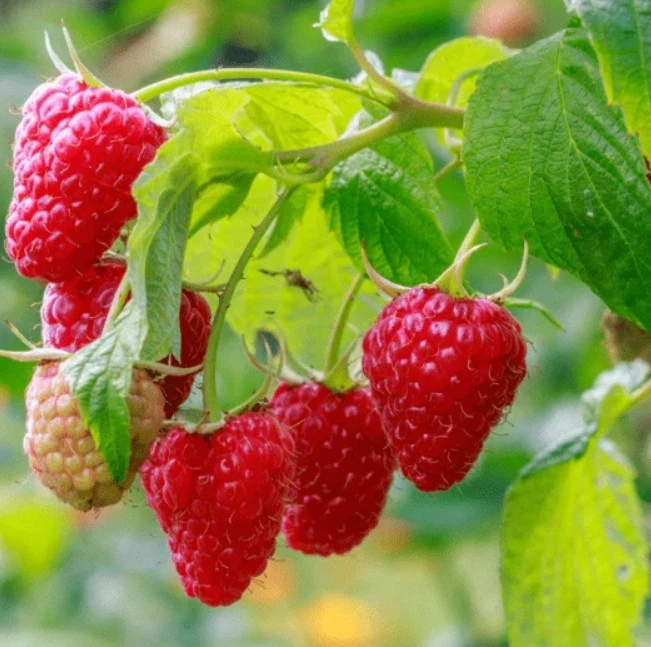
Similarly, raspberry plants in India are gaining traction. These antioxidant-rich berries, known for their medicinal and dietary benefits, are being increasingly embraced by health-conscious consumers and organic markets.
They require specific soil and climatic conditions—conditions that can now be replicated in controlled environments like polyhouses or net houses.
Digital Platforms Fueling the Green Shift
The agricultural marketplace is undergoing a digital transformation. Farmers today don’t need to travel miles to get high-quality planting material. They can now order strawberry plants online or buy raspberry plants in India from certified sources, ensuring timely delivery and healthy crops.
This digital accessibility empowers farmers to plan their seasons, reduce delays, and start earning faster—especially in perishable crops like berries.
For the consumer, it ensures that the fruits they eat come from clean, traceable, and sustainable sources—a win-win for the entire supply chain.
The Economics of Growing Smart
With rising input costs and fluctuating market prices, profit margins in traditional farming are tightening. But those who embrace innovation are not just surviving—they’re thriving.
Polyhouse farming, combined with tissue culture plantlets and high-value fruit crops, offers an economic model that works. For instance, a small polyhouse of 500 square meters can yield strawberry crops worth several lakhs in one season.
Pair that with savings on pesticides, fertilizers, and water (thanks to drip irrigation and smart monitoring systems), and the return on investment becomes more than attractive—it becomes sustainable.
Sustainability as the Core of New Agriculture
Modern farming is no longer about quantity alone—it’s about quality, sustainability, and climate responsibility. And this is where innovation steps in:
- Polyhouses reduce water use by up to 50% and minimize soil degradation.
- Biotech companies in agriculture India are offering crops that require fewer resources and resist diseases.
- The ability to order strawberry plants online or source raspberry plants in India from reliable nurseries has eliminated the risk of substandard planting material.
Together, these trends are shaping a resilient farming system—one that is prepared to face climate challenges head-on while ensuring food security, income stability, and ecological balance.
Farming is the Future—And the Future is Here
India’s farmers have always been at the heart of the nation’s economy. Today, with the support of innovation, protected cultivation, and advanced plant science, they are reclaiming their power—not just as growers but as entrepreneurs, environmentalists, and change-makers.
One such example of innovation-led contribution comes from Sheel Biotech, a leader in protected farming solutions and plant biotechnology, enabling thousands of Indian farmers to shift toward high-income, climate-smart agriculture.
As we move into an era where food systems are under increasing strain, the solutions lie not in doing more of the same—but in doing it smarter, cleaner, and greener.
Conclusion: A New Agricultural Era Has Begun
Whether it’s building a polyhouse to protect against heat waves, choosing biotech companies in agriculture India for clean planting materials, or opting to order strawberry plants online and experiment with raspberry plants in India—farmers are not just adapting; they’re leading the change.
India’s agricultural renaissance has begun—and it’s rooted in sustainability, technology, and empowerment.