
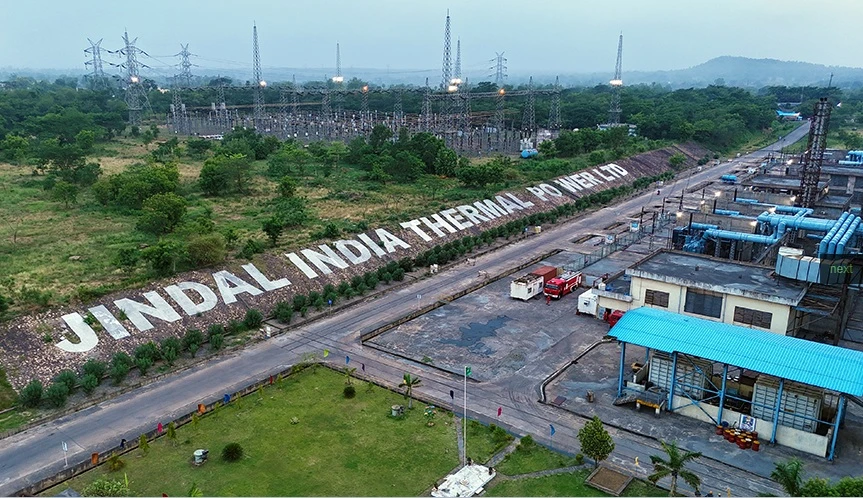
Coal has been a fundamental part of India’s power generation for a long time. When we think of a power plant in India, we often envision those tall chimneys puffing smoke into the air, trains loaded with coal arriving day in and day out, and huge turbines buzzing with energy. Even now, coal-fired power plants provide over half of the country’s electricity. With rapid urban growth, expanding industries, and the rising energy demands of a large population, it’s clear why coal continues to play such a vital role in our energy landscape.
However, things are shifting. With increasing environmental concerns, global climate initiatives, and a strong push for cleaner energy sources, India’s coal-based thermal power sector is facing intense scrutiny. Major players like the Jindal India Power Plant are working hard to find a balance between meeting energy demands and adopting sustainable practices. Yet, there are plenty of hurdles to overcome, and the path forward is anything but straightforward. So, where do India’s coal power plants stand today? And what does the future hold for them?
Why Coal is Still a Big Deal in India
India sits on a massive reserve of coal, the fifth-largest in the world. It’s relatively cheap, locally available, and doesn’t depend on international markets as much as oil or gas. That makes coal an attractive option for a country still working towards 24/7 electricity access in every corner.
Coal-based thermal power plants are known for their reliability and consistency. Unlike solar or wind, which depend on weather, coal can provide continuous base-load power, crucial for industries, hospitals, metros, and more. Big names like the Jindal India Power Plant play a significant role in ensuring this round-the-clock power supply to millions.
The Challenges on the Horizon
While coal has its benefits, the list of challenges is growing louder and longer. Let’s look at the key ones:
Environmental Impact
Burning coal is a major player in air pollution and greenhouse gas emissions. Thermal power plants pump out significant amounts of carbon dioxide, sulfur dioxide, nitrogen oxides, and particulate matter—all of which are detrimental to both the environment and public health.
Water Consumption
Coal power plants are notorious for their thirst. They require vast quantities of water for cooling and steam production. In regions where water is already scarce, this becomes a serious concern, often leading to conflicts between industries and local communities.
Old and Inefficient Plants
A lot of coal-based power plants in India are stuck in the past, operating with low efficiency and generating more pollution for every unit of electricity they produce. While some have seen upgrades, many still rely on outdated technologies.
Coal Supply and Quality Issues
Even though we have coal, getting it to distant power plants is a logistical headache. Plus, the quality of Indian coal tends to be low in energy content and high in ash, which means more coal has to be burned to achieve the same output, further contributing to pollution.
Global Pressure and Policy Shifts
India has pledged to cut down its carbon footprint and boost renewable energy capacity. This leaves less room for expanding coal-based power in the long run. Additionally, the international community is pushing developing nations to move away from fossil fuels, adding even more pressure.
What’s Being Done About It?
To be fair, the industry isn’t standing still. Many players are actively trying to find solutions:
Upgrading Technology
Plants like Jindal India Power Plant are investing in cleaner technologies that ensure no effluents or spent resources are released into the environment.
Flue Gas Desulfurization (FGD)
This tech helps reduce sulfur dioxide emissions. While expensive, it’s being gradually adopted in several large power plants in India.
Ash Utilisation
Efforts are being made to use fly ash in cement production, bricks, and road construction, reducing waste and improving efficiency.
Hybrid Power Models
Some coal-based plants are exploring a hybrid model where solar or wind power is blended into their systems to offset coal use and emissions.
What Lies Ahead?
The future of coal power plants in India isn’t about shutting them down overnight. That’s neither practical nor fair, especially for a developing country with rising energy needs. Instead, the focus is shifting to making existing plants cleaner, more efficient, and more responsible.
In the long run, we can expect a gradual decline in the share of coal in the energy mix as renewables become cheaper and more reliable. But for now, coal remains a necessary bridge, helping India transition towards a greener future without switching off the lights.
Power plants in India, especially the big names like Jindal India Power Plant, will play a vital role in leading this transition. With smart planning, responsible innovation, and strong policy support, we might just manage to strike the right balance between energy security and sustainability.
The Bottom Line
India’s coal-based thermal power sector is at a crossroads. It has powered our homes and industries for decades, but now it must evolve. The challenges are real, from pollution and outdated infrastructure to shifting global expectations. But so are the opportunities. By embracing cleaner technologies and gradually integrating renewable sources, coal-based power plants in India can continue to contribute to our energy landscape, just in a smarter and more sustainable way.